
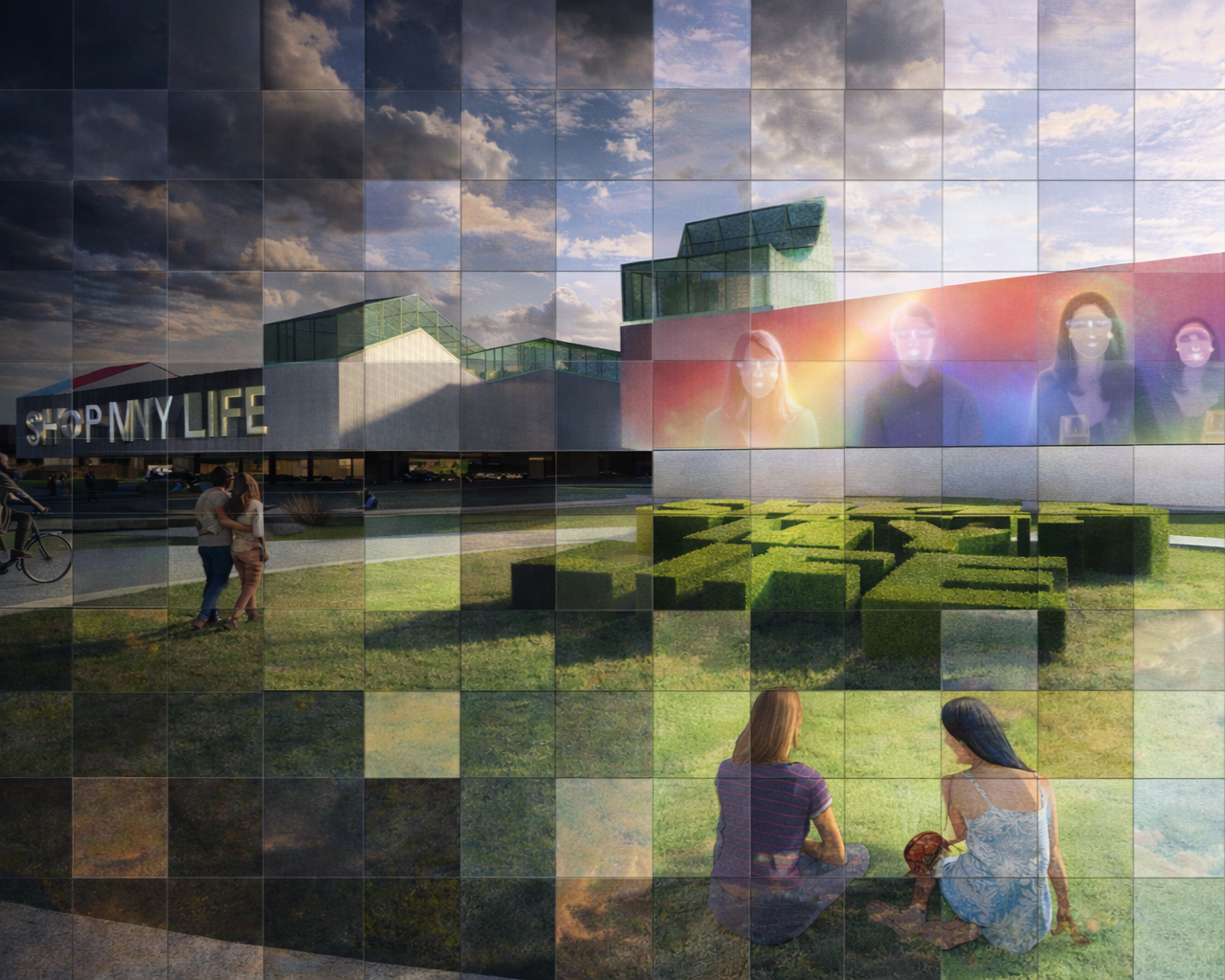
Shop My Life
Harvard GSD Thesis / Thesis Advisors: Scott Cohen & Preston Scott Cohen
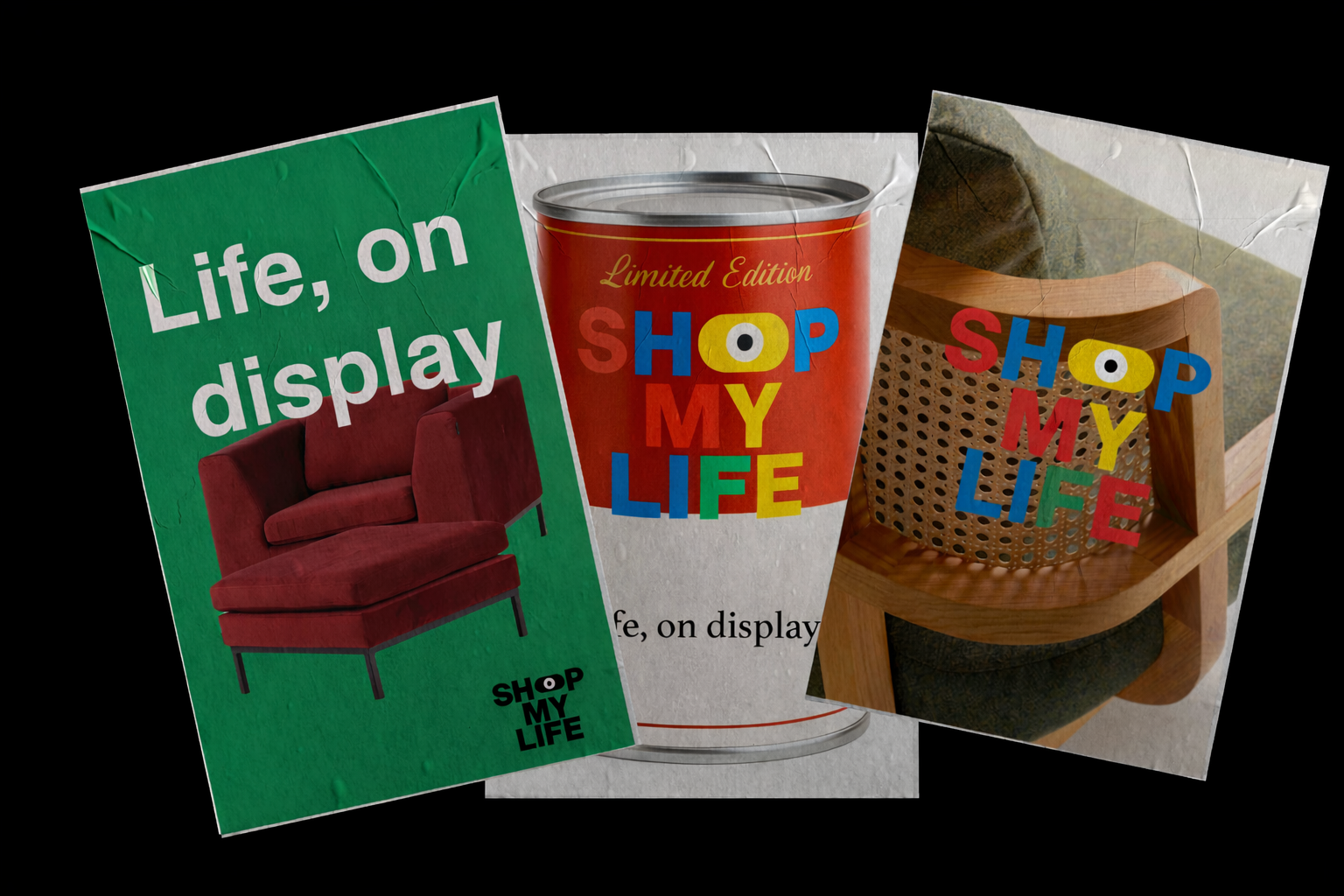
"Shop My Life" ...life in living color. Within the project, entertainment, food, clothing, furniture, material finishes, and appliances are all shoppable


Commercial advertising the artist residency model in which voyeurism is designed, timed, and compensated
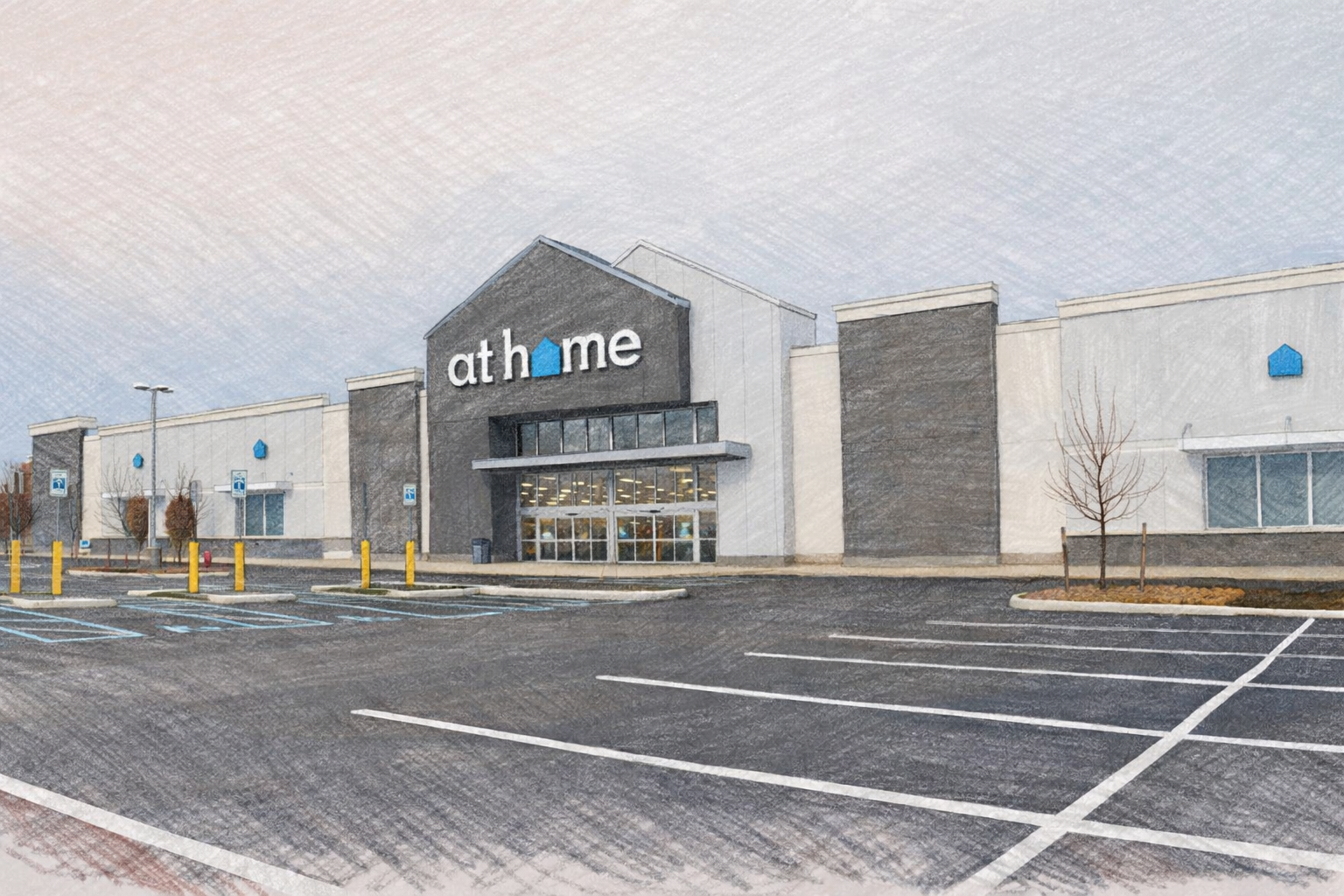
The existing site for my adaptive reuse intervention. The "At Home" store in Columbus, Ohio
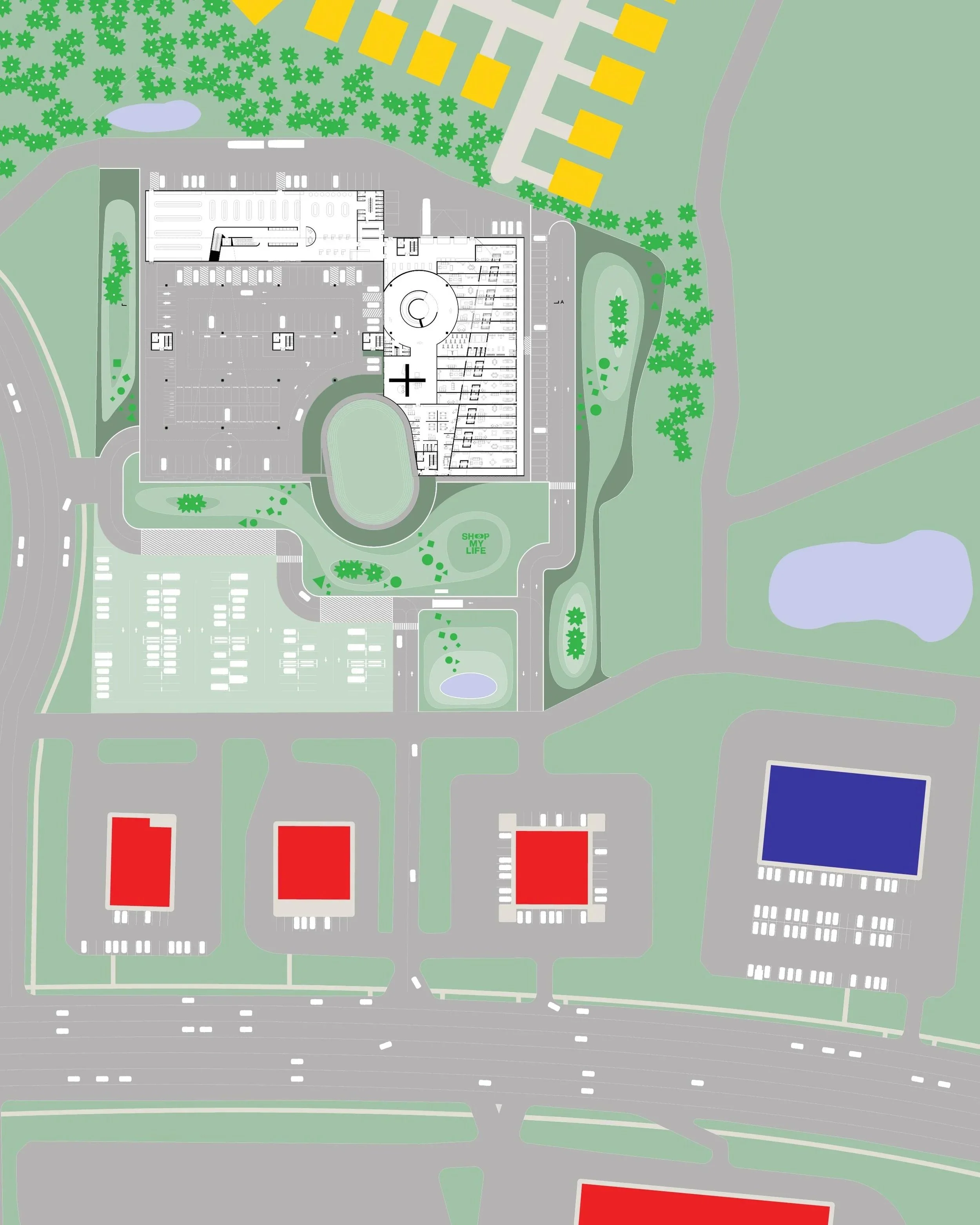
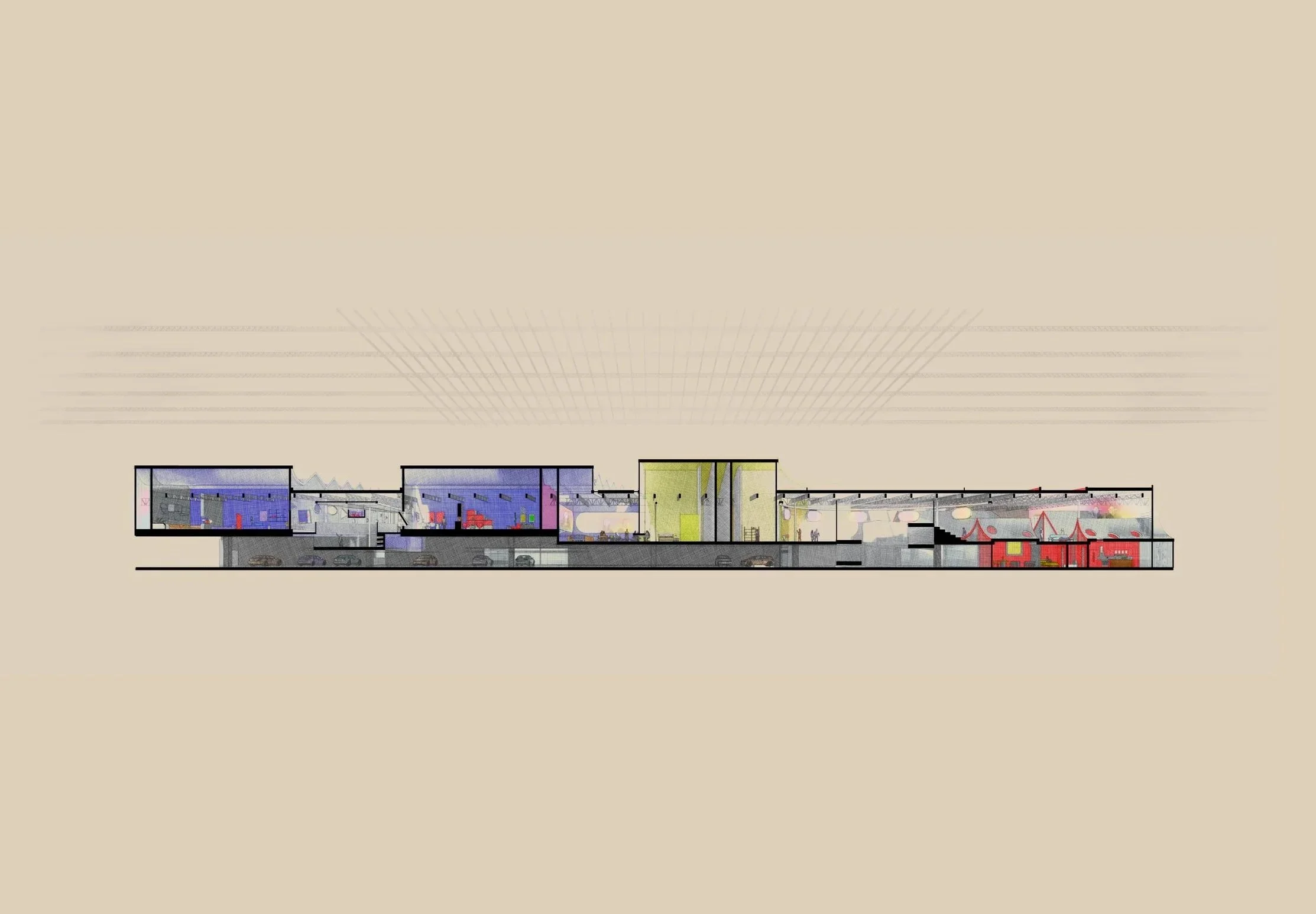
I studied the typology of the bix box store and appreciated its ability to sit between (red) retail (yellow) and (red) residential (yellow).
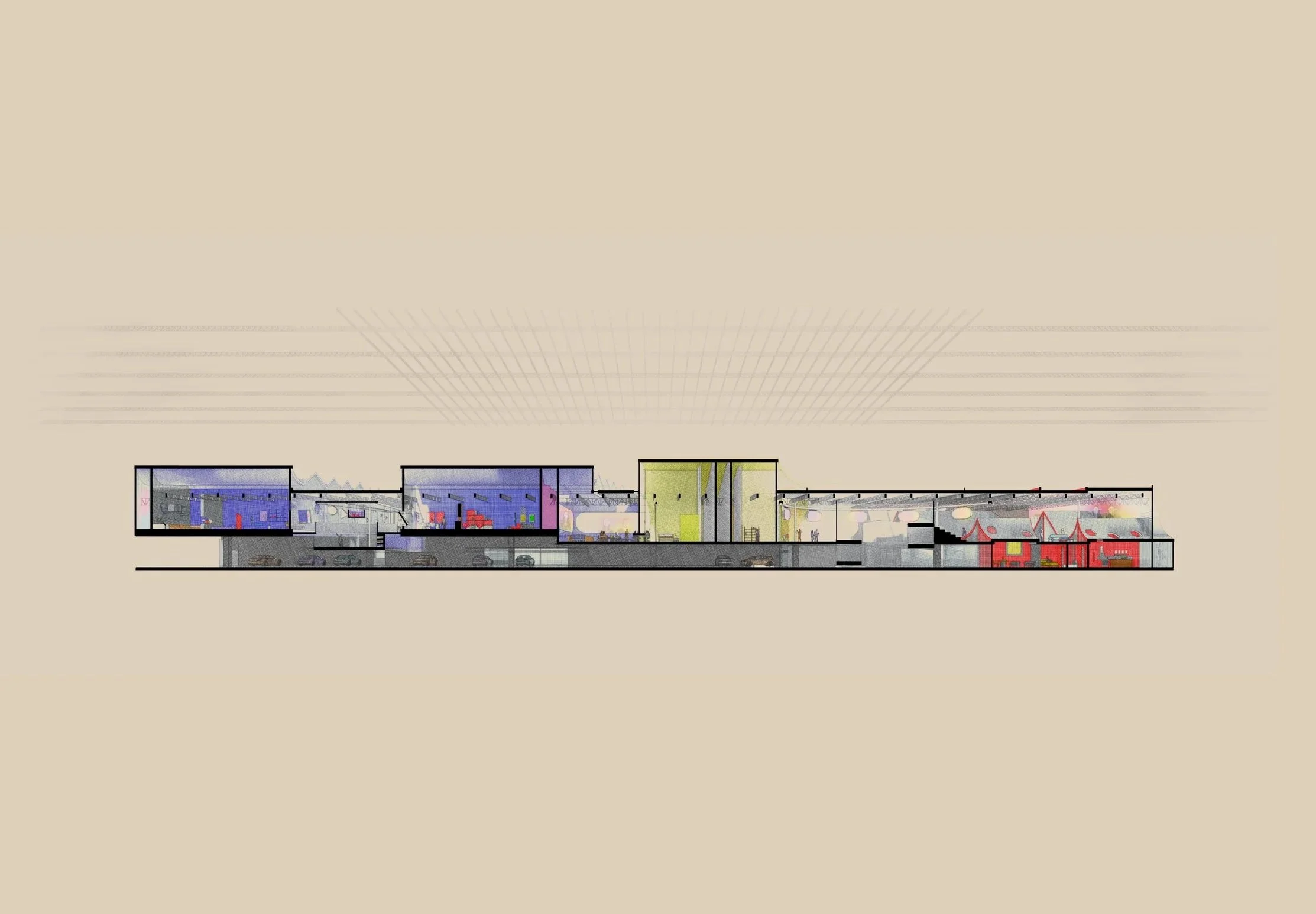
Section showing my adaptation of the existing big box. I added a floor to the interior and pulled the parking into the 1st floor of the structure
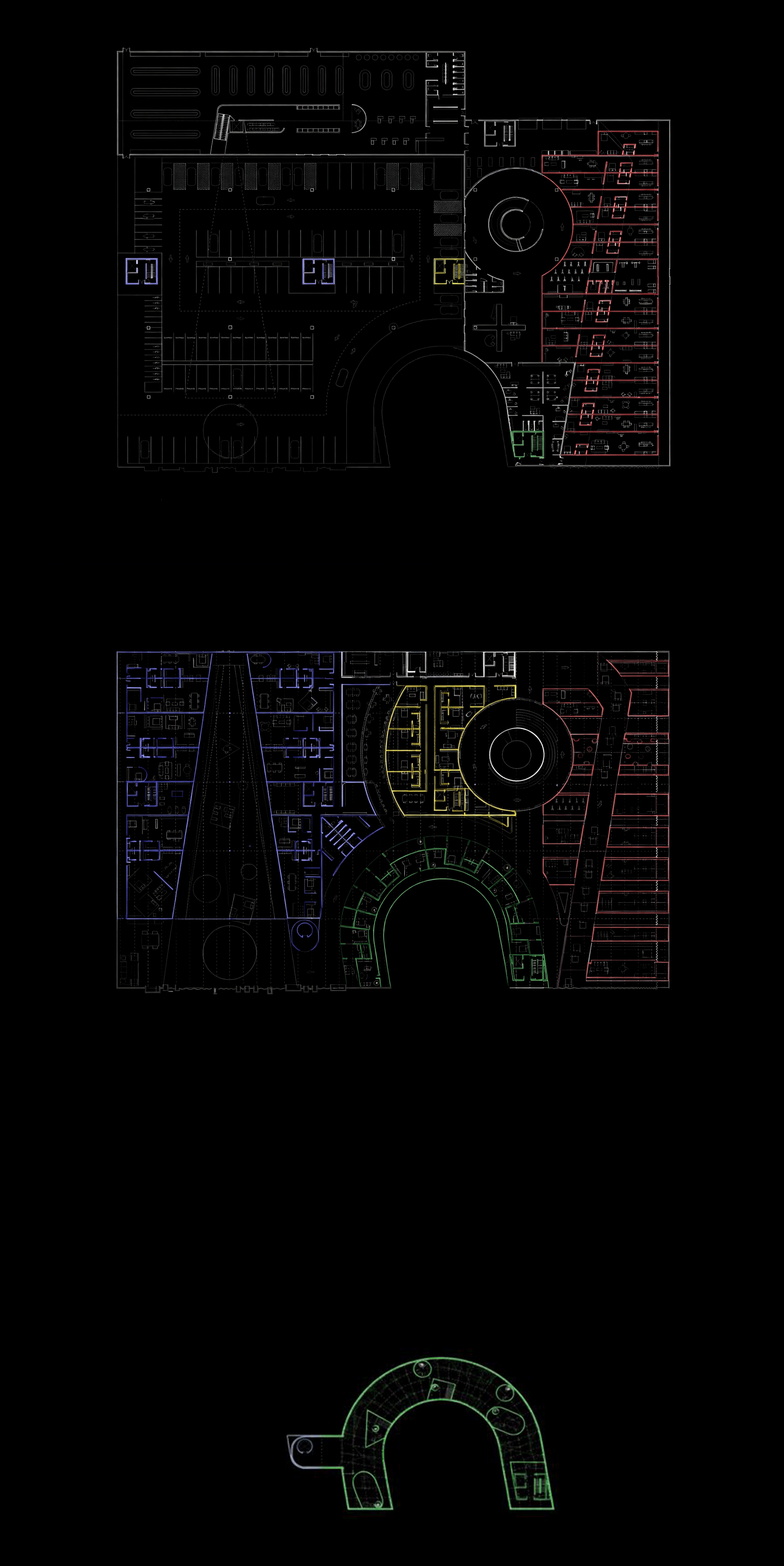
A theatrical kit of parts arranges the space into scenes
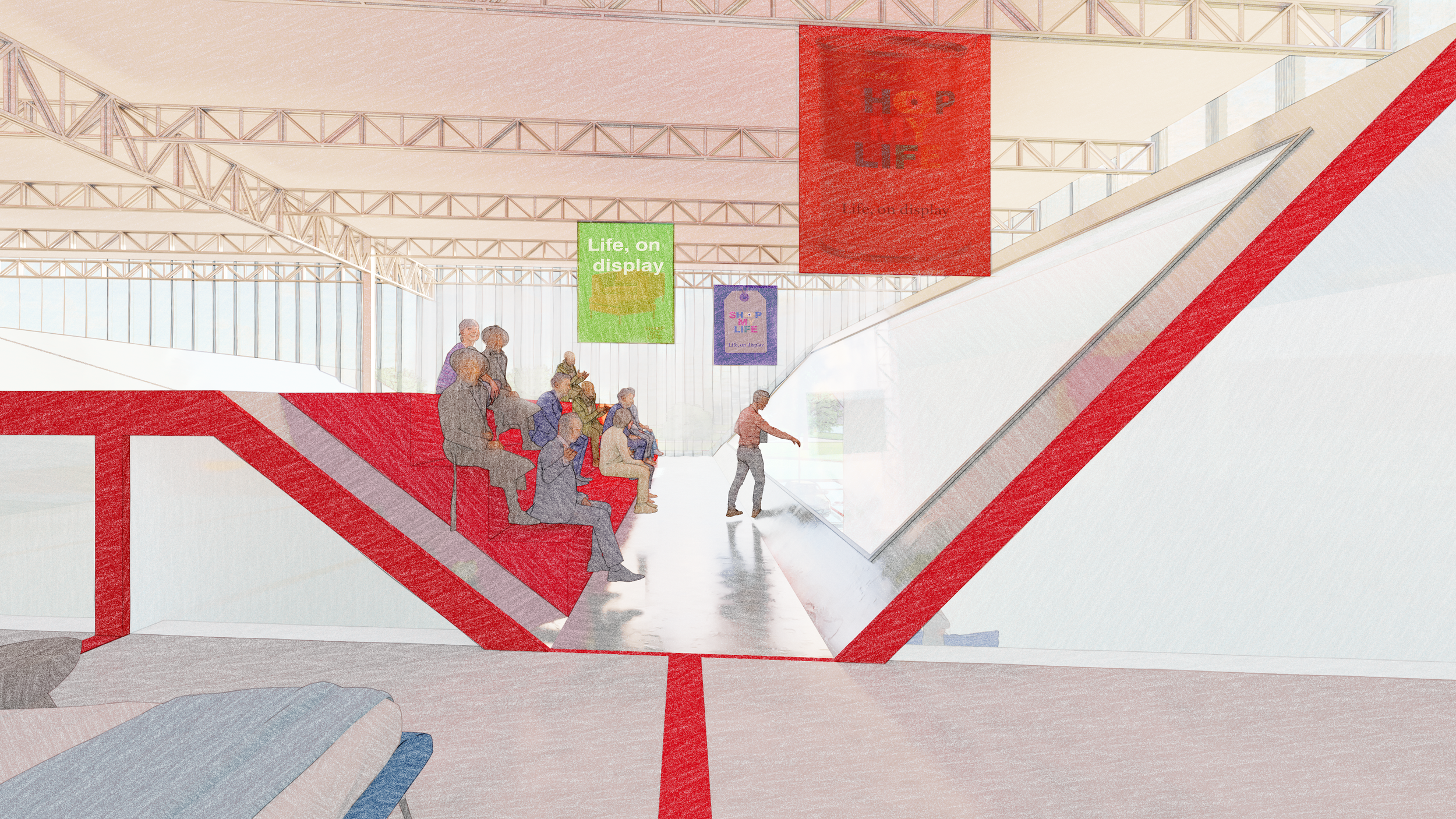
Tailored views set up thresholds that flirt with privacy
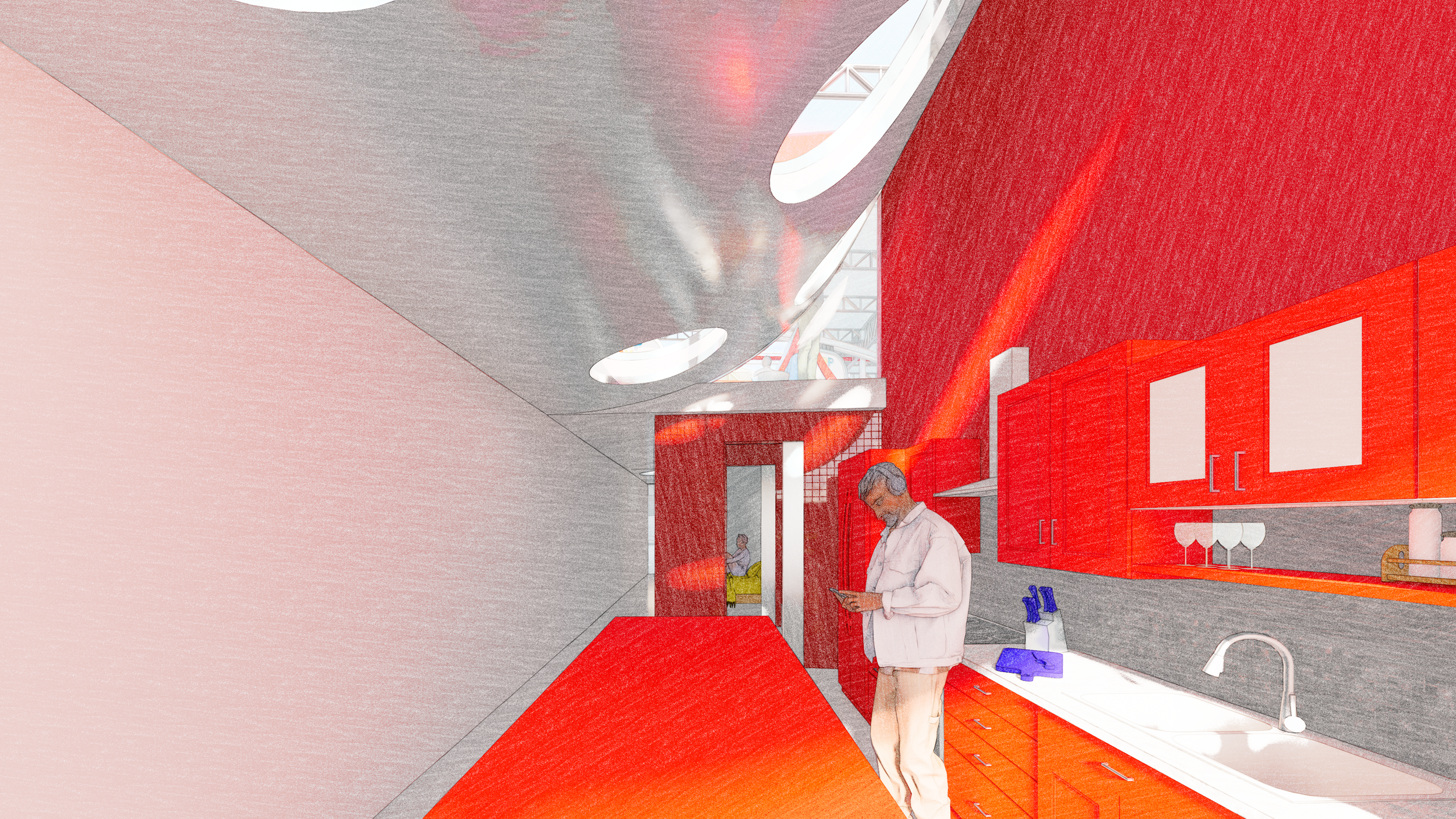
From eleven to eight, timed reveals offer controlled glimpses into units
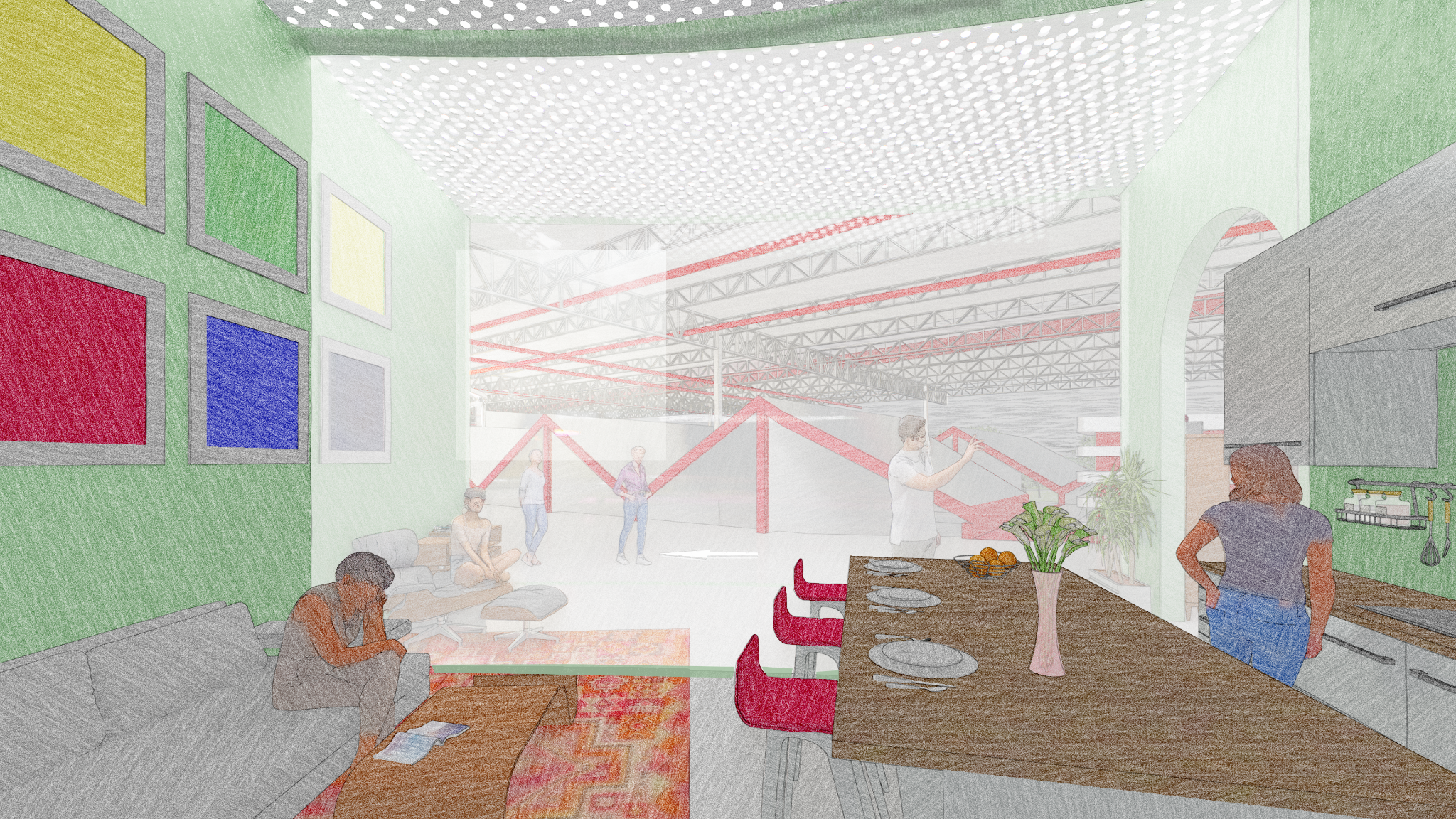
Leases guarantee subsidized rent, monthly stipends, and required participation in public programming
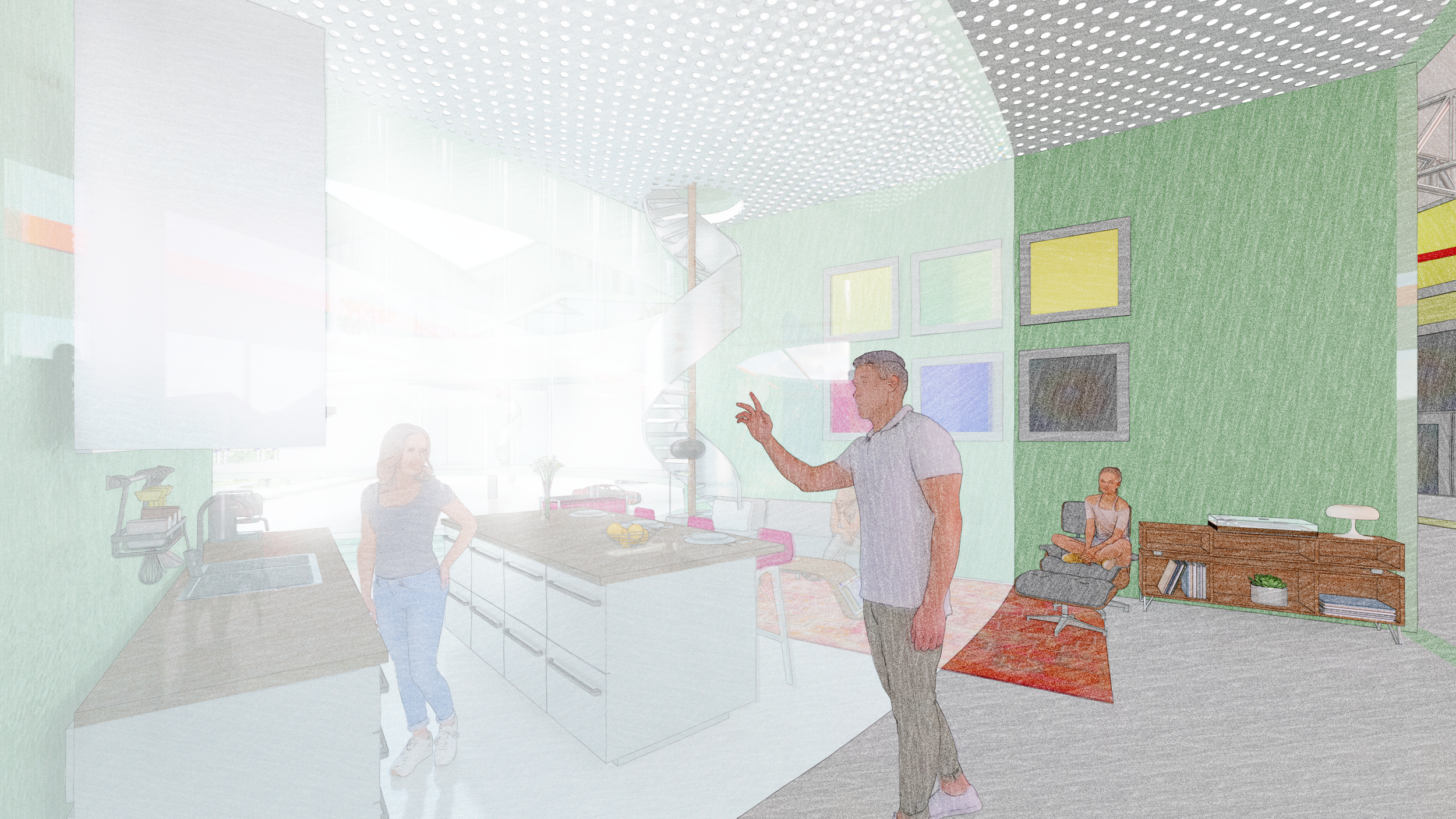
Exposure remains optional, reversible, and compensated
“Shop My Life” asks what unfolds when the logic of online shopping returns to the physical world
“Shop My Life” asks how willing people are to let their own routines become a performance in exchange for housing
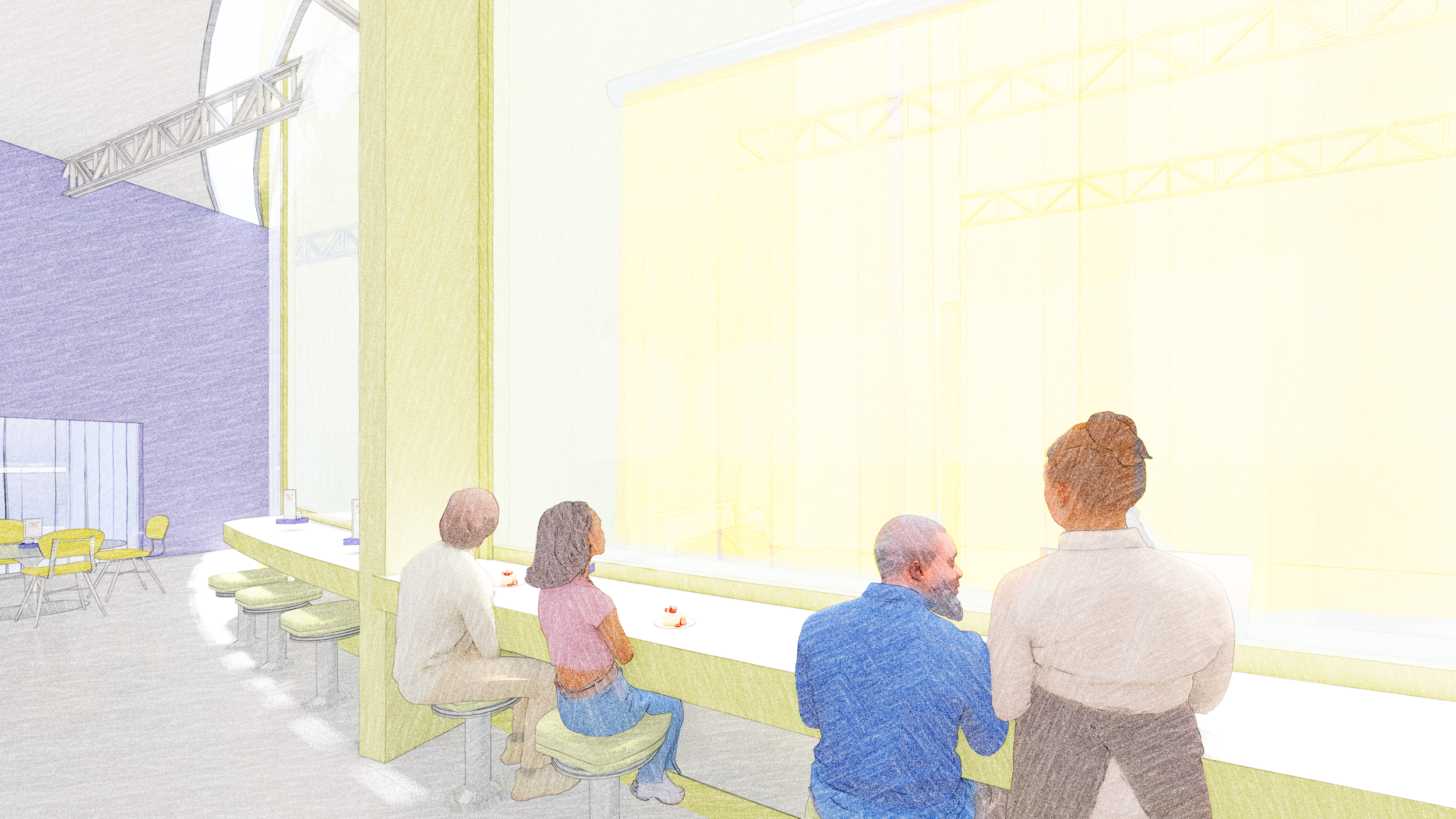
“Shop My Life” asks how far the big box can stretch as adaptive reuse
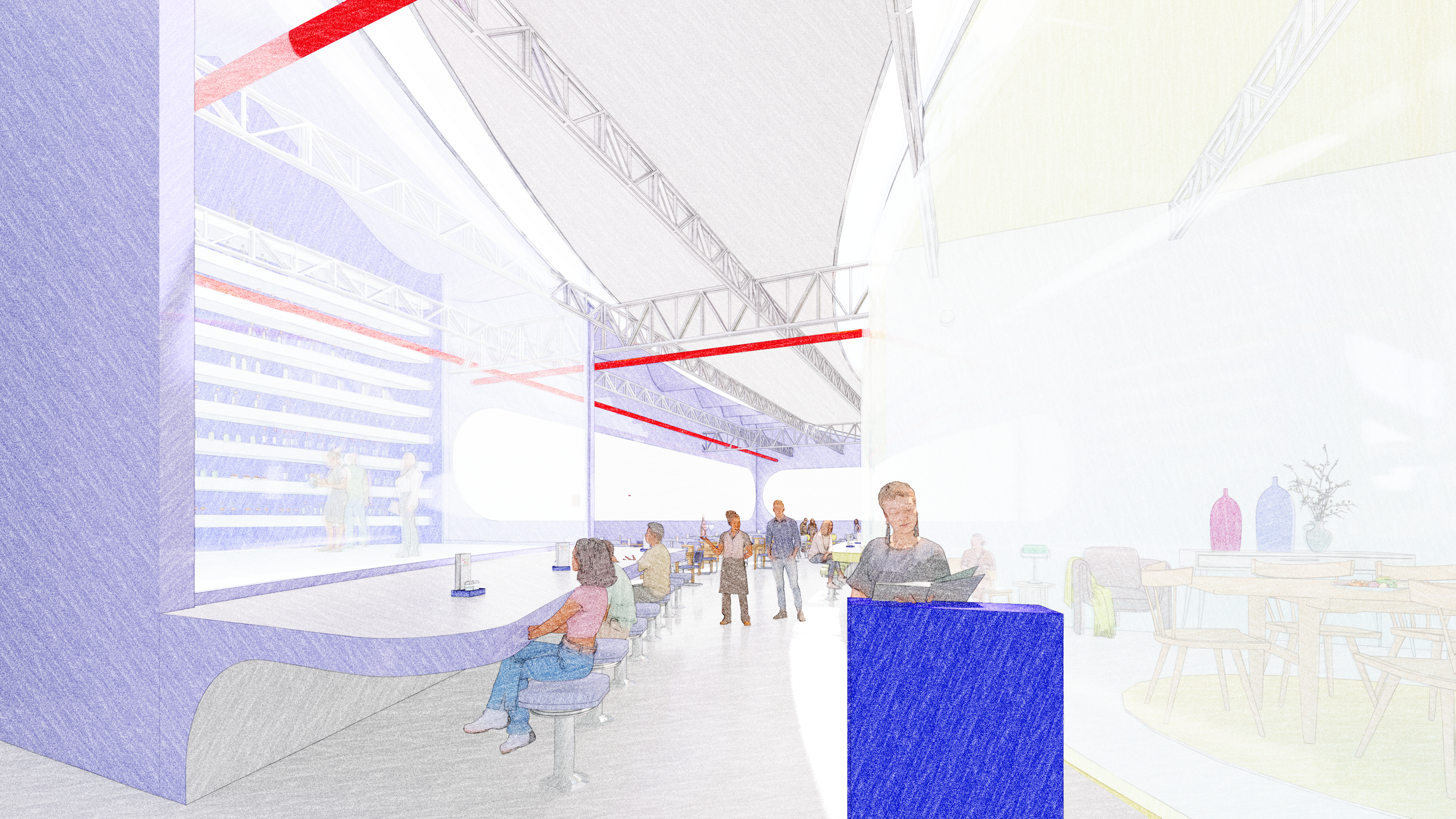
A maze-like retail loop guides visitors through unit types and scripted encounters
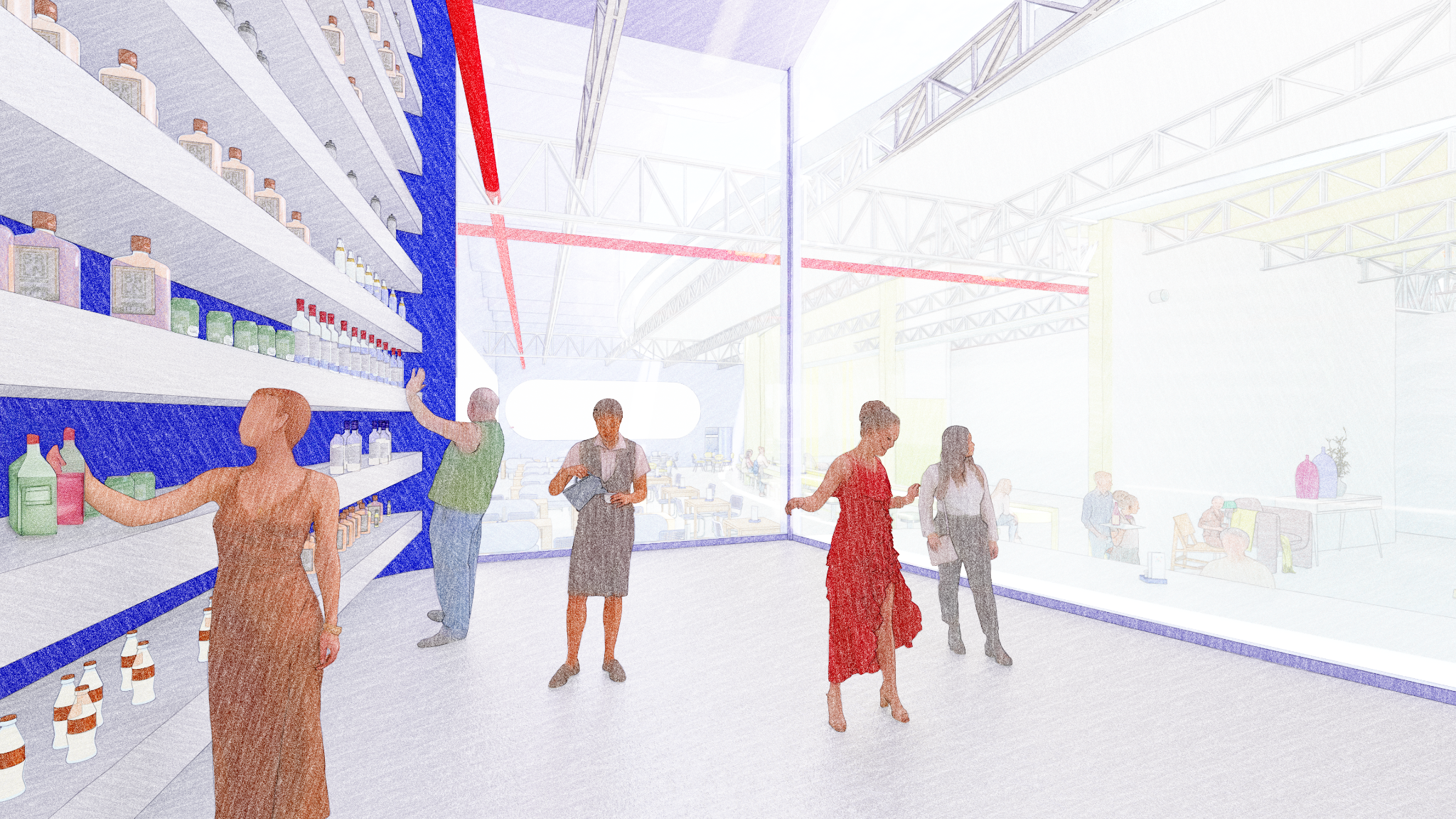
Architecture syncs with media and consumer culture to turn vacancy into a provocative and generous public offering
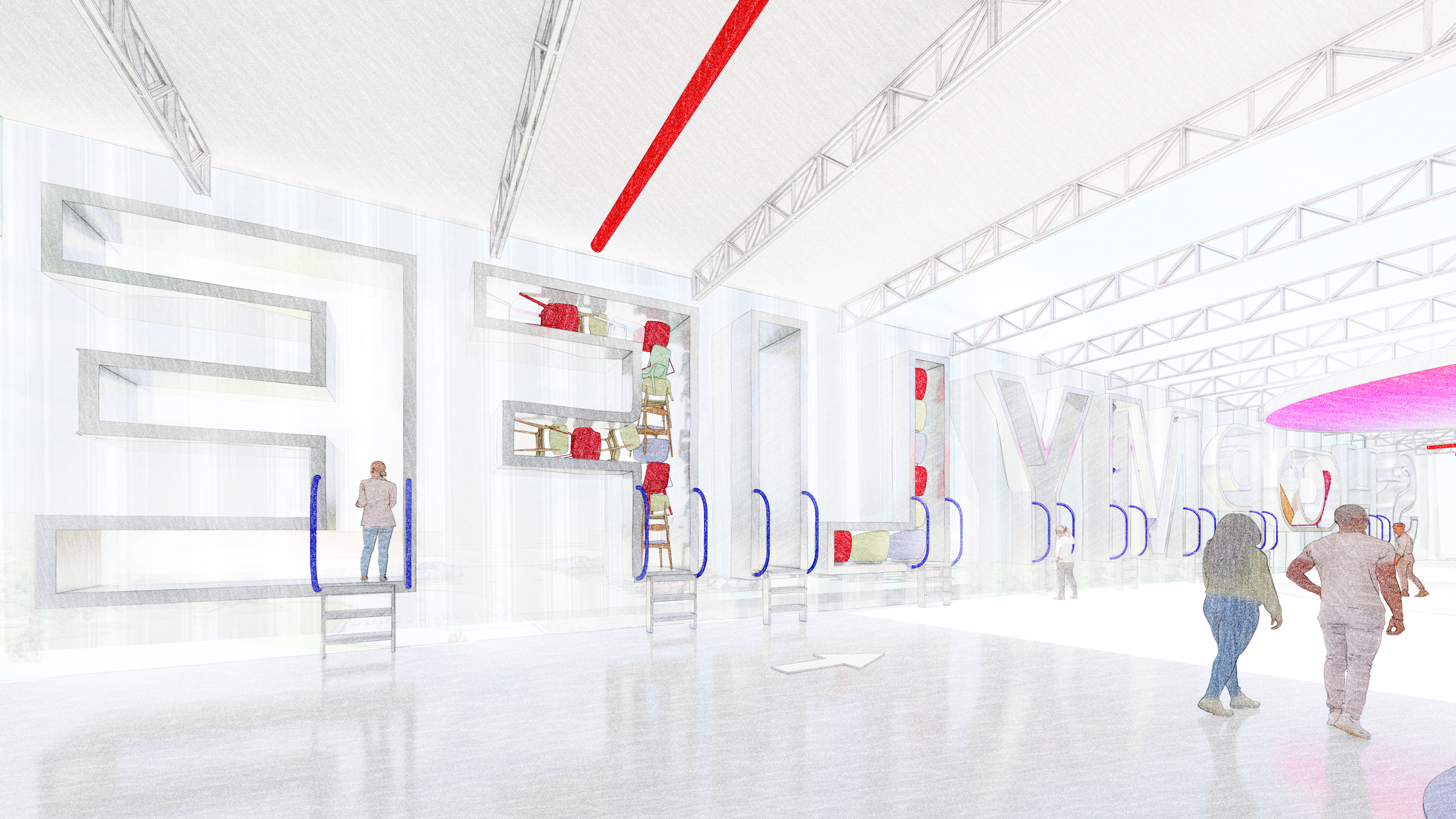
Drawing inspiration from theater, staging, and signage
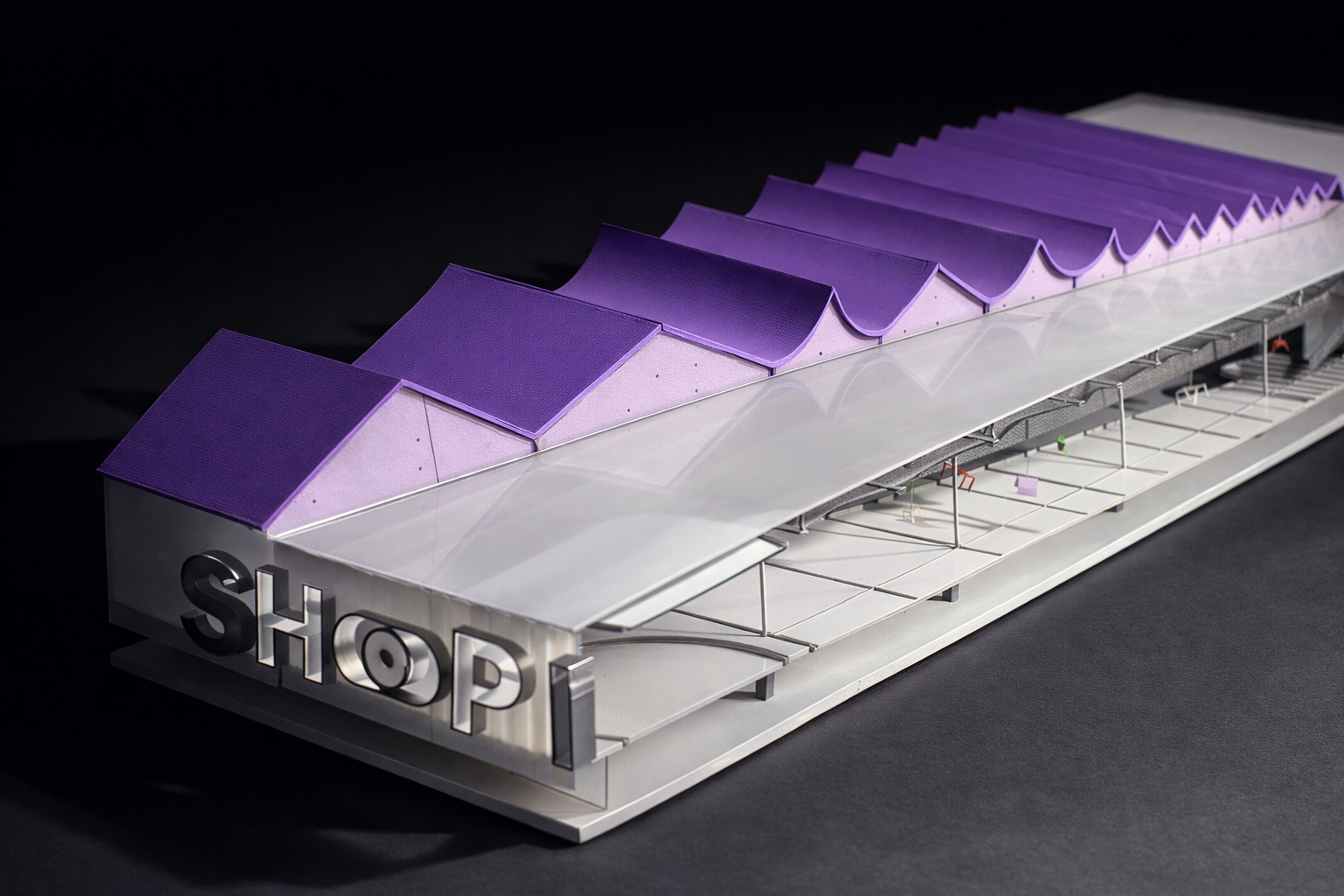
Mirrors, foreshortening, and forced perspective choreograph glimpses across the fantastical interior neighborhood
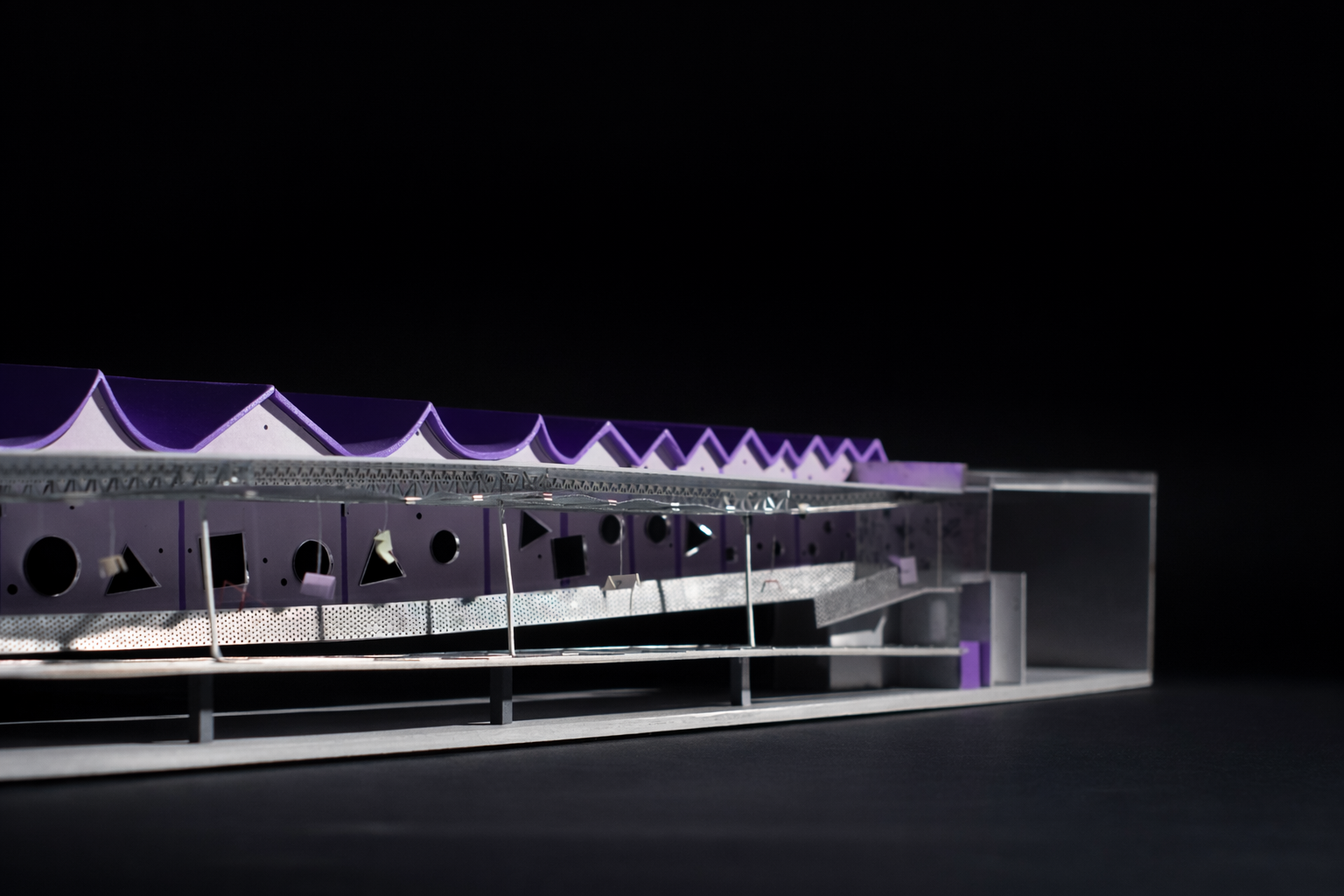
Layer is a tool used to create continuous movement within the project
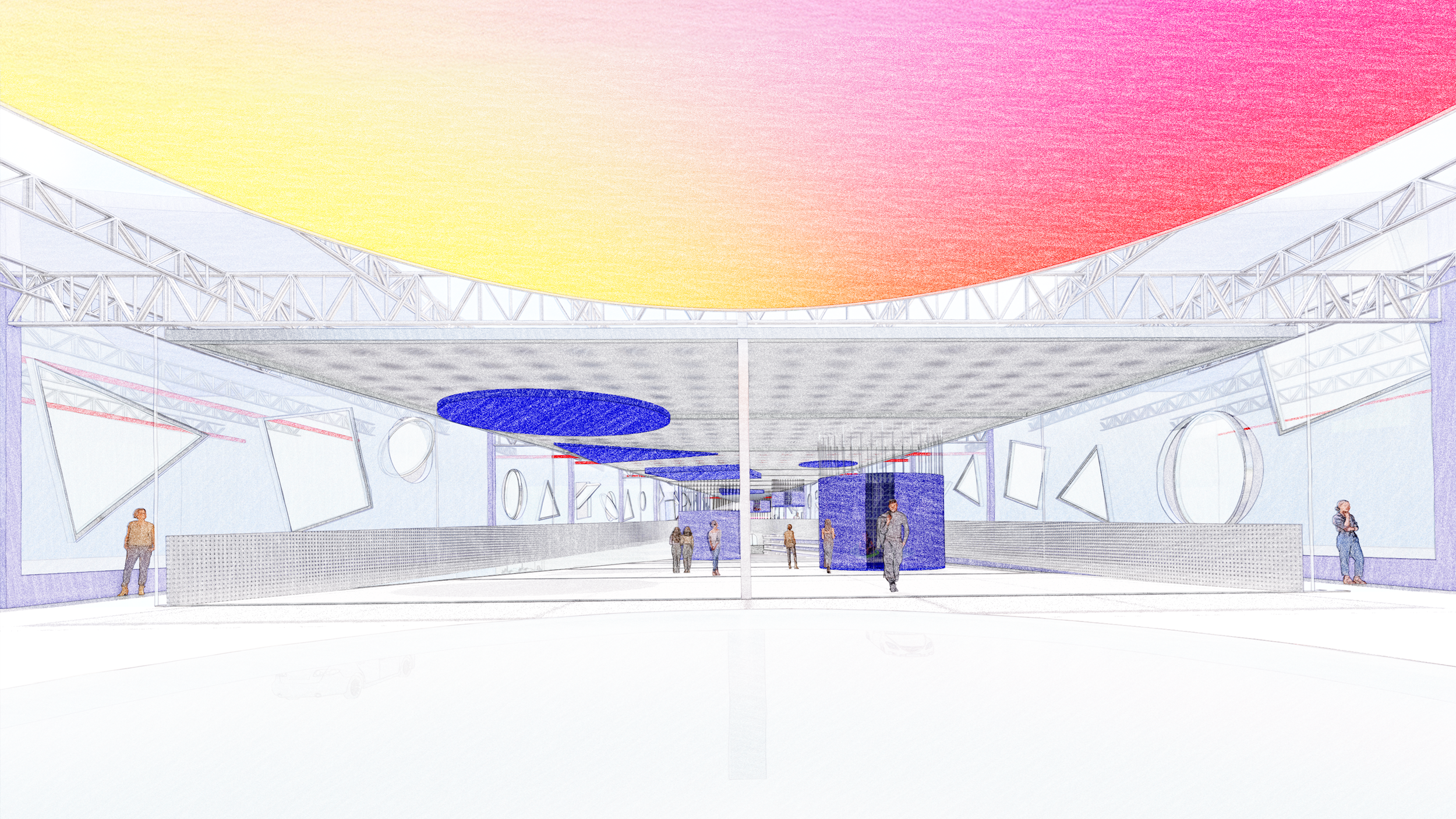
Corridors bend and foreshorten like slow tracking shots

Paid placements create strategic branding opportunities
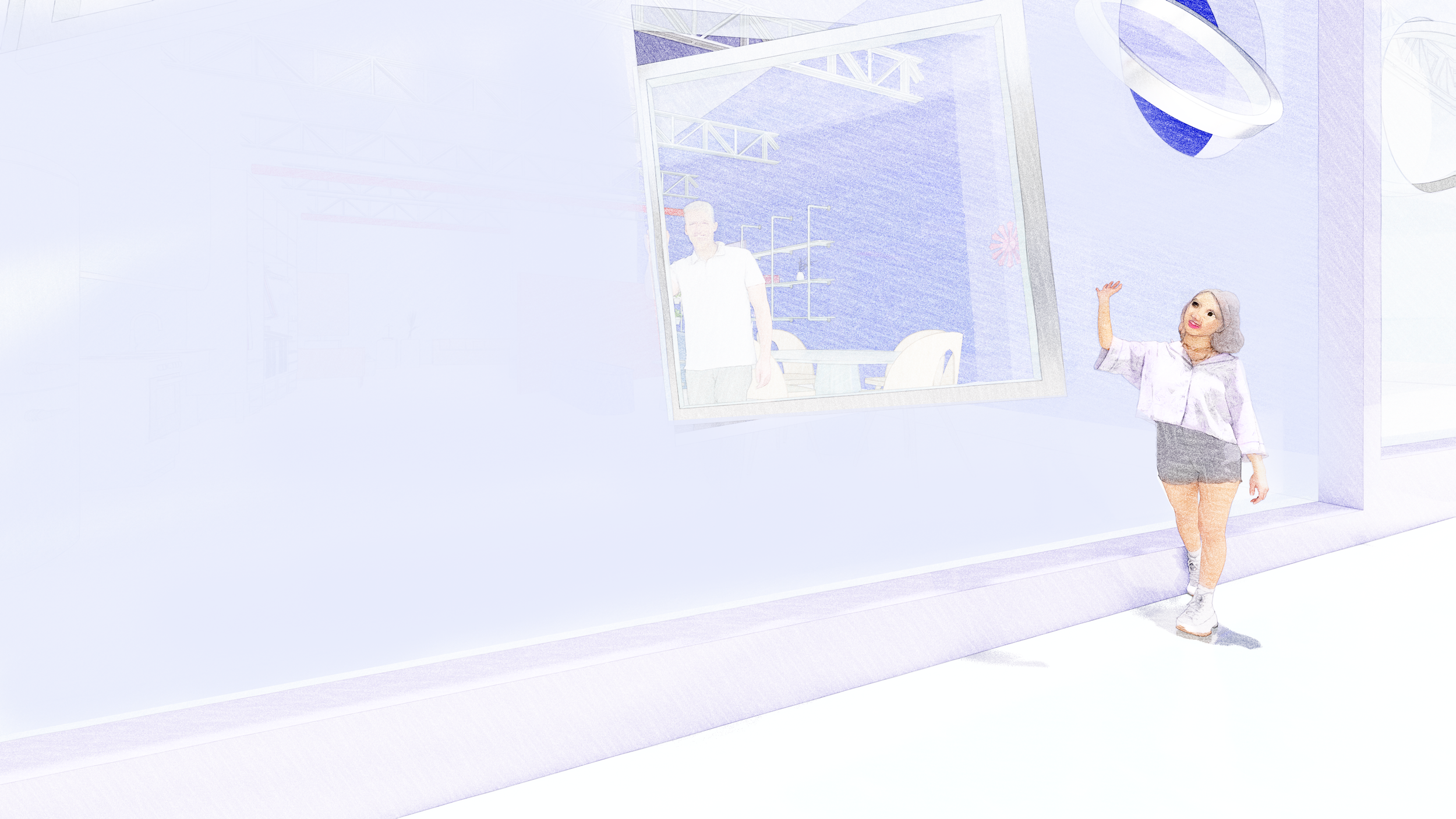
“Shop My Life” gives you the ability to ineract with people actually use the products you buy
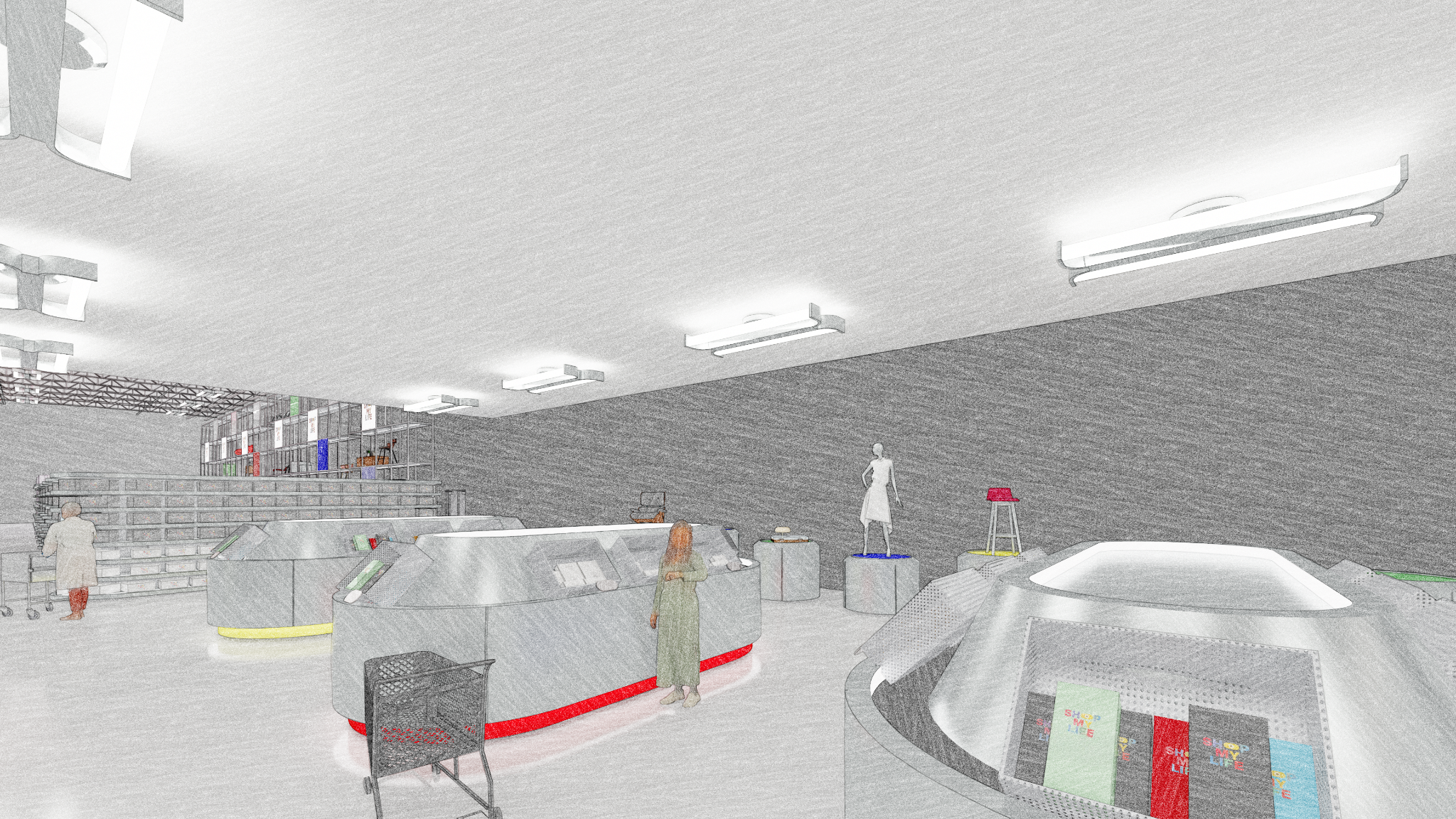
“Shop My Life” gives you a reason to show up and shop instead of scroll
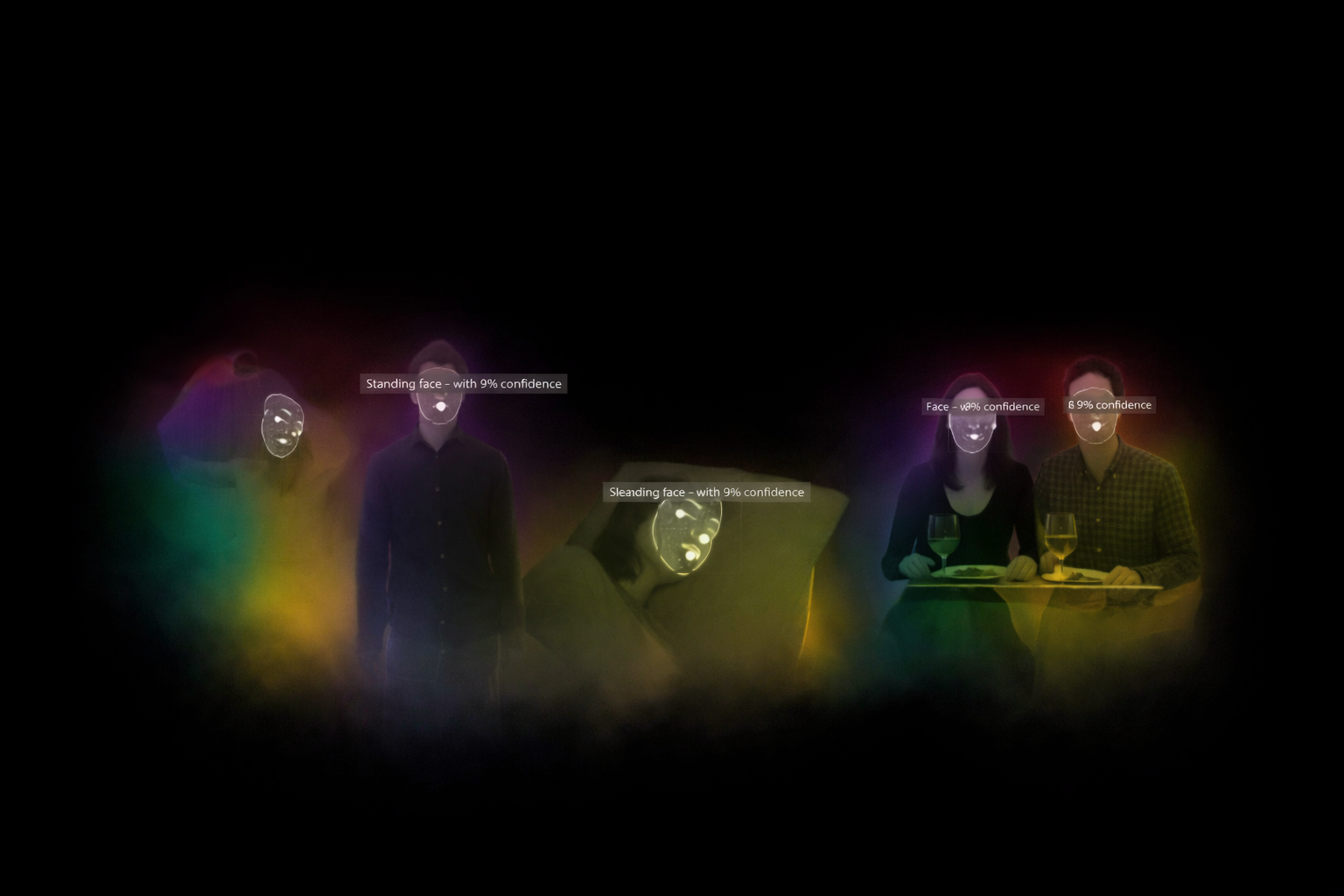
You must show up to see the content generated from the store.
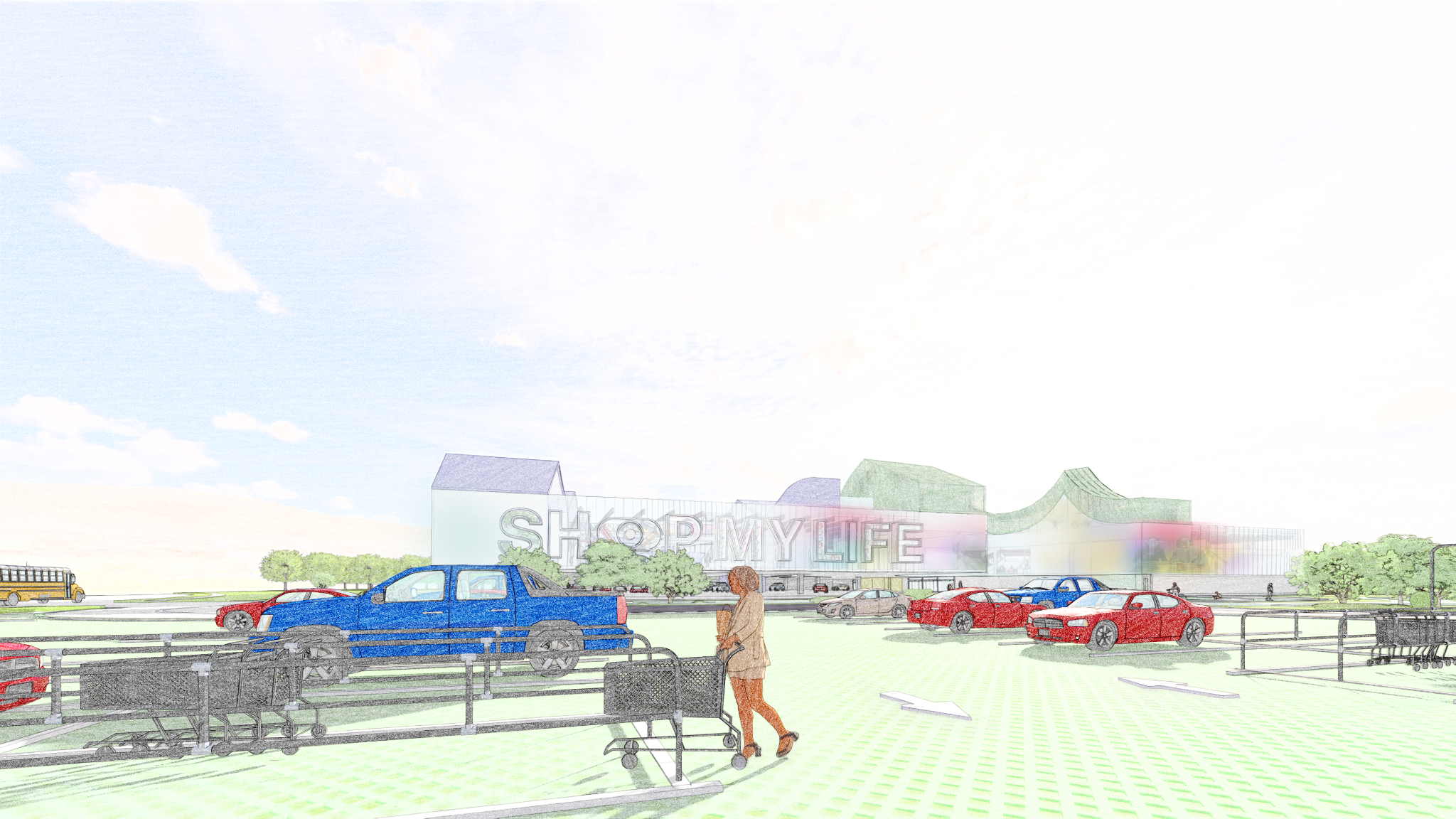
The facade receives a projection of a live stream of rotating views from inside the units, calling upon the typology of the drive in theater
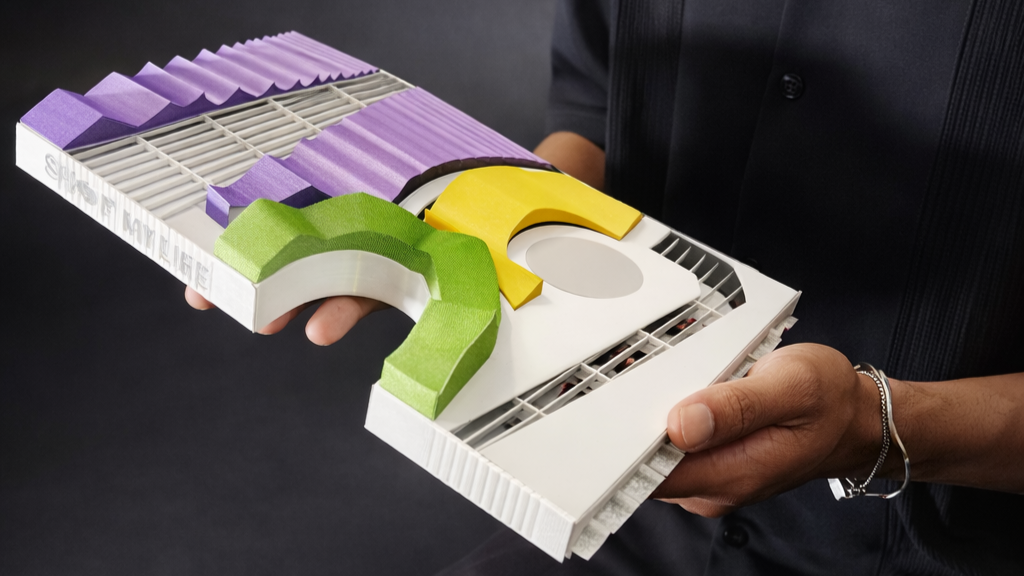
This is V1 of an endlessly scale able kit of parts that is able to fit into the grid of the bix box store type
Secret Garden
Harvard GSD London Travel Studio / Preston Scott Cohen & Panagiotis Michalatos / Team Members: Amy Tomasso, Sania Mulk, Sean Li, Ryan Snow
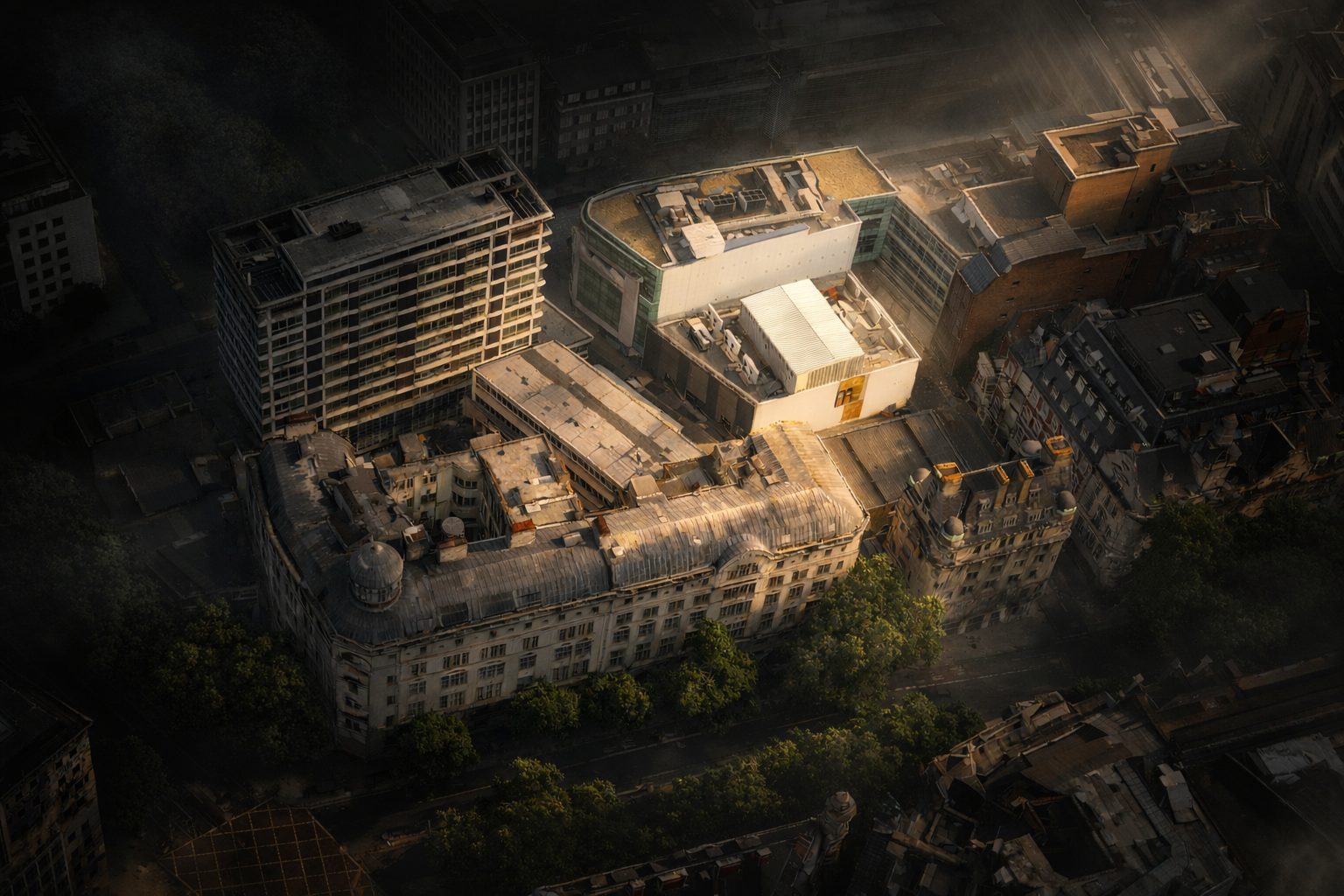
This project redevelops and adapts this abandoned 3 building block in London

In green is the existing structure and buildings that reside within my intervention
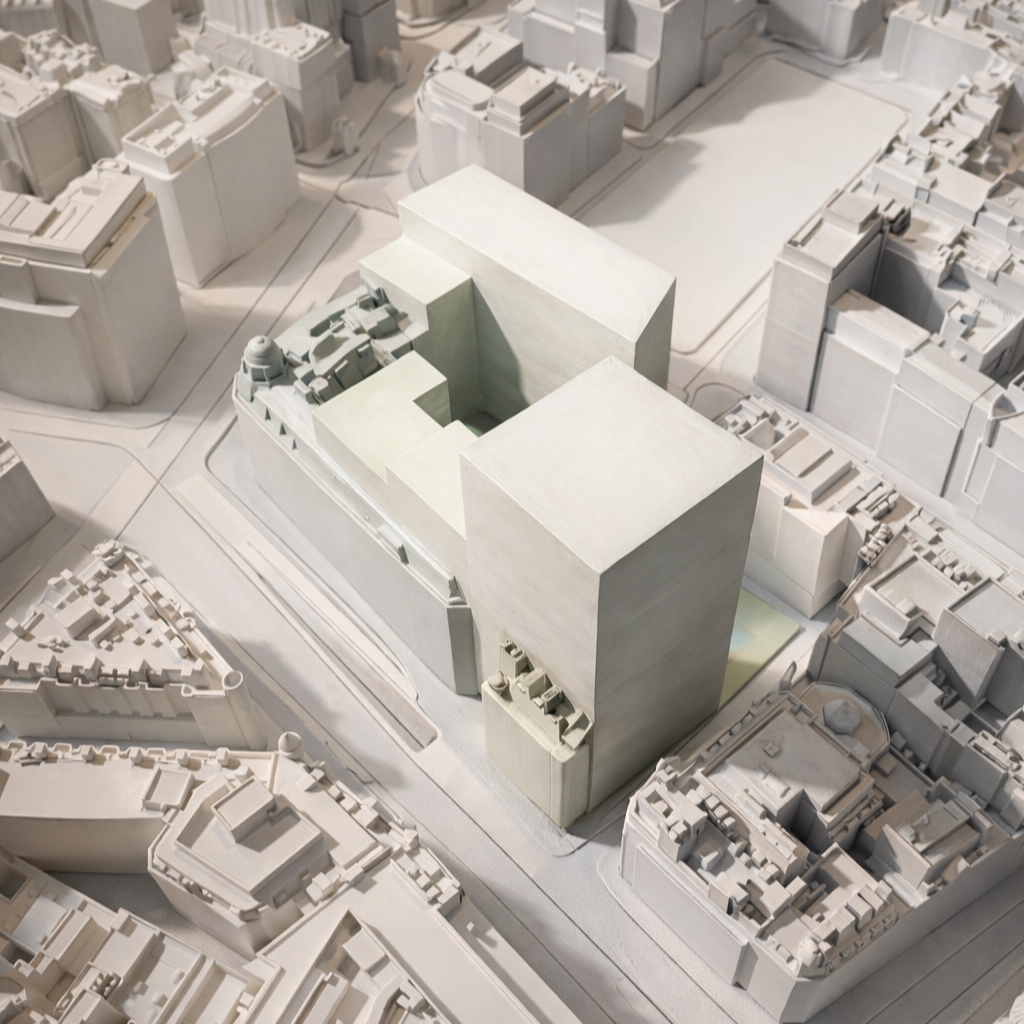
The existing building is converted into a members only wellness club that then connects age 50+ housing on one side to market rate housing on the other
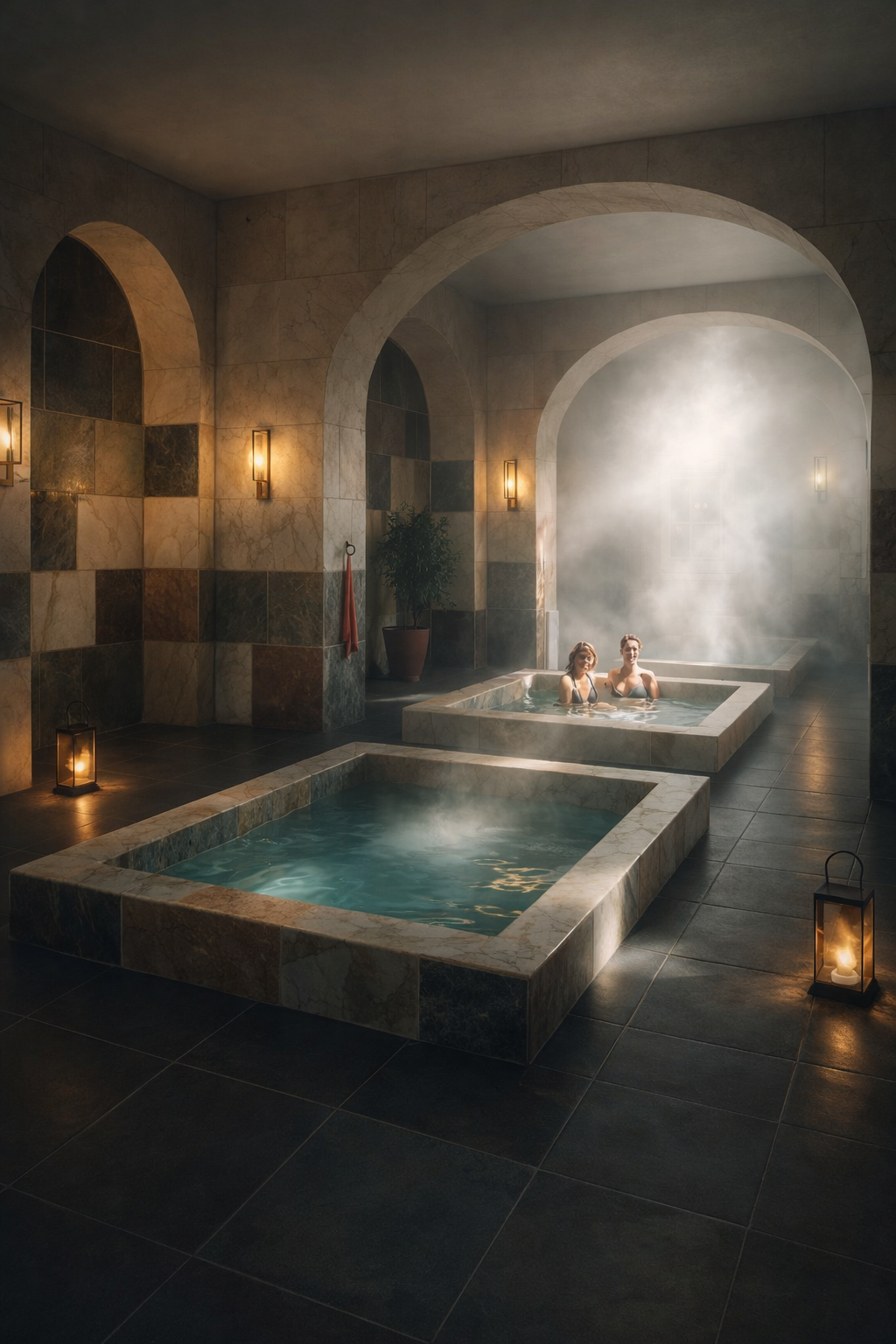
Here you can see specifically the London Baths of the adapted Wellness Club
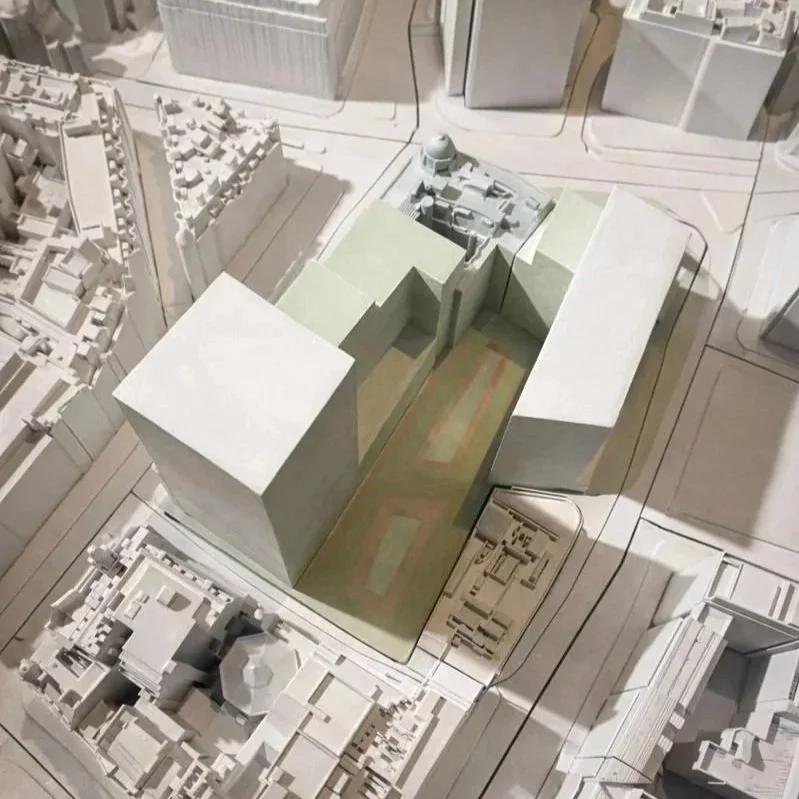
Collaborating with a team of developers, we designed a project that is profitable while also engaging the community
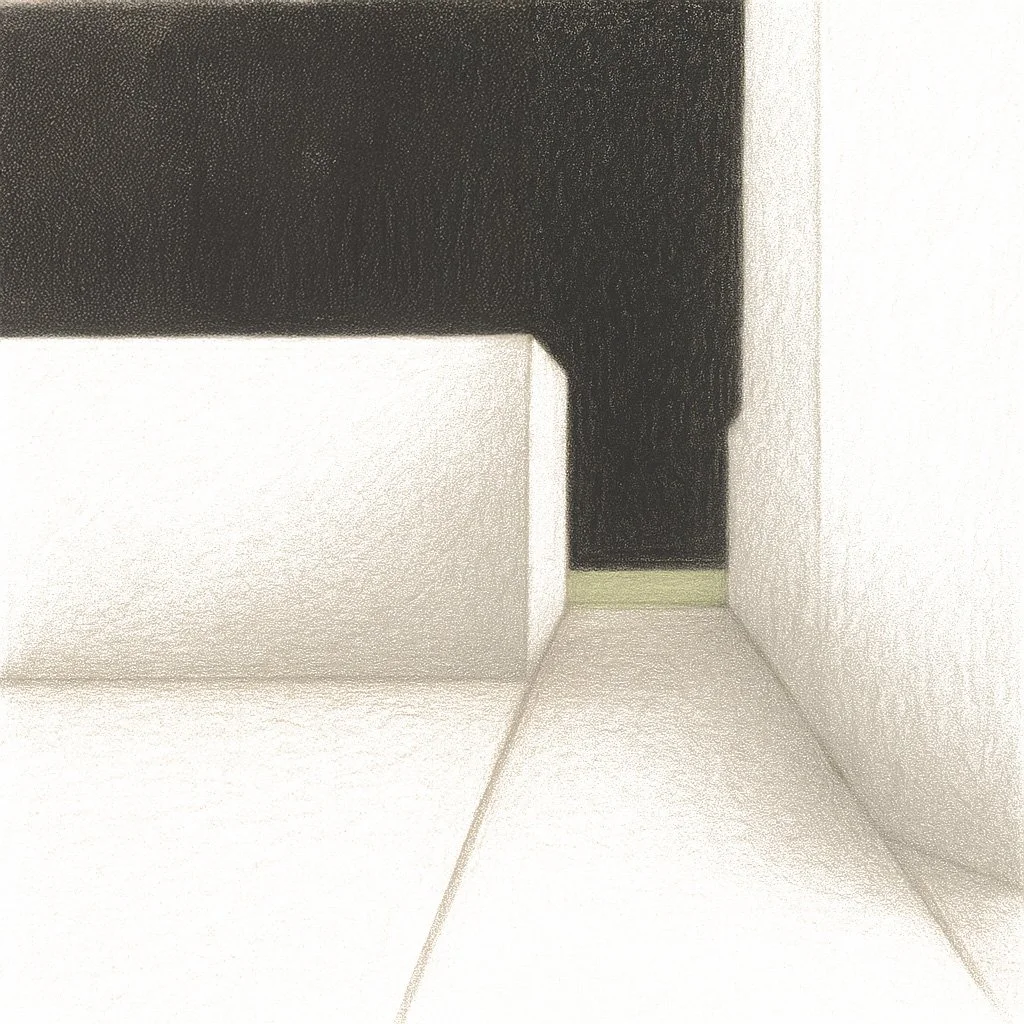
The buildings form a wall, stitching the old and the new around a hidden 'secret garden,' creating a private courtyard that feels like a special discovery
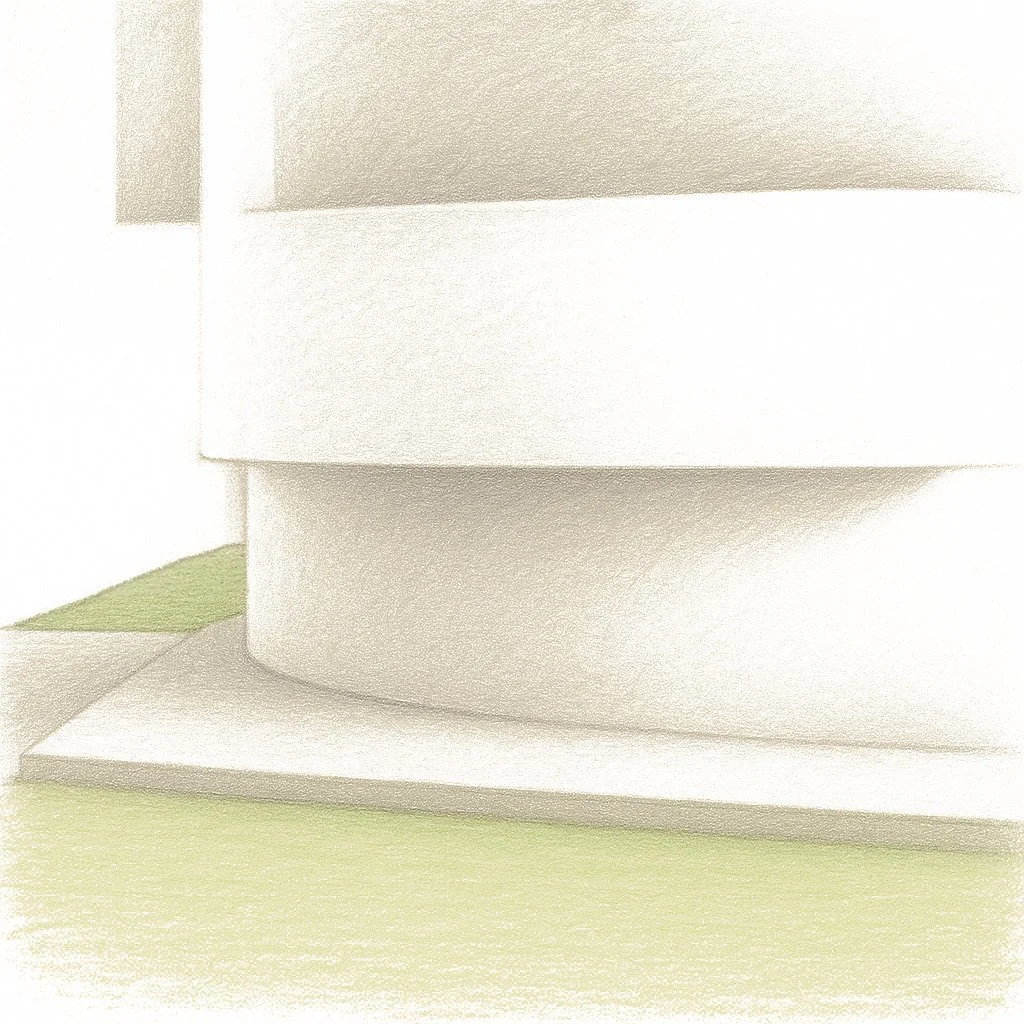
The building’s design hints at the quiet oasis hidden inside
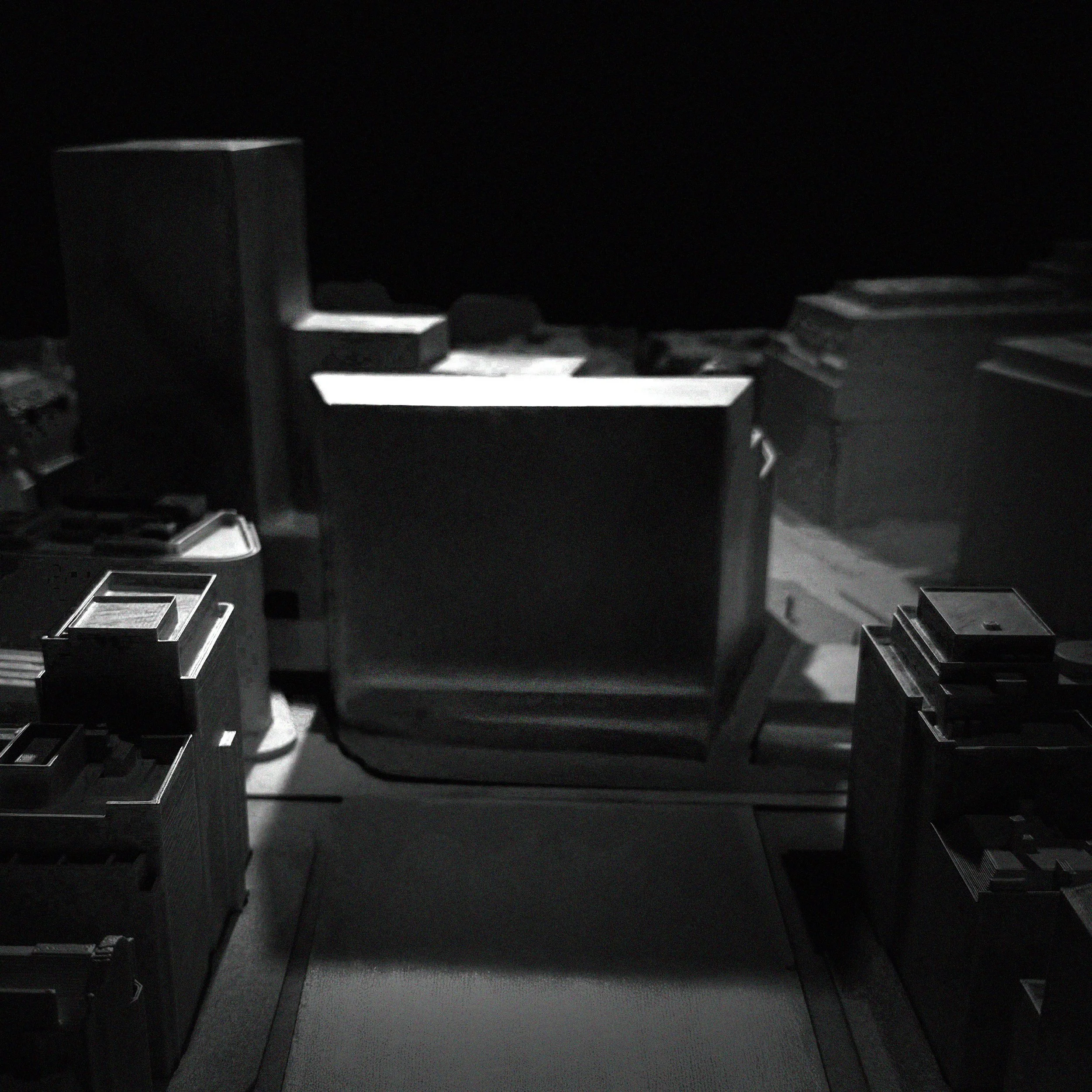
Massing is meant to redirect you around the project towards its secret
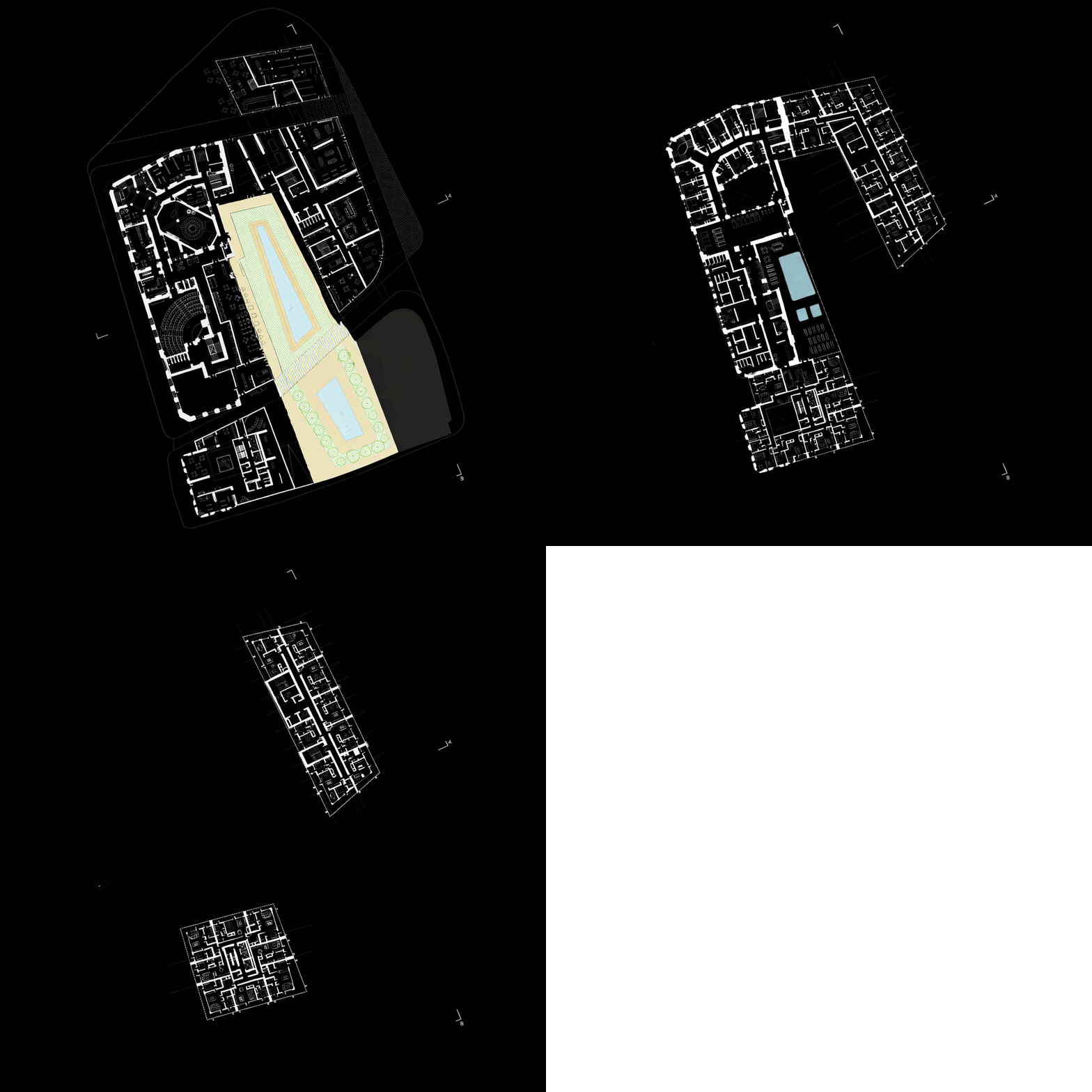
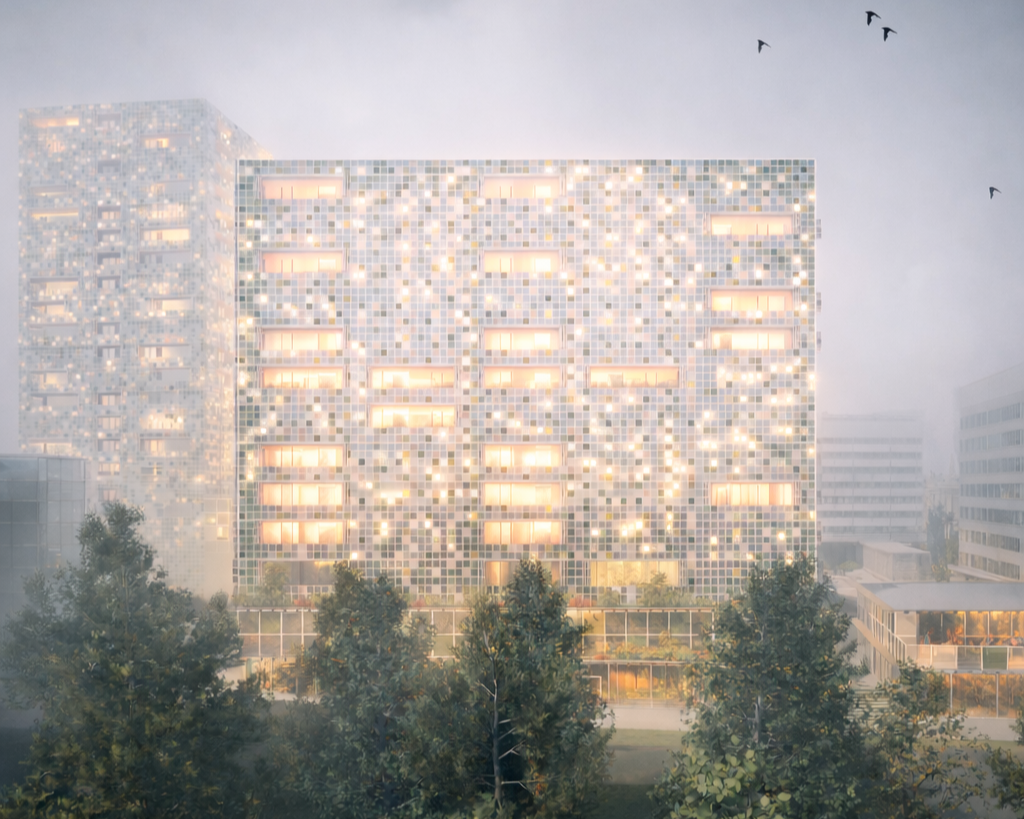
Beginning at the ground floor, the design breaks apart into two towers as you move upward
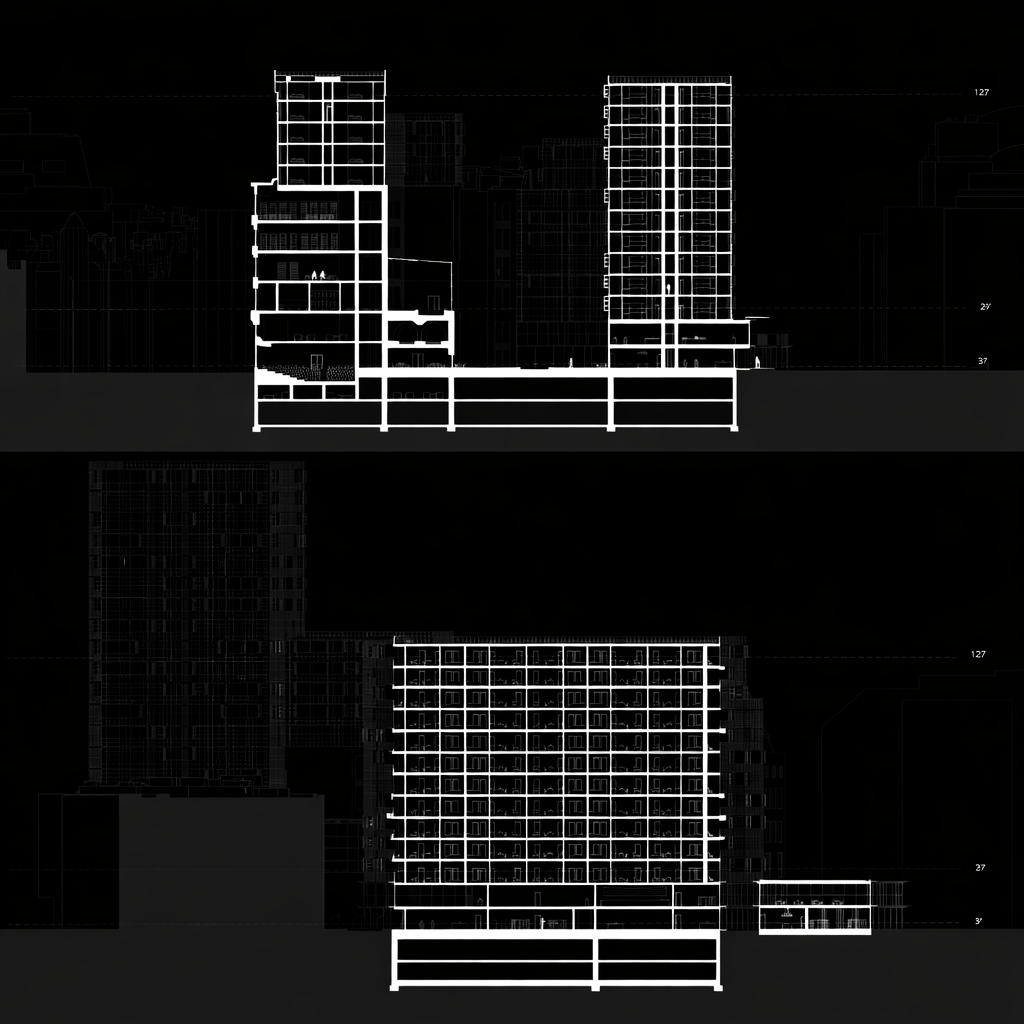
Both towers of residency flank each side of the courtyard
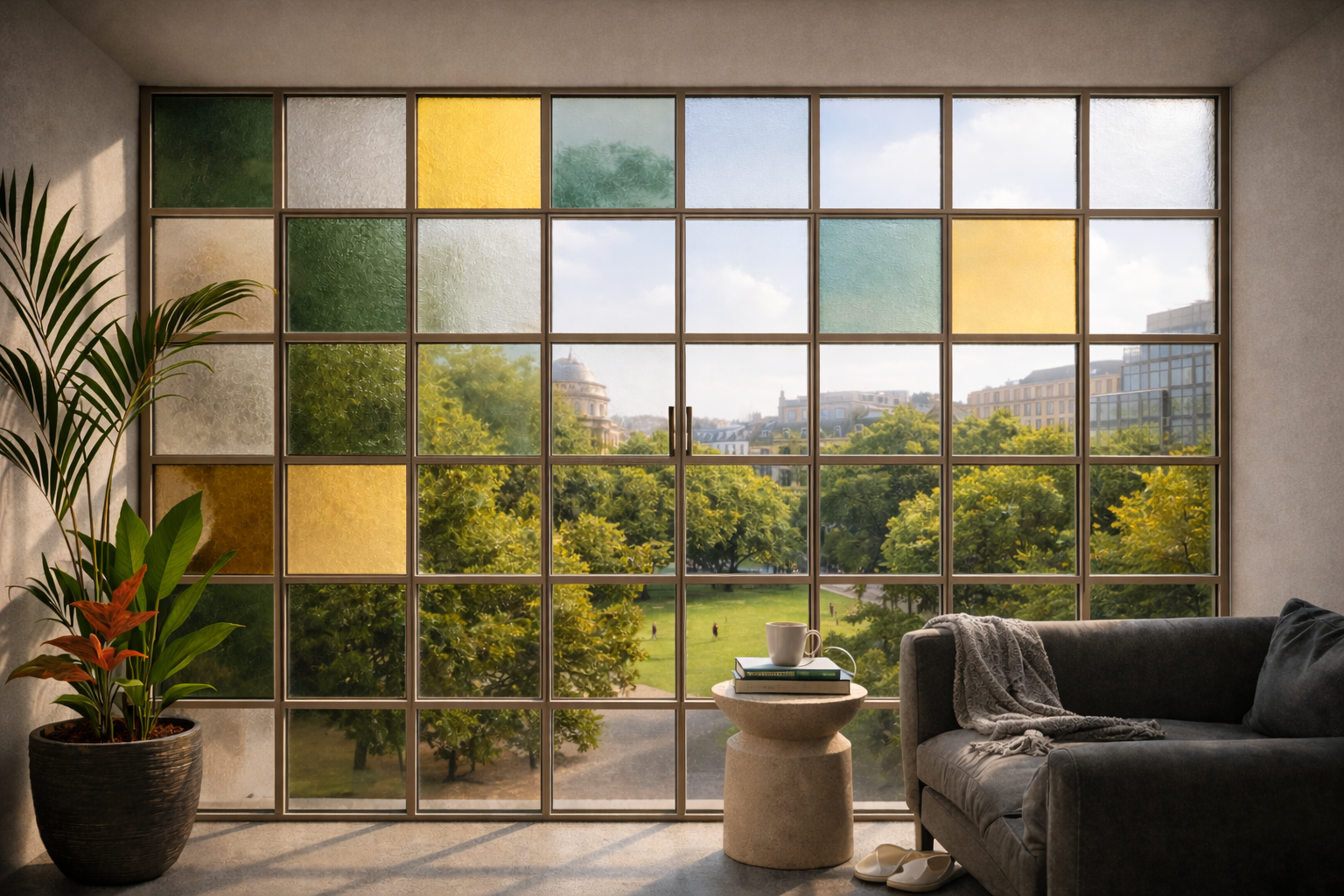
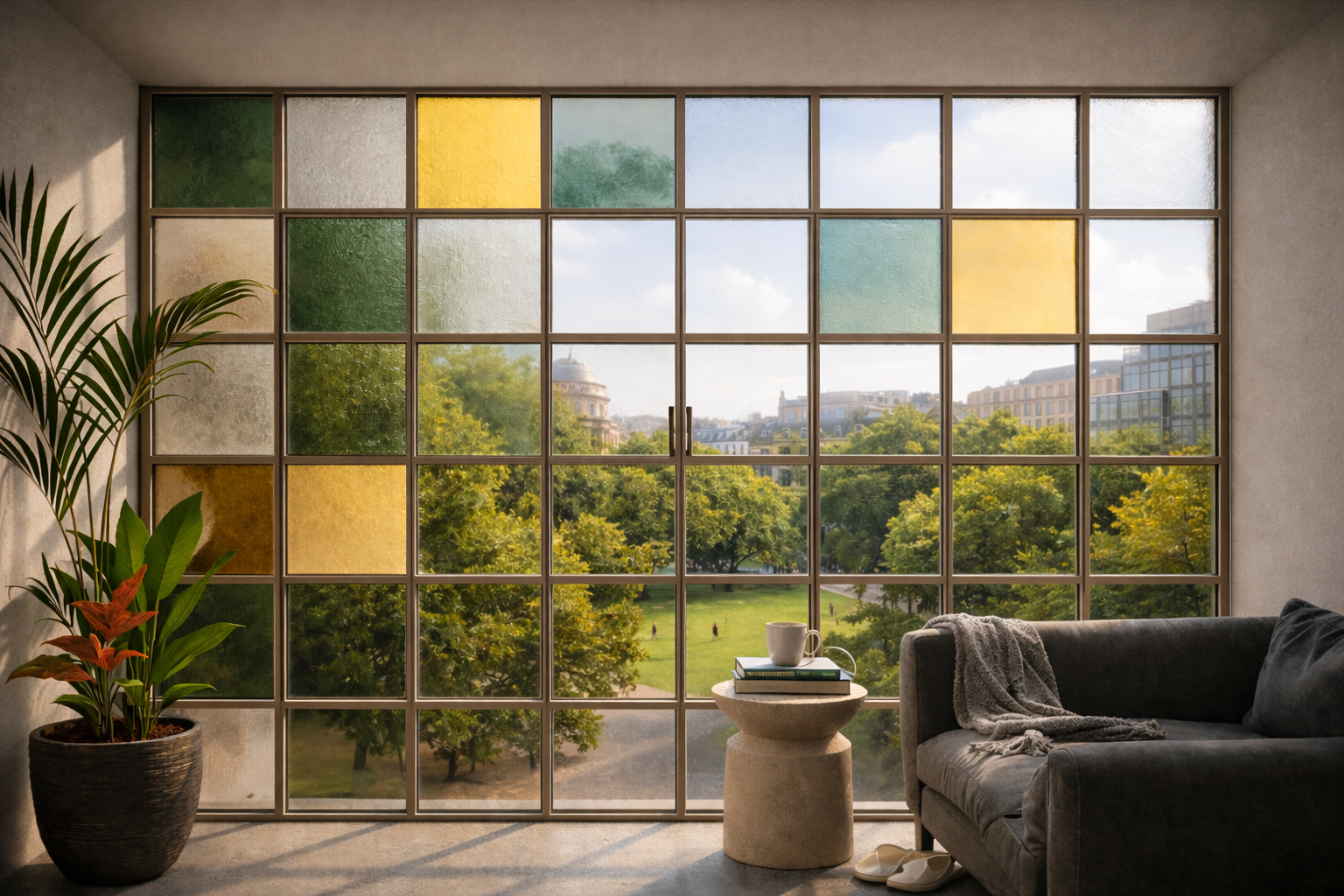
The facade was designed by a self-developed AI program that pixels out urban clutter, leaving residents with sunrooms that focus entirely on nature
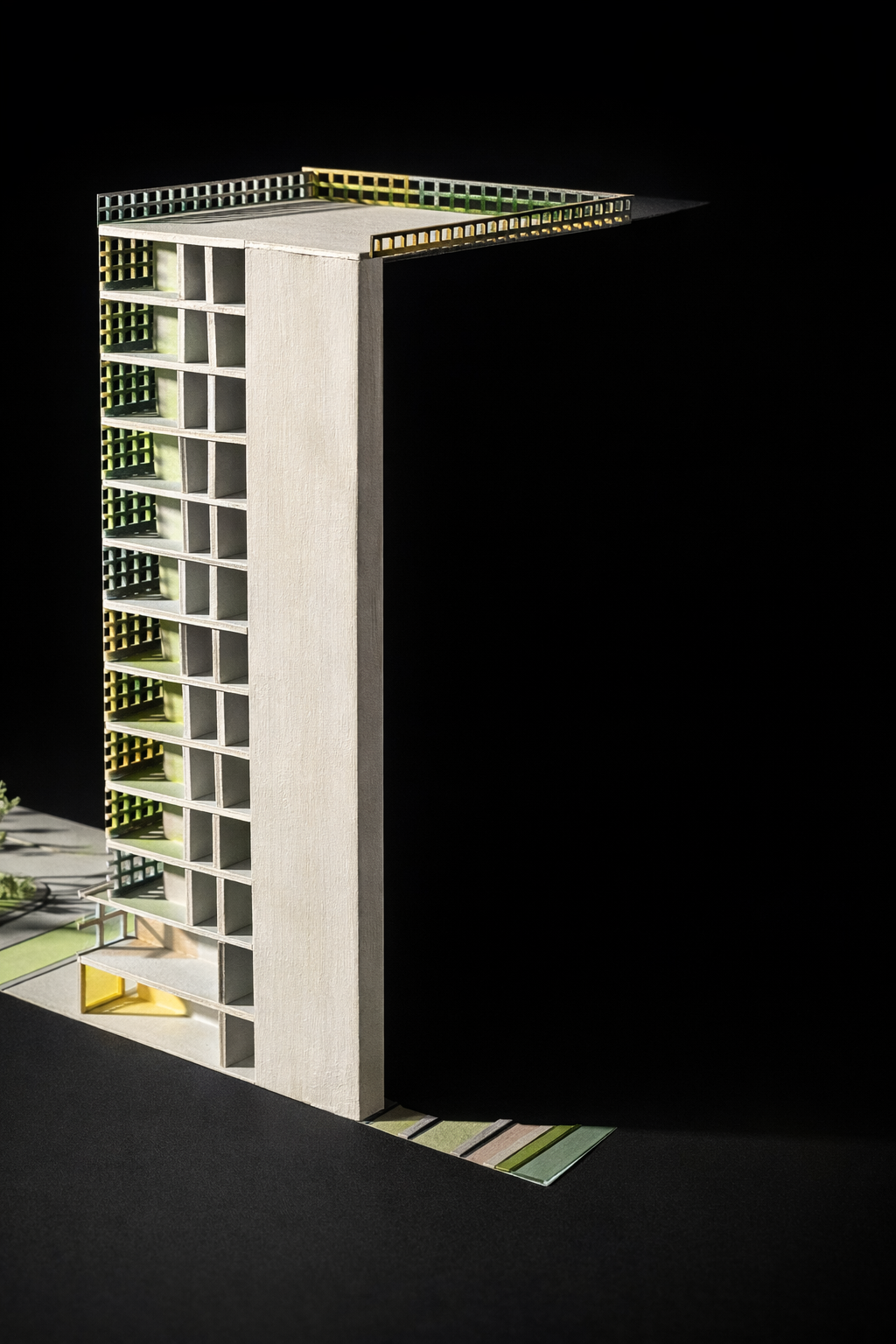
The facades chromatic montage mosaic cast each piece onto a larger puzzle of layered histories
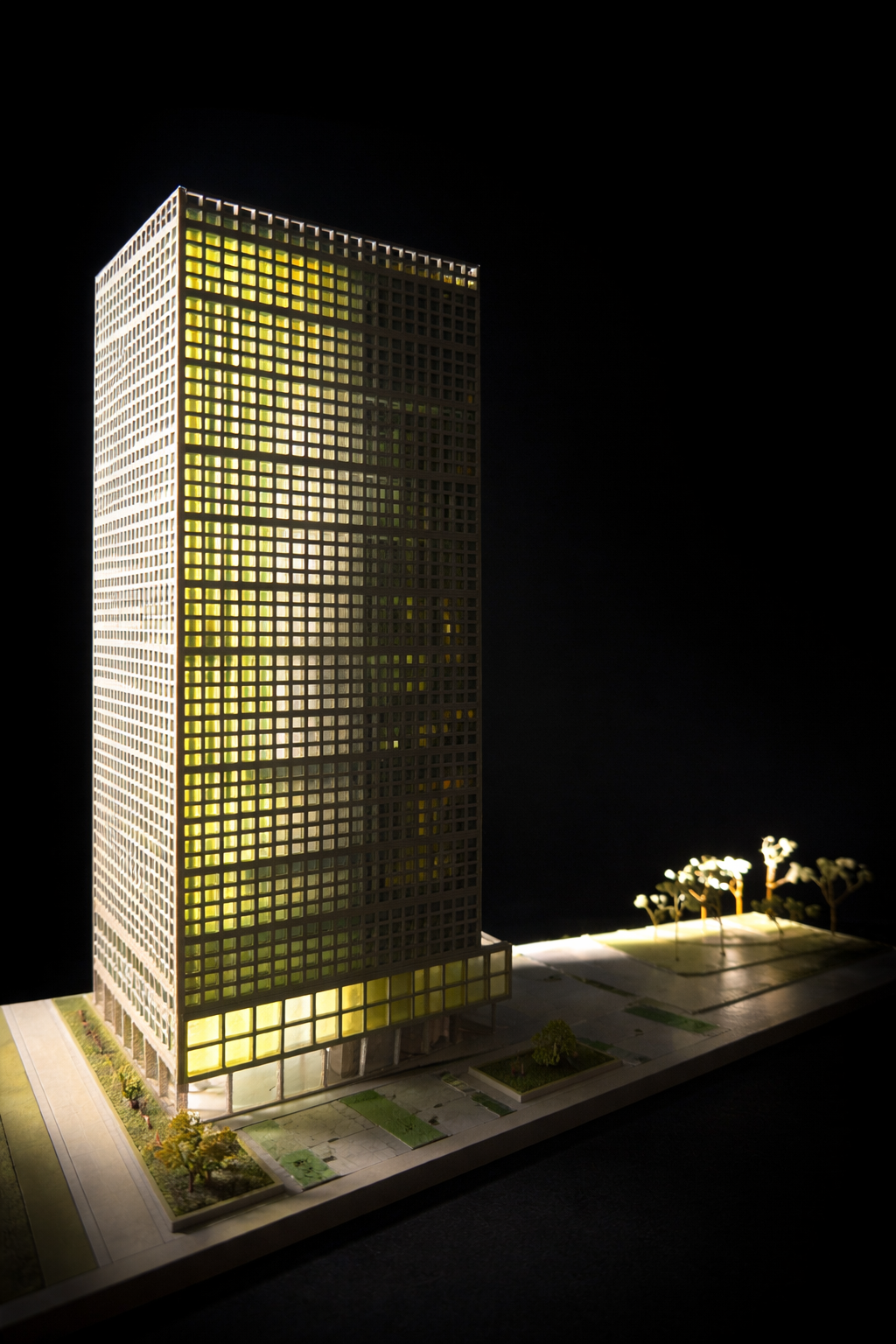
The building becomes a filter of light, casting color and calm across the floors and out into the city
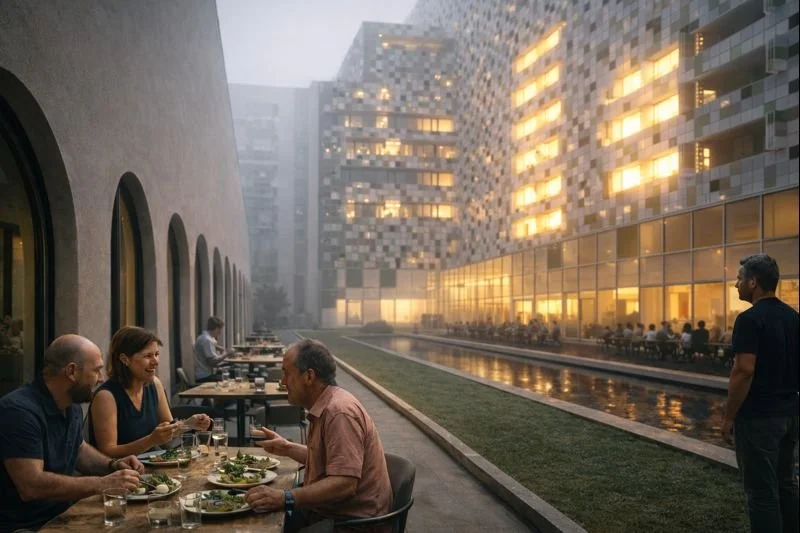
The Secret Garden whispers. A sanctuary nestled within the city

In addition, the facade gets superimposed with overlayed fragments of the existing buildings. Creating a gradient—London itself becomes a tile
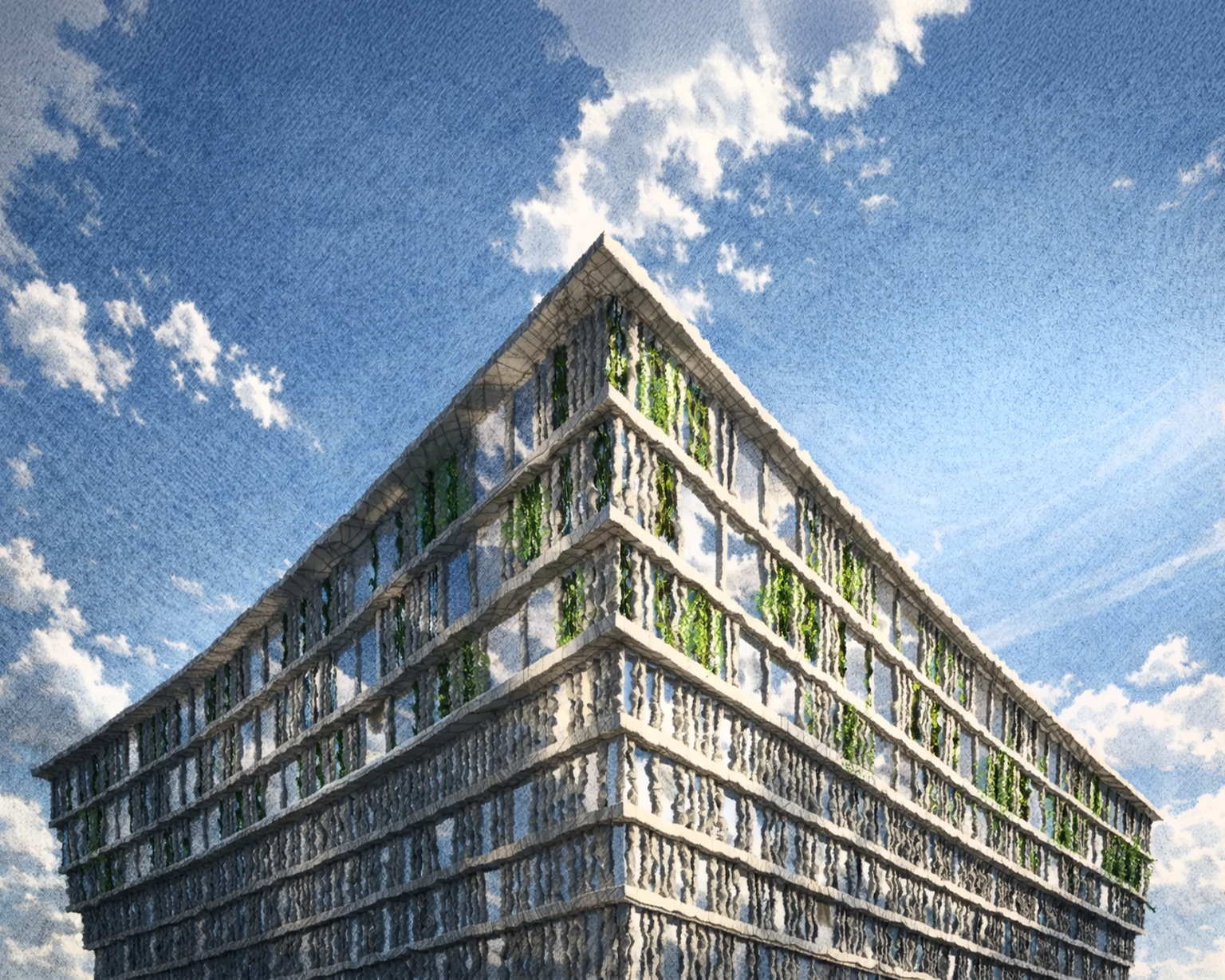
Elbhaus
Harvard GSD Hamburg Travel Studio / Regine Leibinger, Stefan Sauter
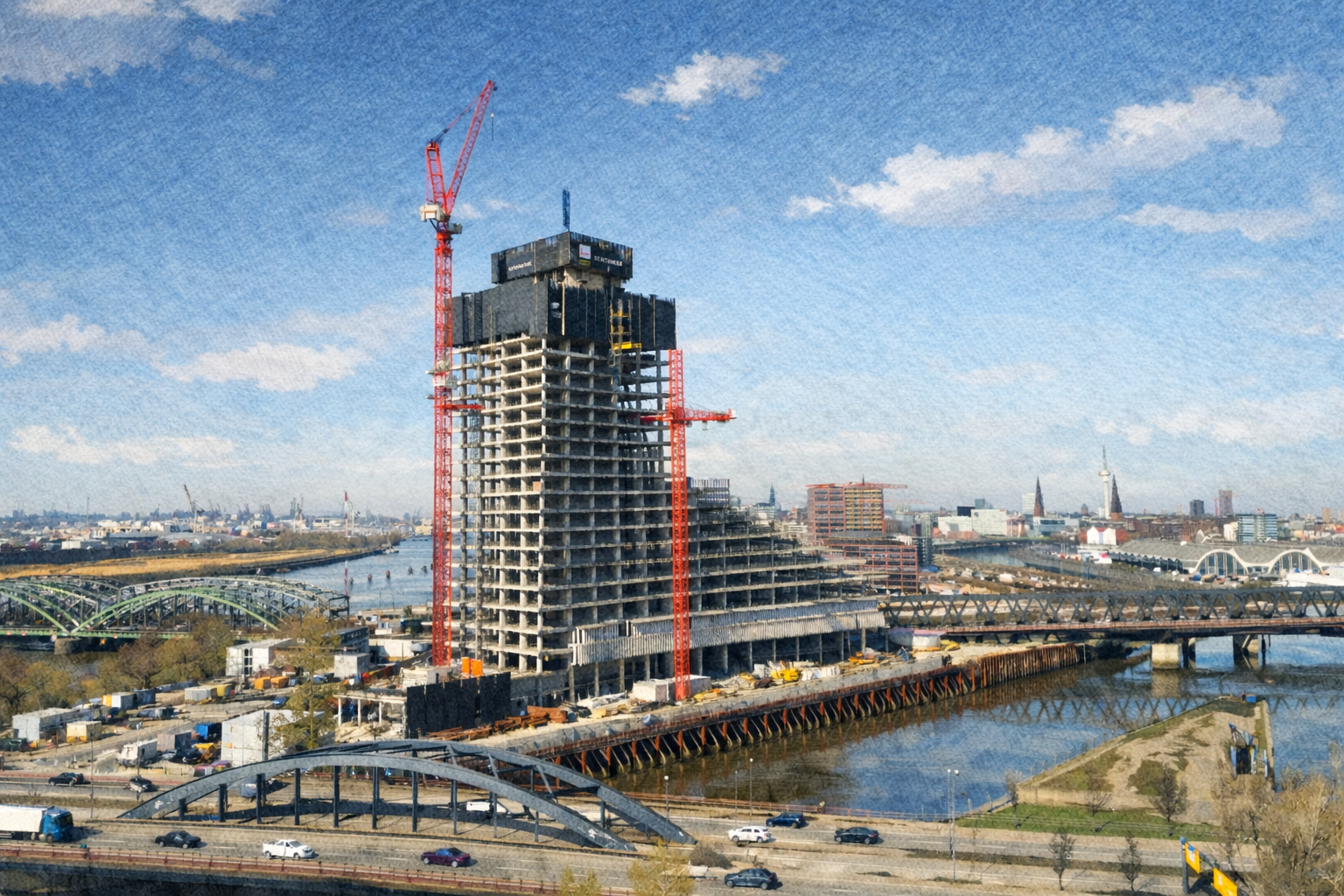
The Elbtower was conceived to showcase Hamburg’s momentum but now is a ruin. My project proposes a new use of it
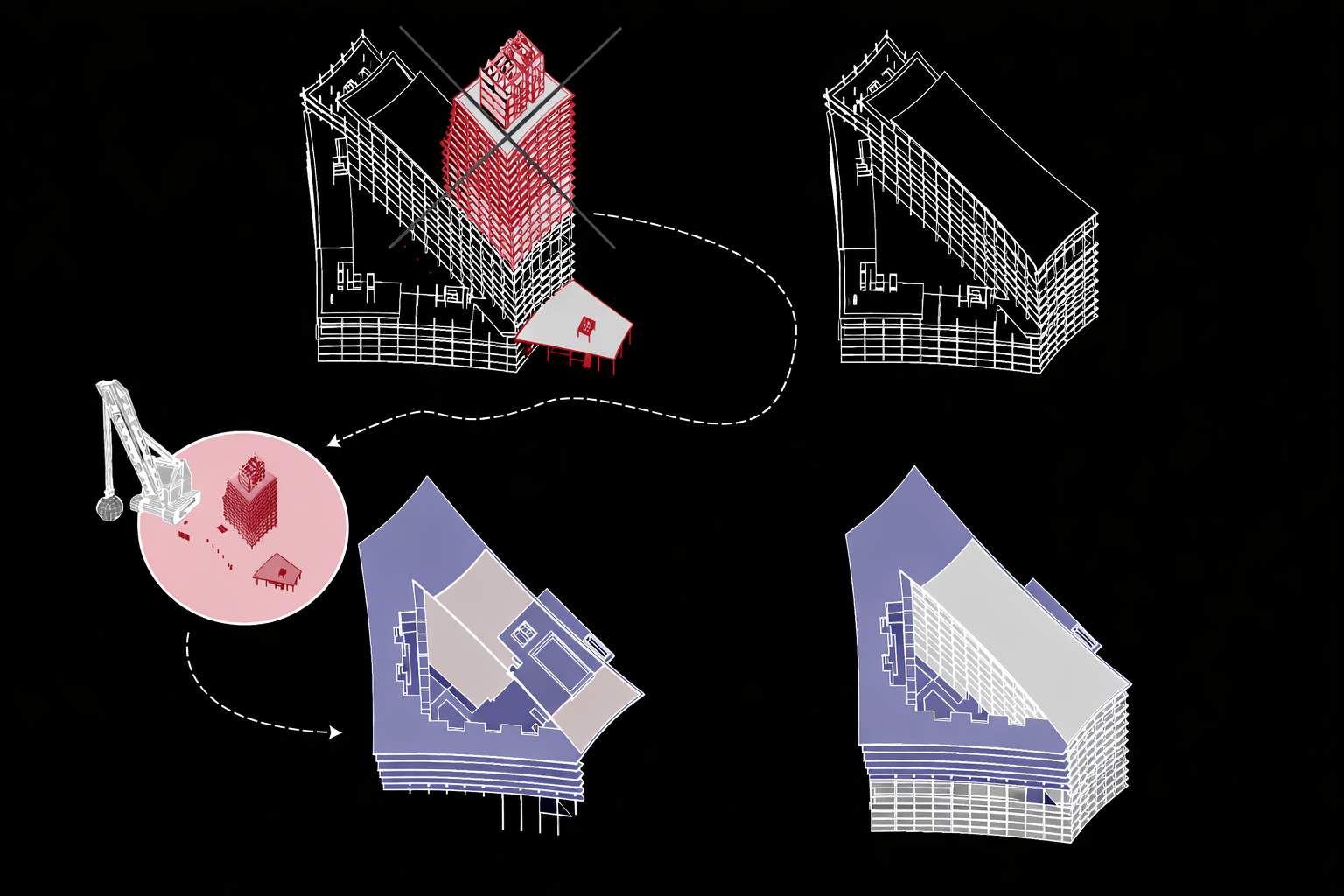
For this design, I demo the upper tower and use the ruble to cast a new block building that matches Hamburg’s local architecture
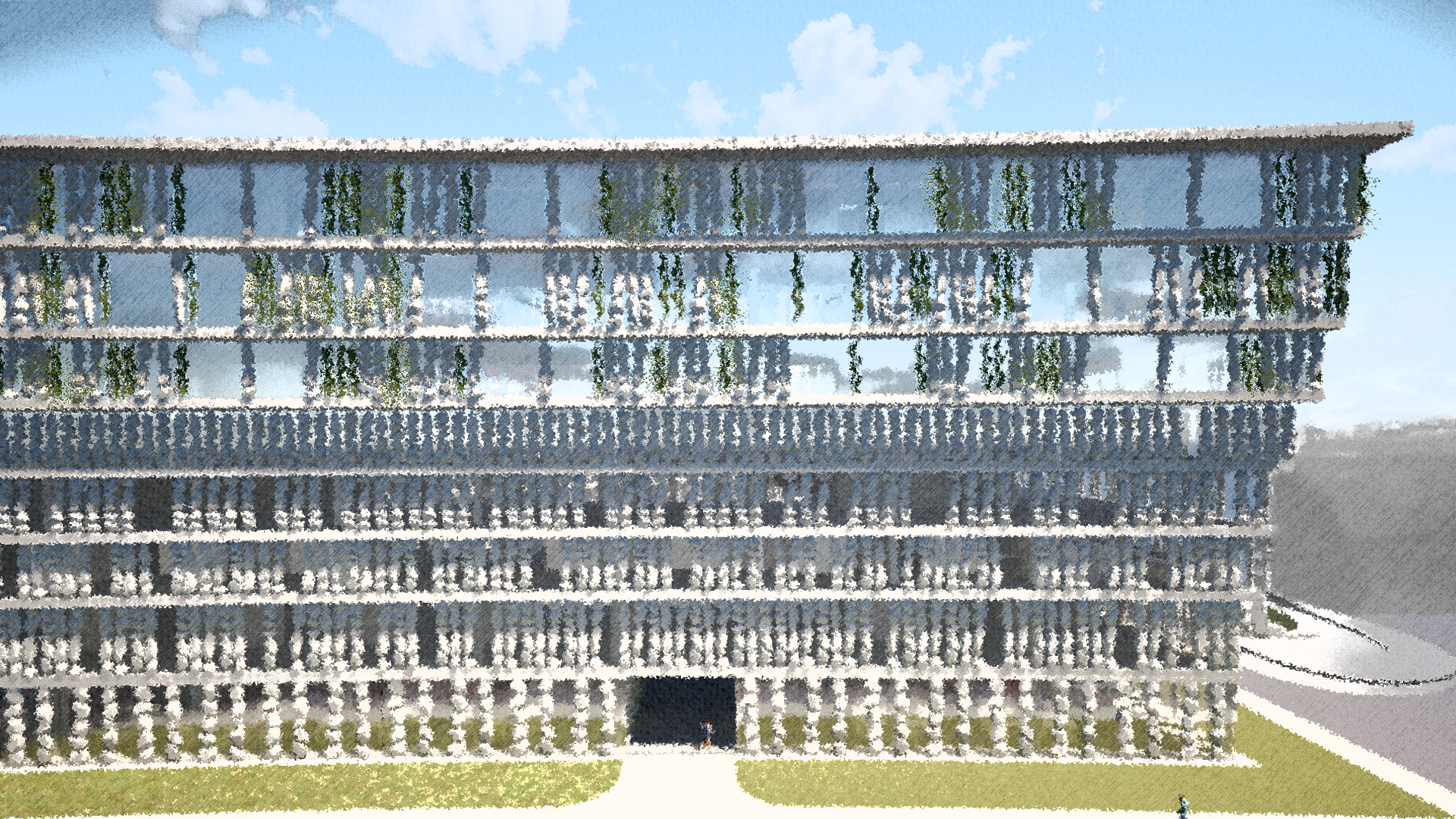
The result is "Elbhaus" an integrated social club that choices to match the scale of the Hamburg block
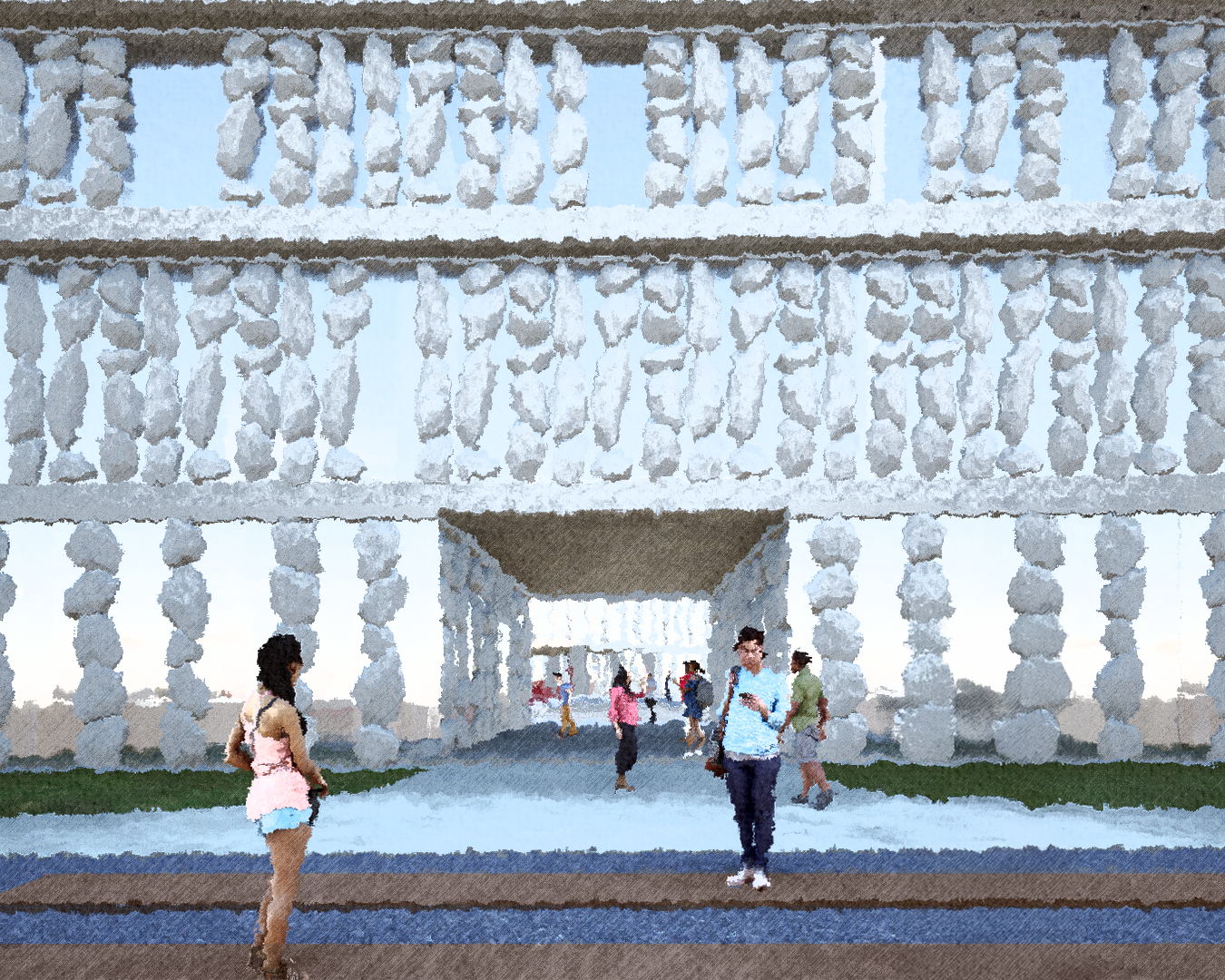
The project activates the ground floor from the use of these passage ways that pull you into the courtyard space
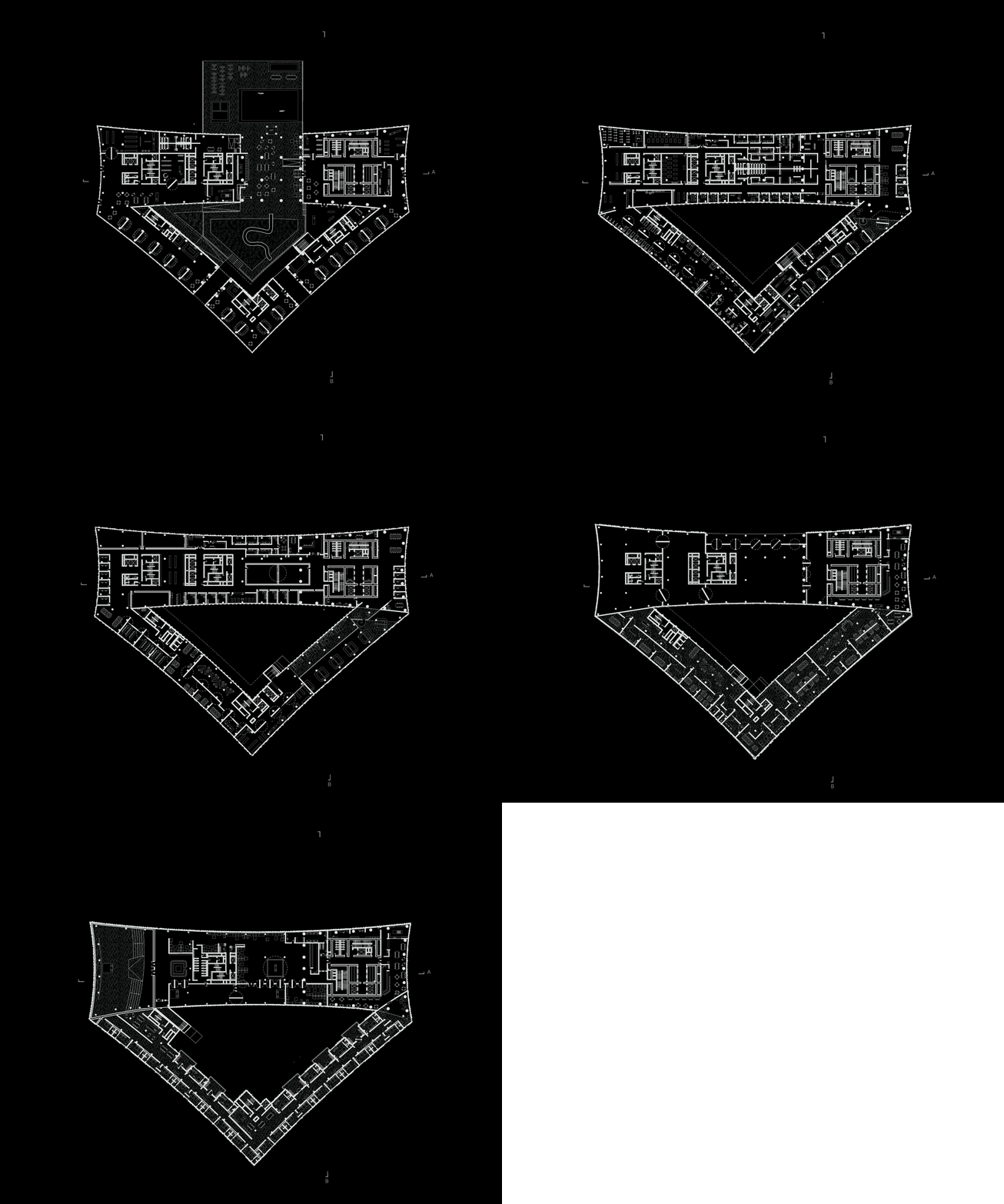
The space transitions from a public market on the ground floor to a gym, rental venues, a hotel, and a rooftop club
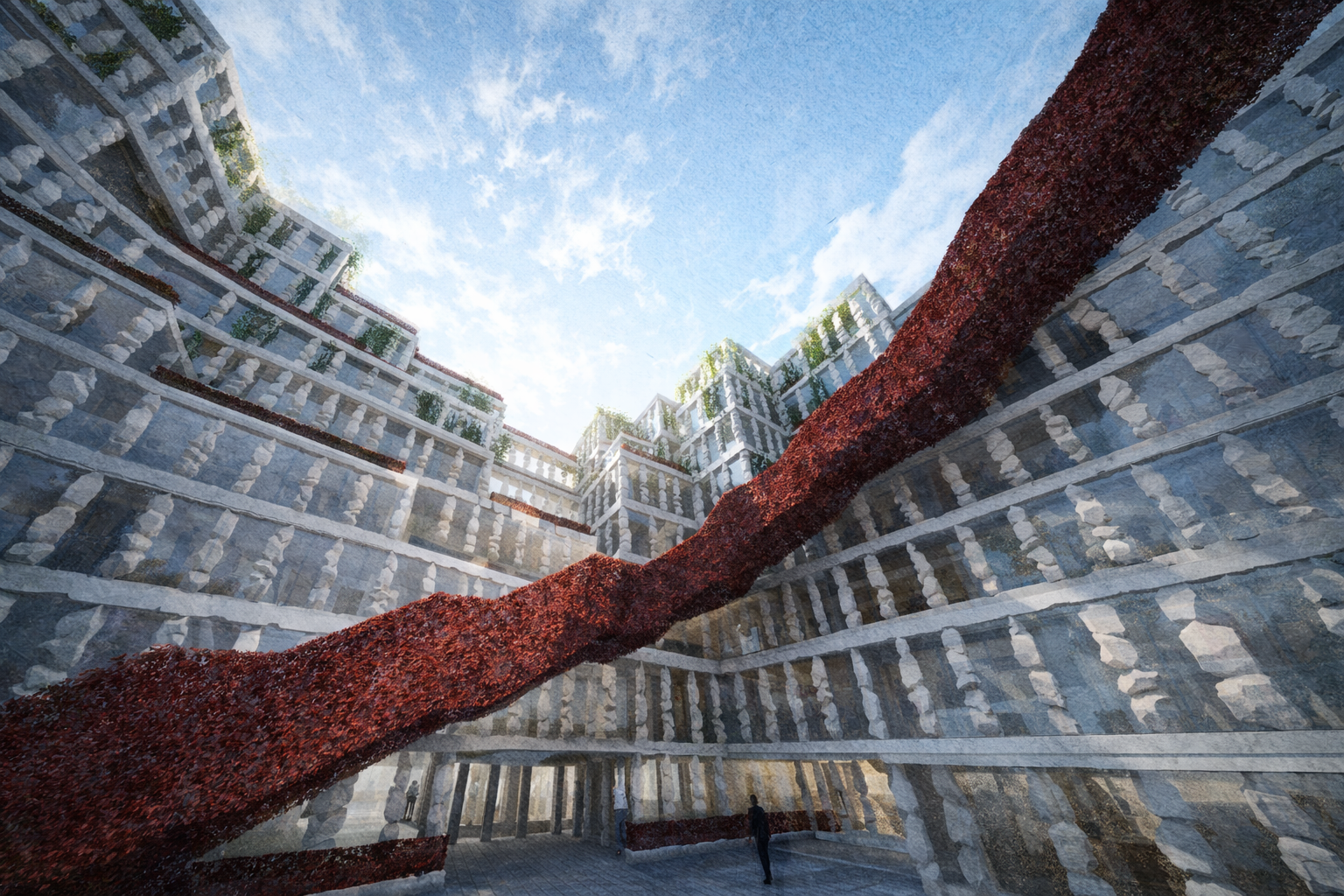
Leading you to a grand stair and the pool deck of the project
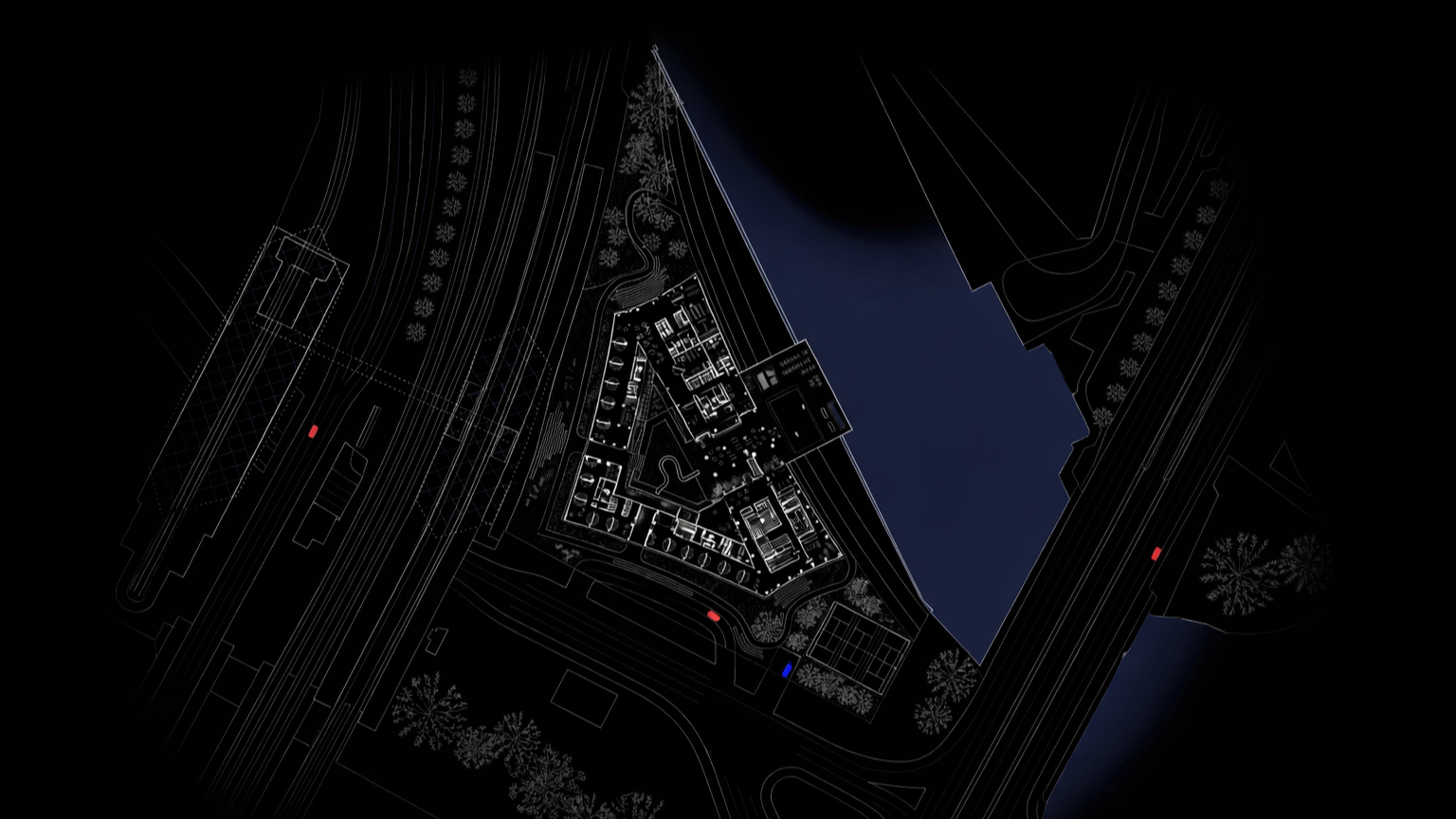
The building’s narrow courtyard reflects traditional Hamburg style. The building also engages with the water by a extended pool deck
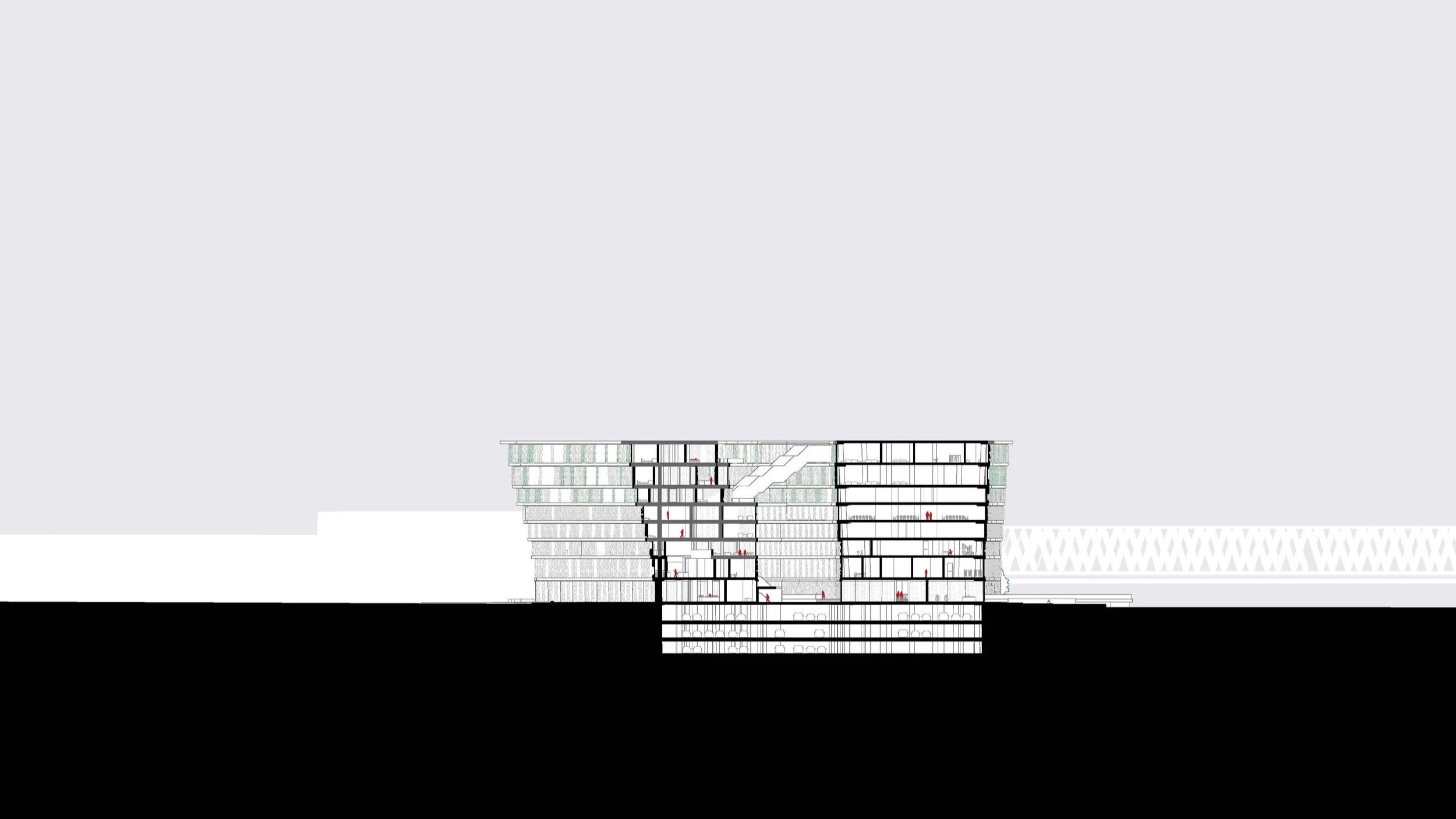
The project grows around this courtyard and steps away on its left side to allow for light to sink into the tight courtyard
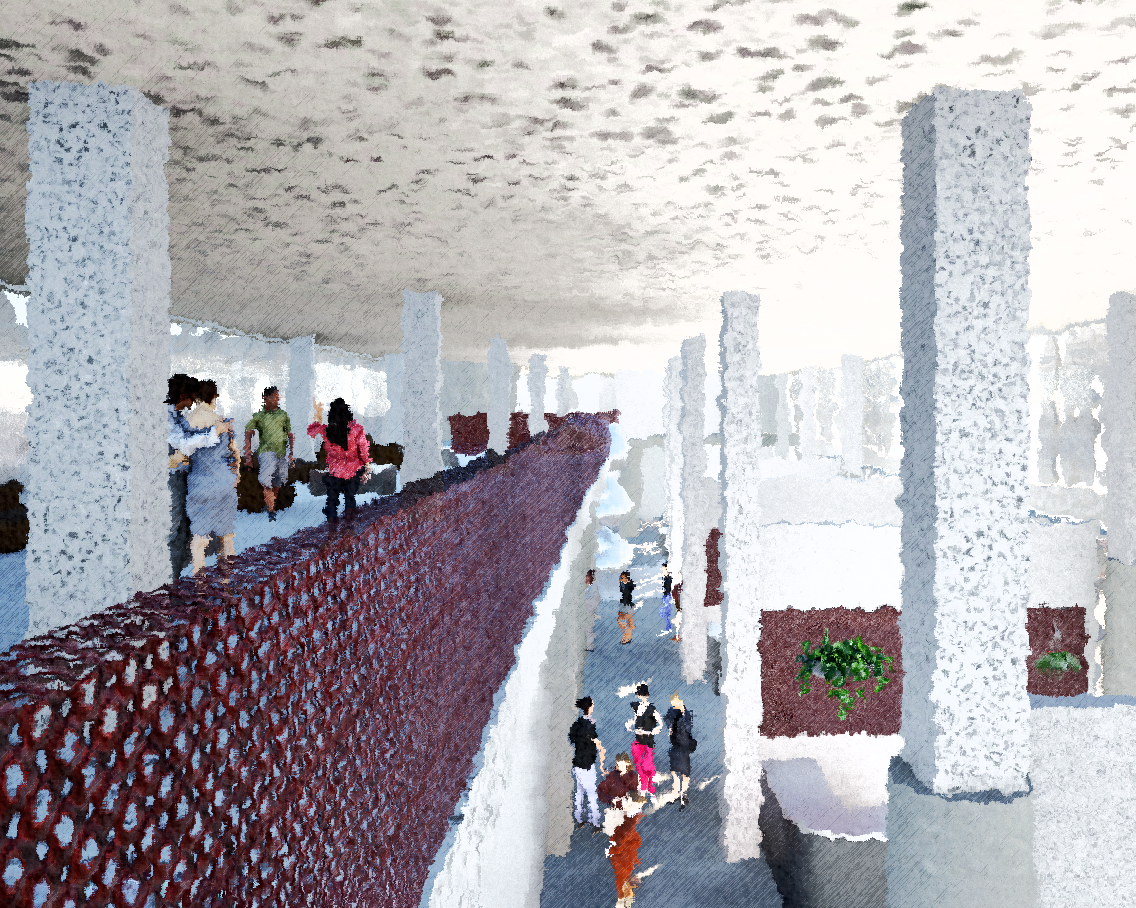
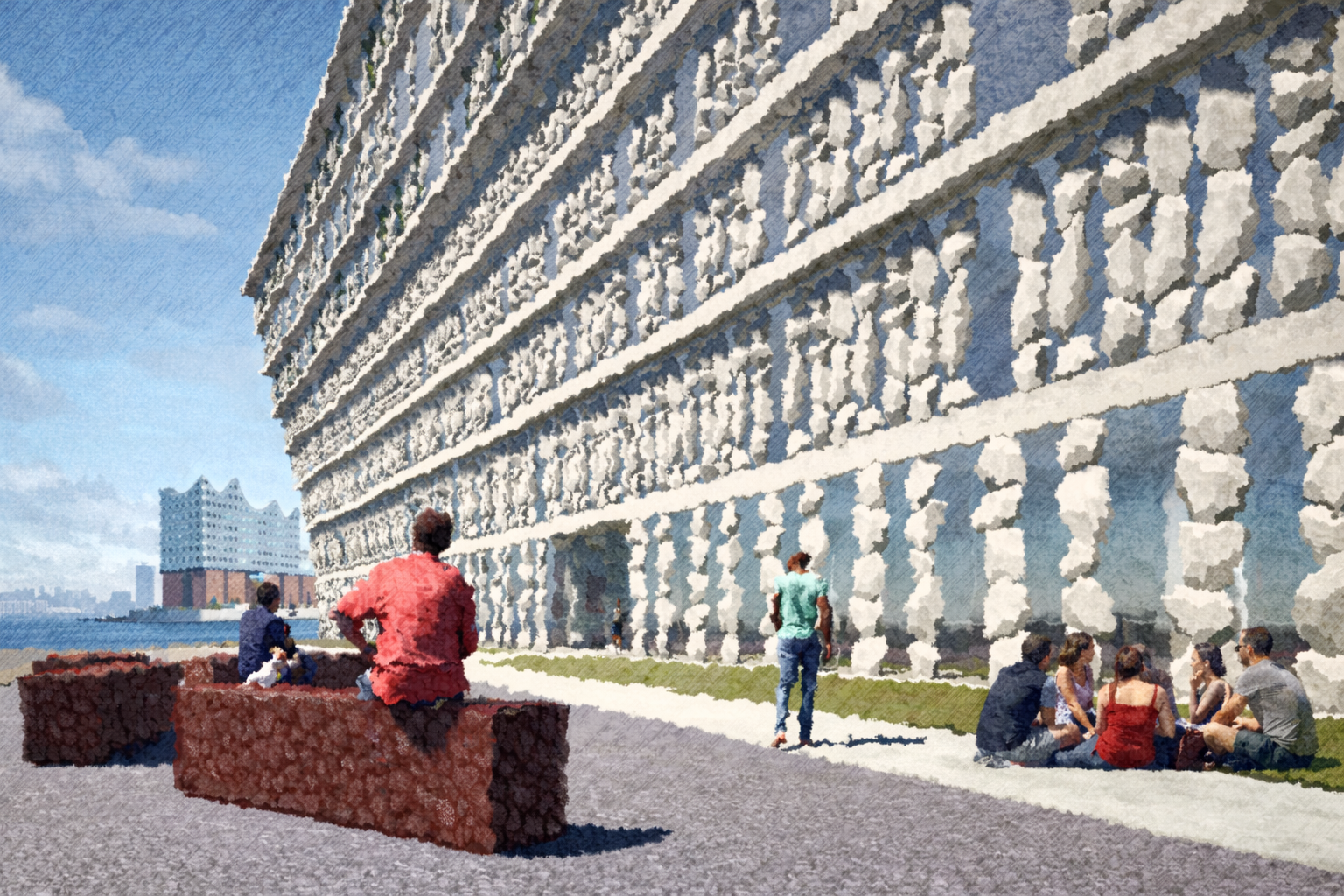
Here, old meets new. The textured concrete and square columns are cast from the debris of the previous structure, giving reality to the old and new

Within the previously used elevator cores the shafts get adapted in two different ways. Pictured here is a rock climbing wall
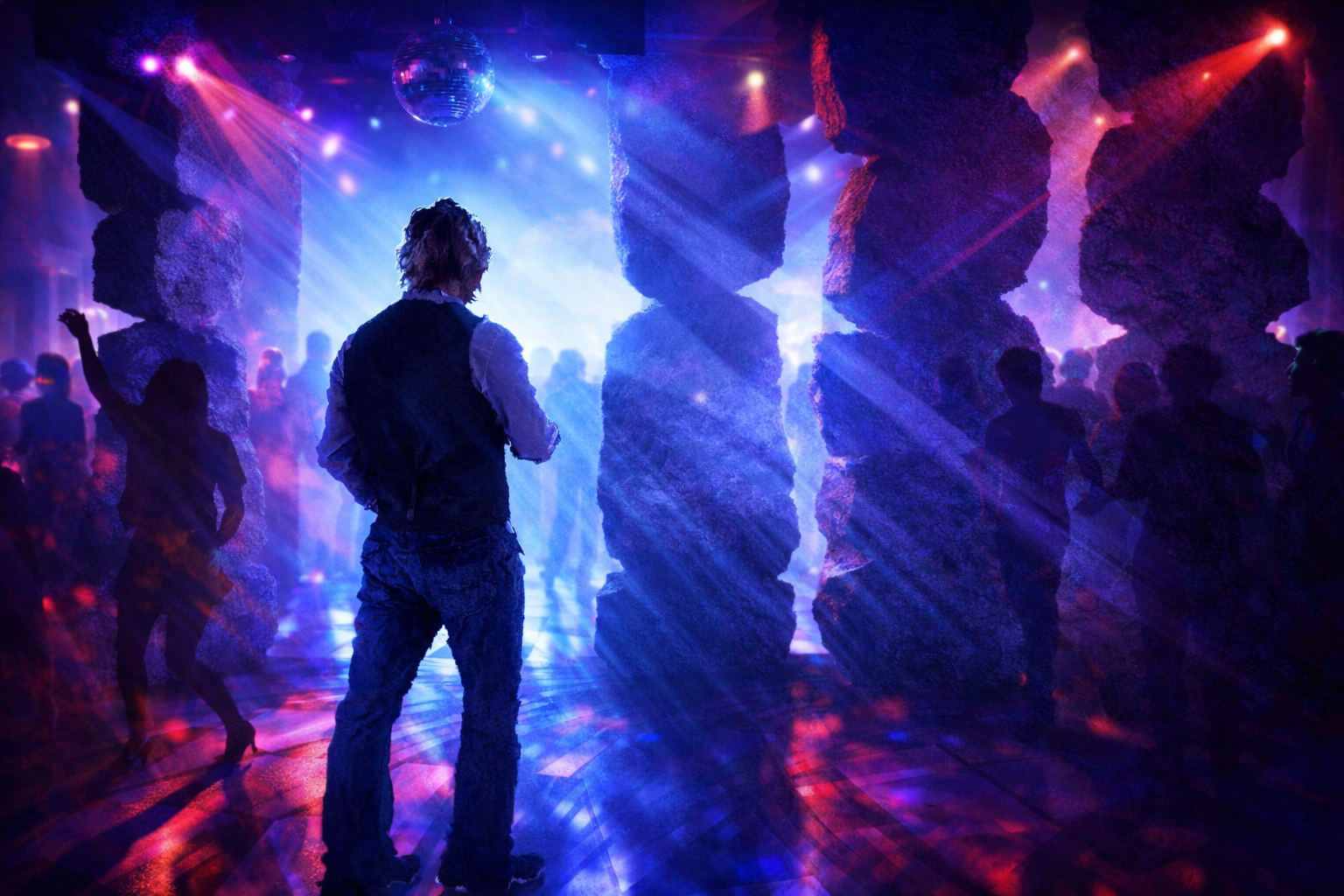
Cast in the rubble is integratio,n and here you can see the top floor club

The building's facade is constructed from rubble from the demolition of the existing structure, as well as from unused materials
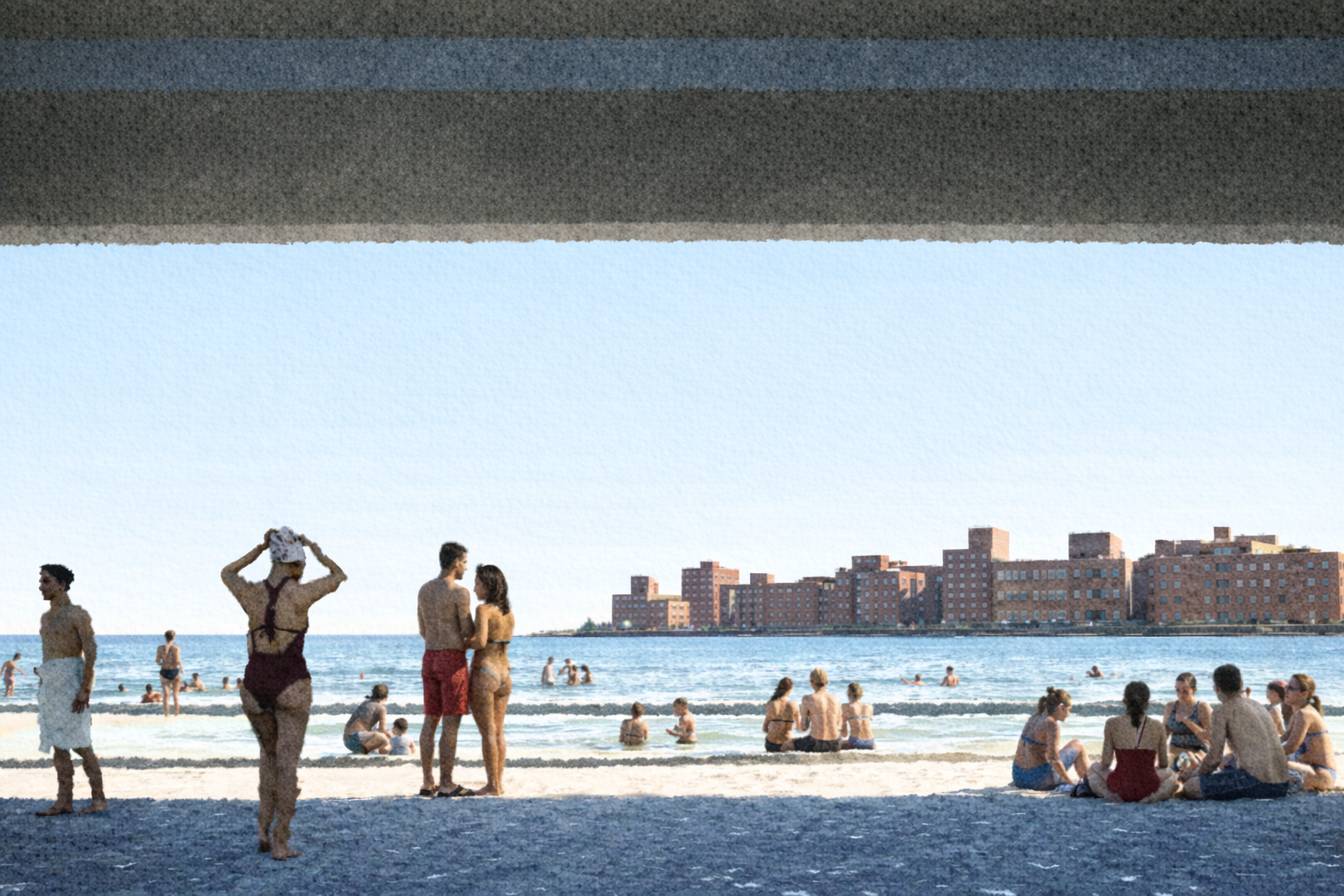
At times, the building feels like an island. However, its layouts frames your view, constantly pulling your attention back to the scale of the city
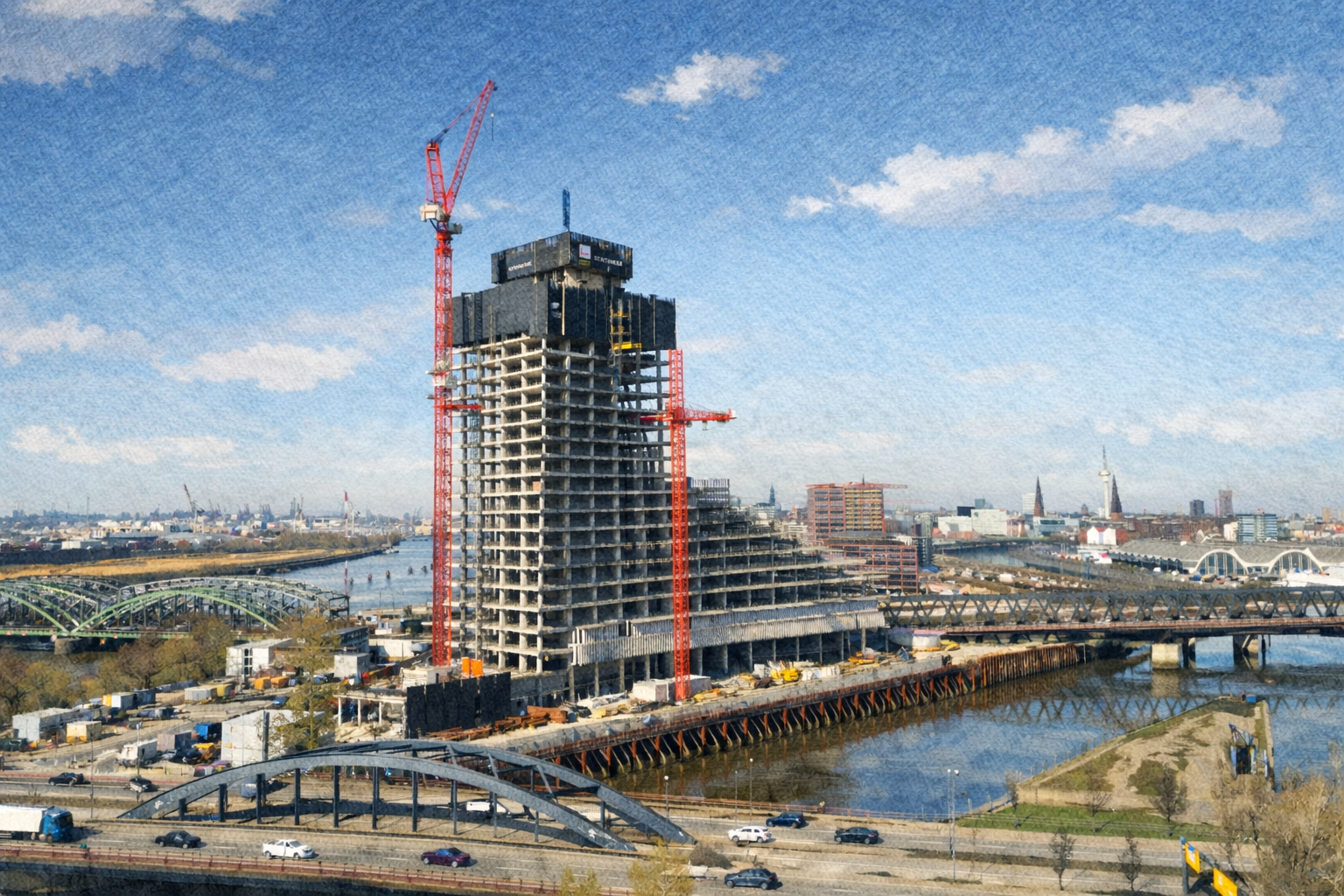
This building is a new icon that brings the community together, proving that leisure is a right for everyone, not just a status symbol for a few

The Billboard House
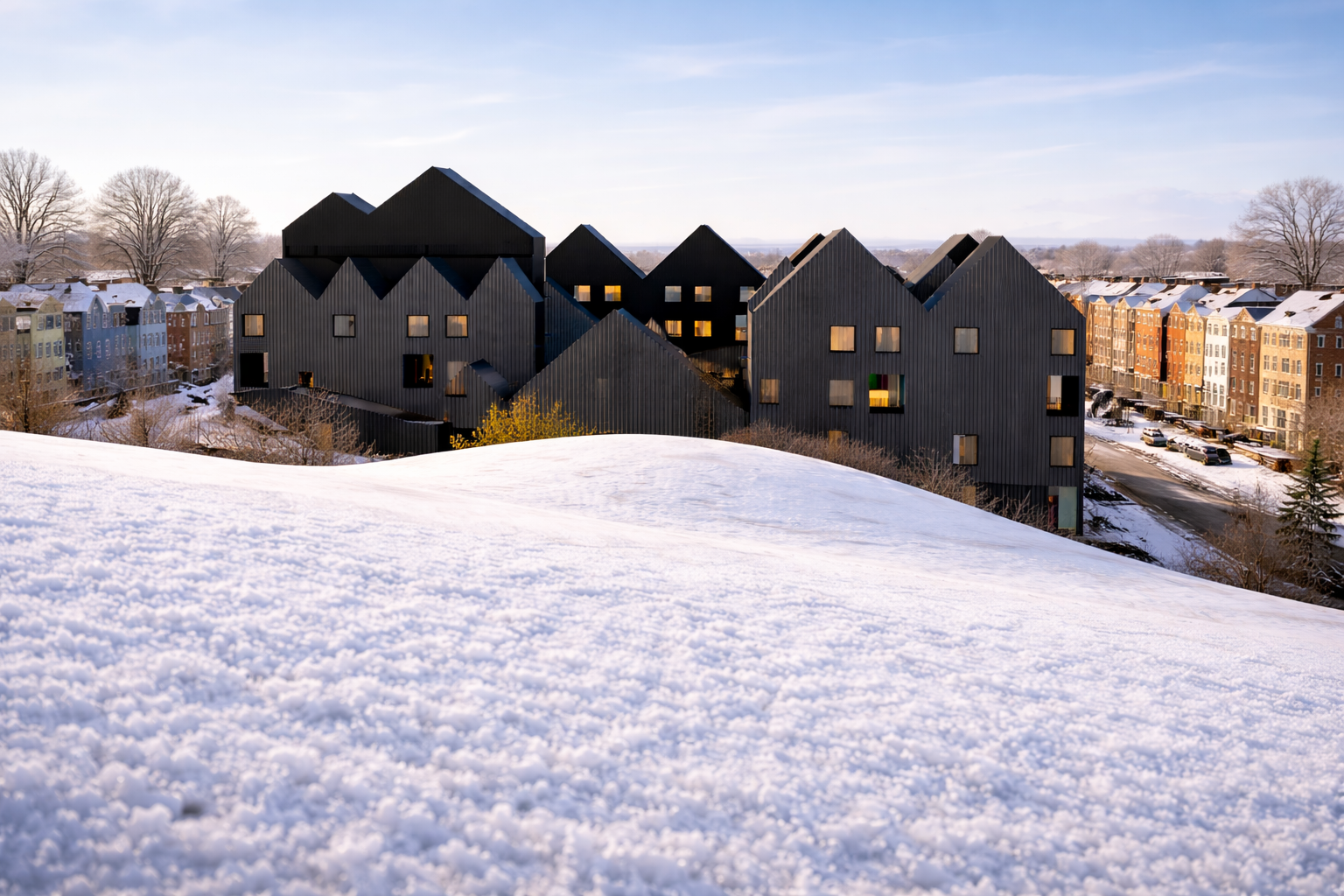
Harvard GSD Core 3 / Elizabeth Whittaker / Partner: Fia Shafiyya
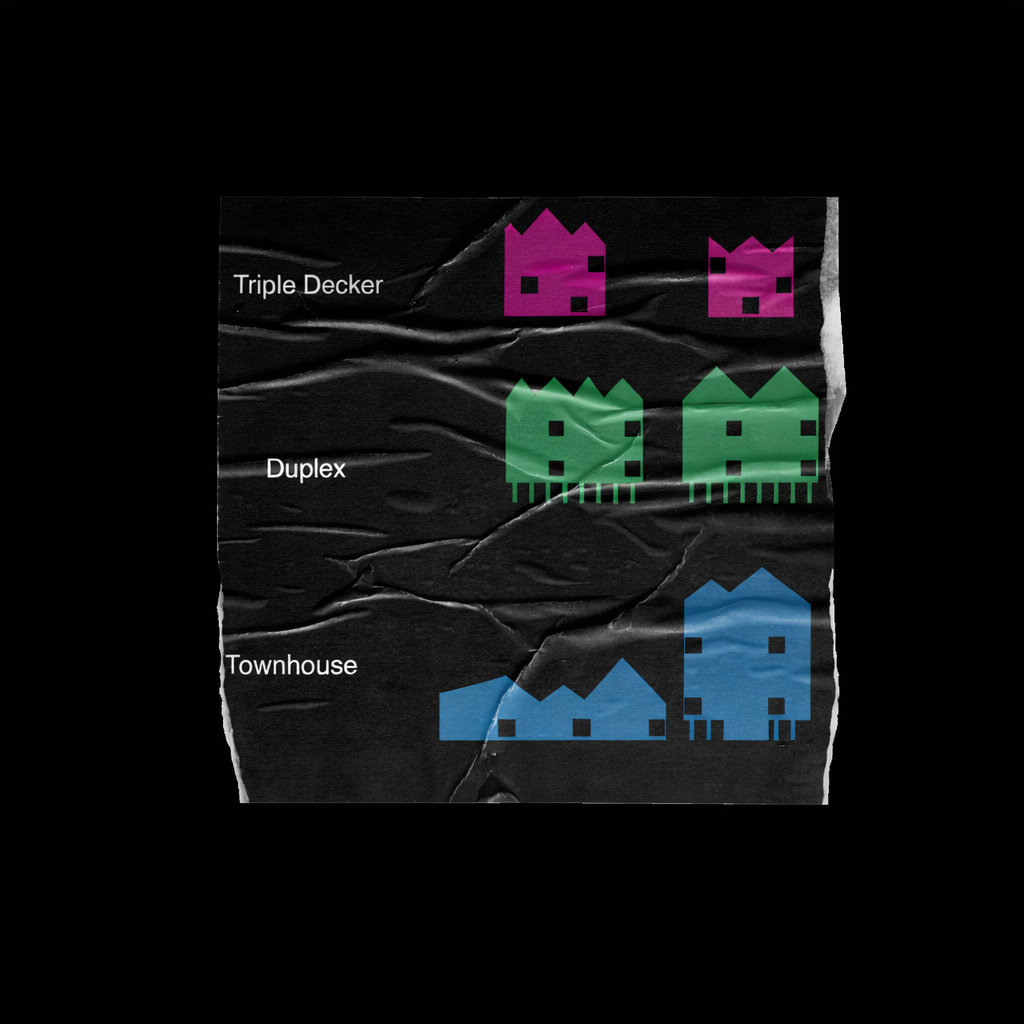
The project takes three housing typologies to transform Chelsea Ma into the site that investigates "what it means to live in a billboard?"
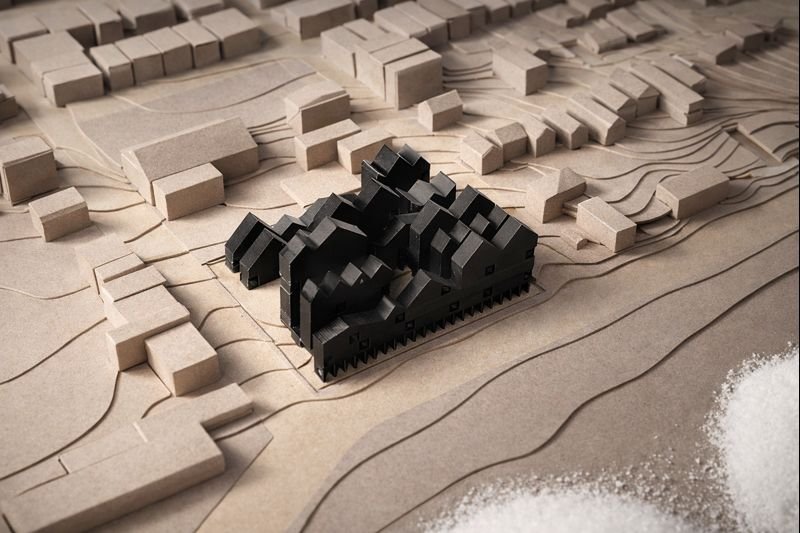
The design uses a mix of low-rise and high-rise shapes to respond to the massive salt storage facility across the street
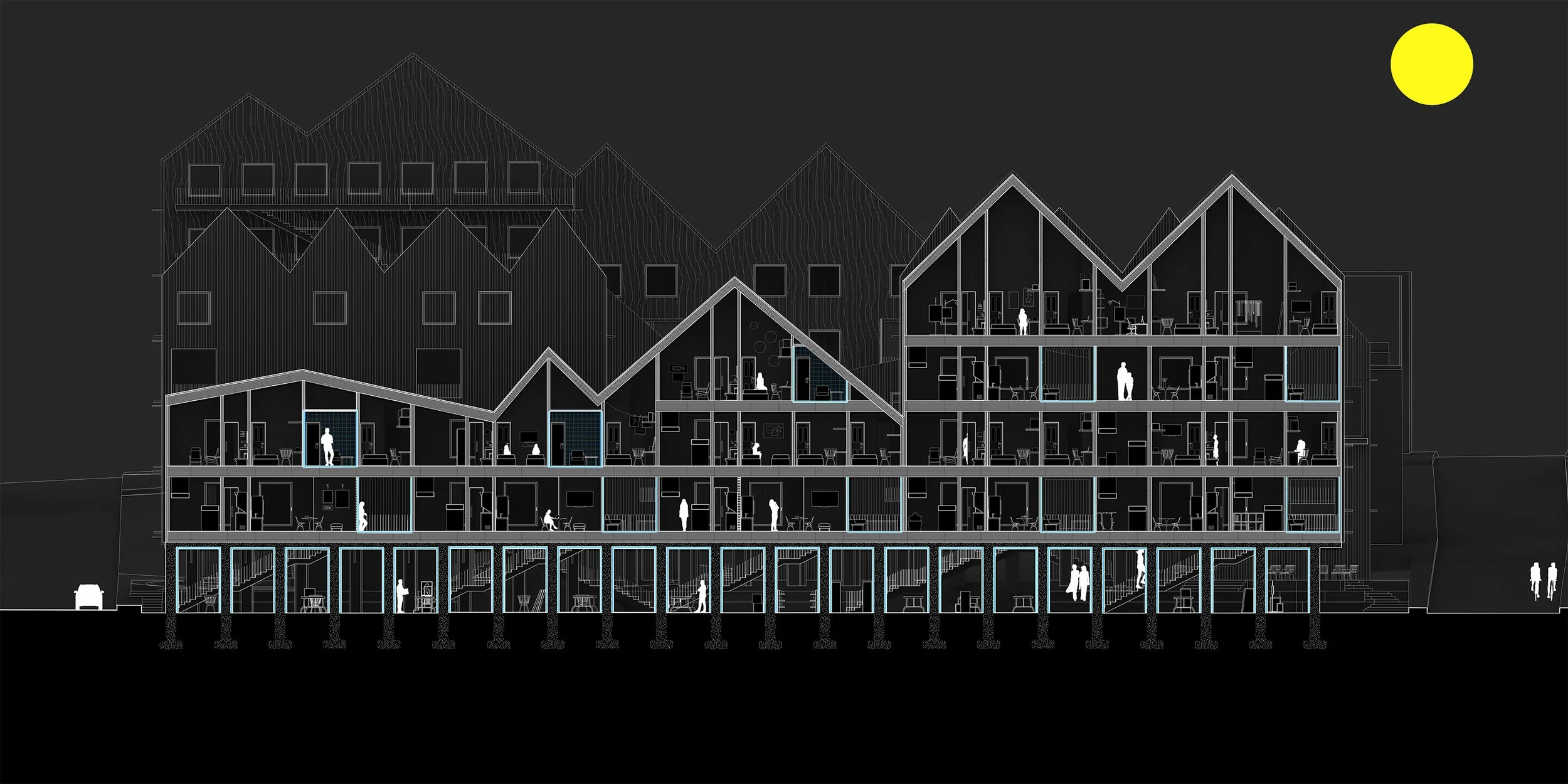
The building features a market-stall base that supports the housing levels above
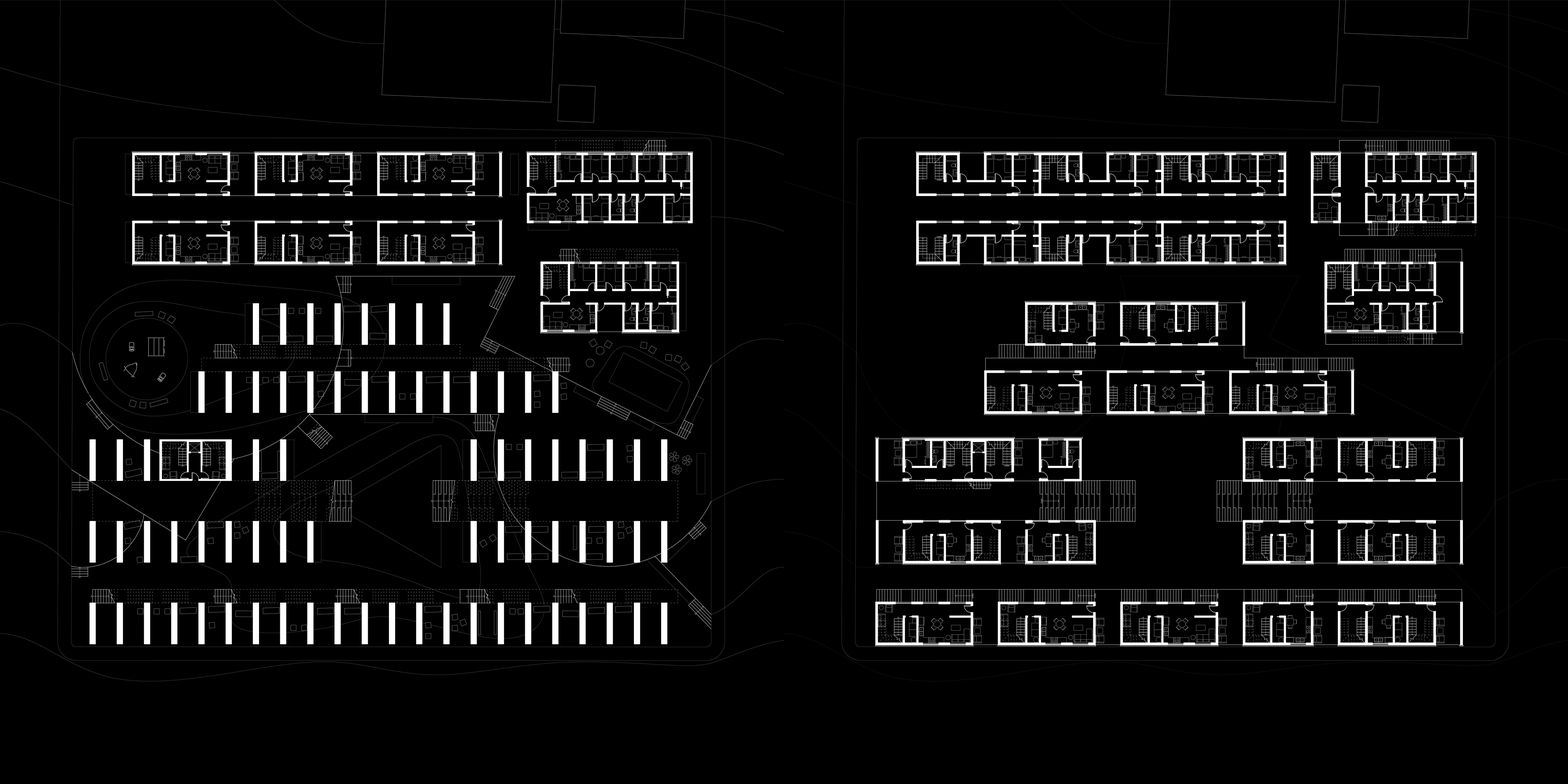
Here you can see how we combined different unit types, merging duplexes and townhouses into a unified building
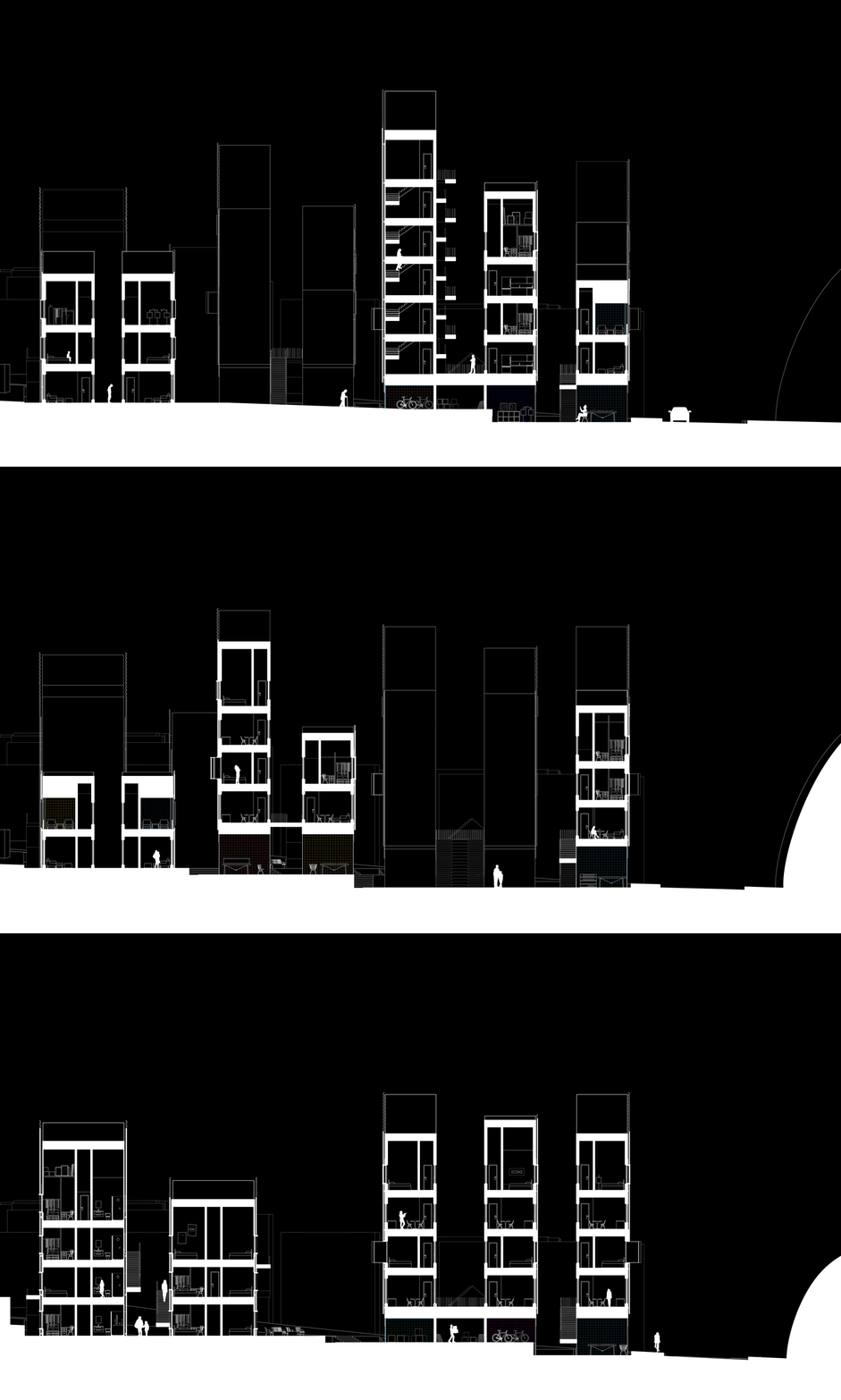
While the building appears solid from above, the staggered sections allow for gaps that bring in light and air, making the structure feel more open
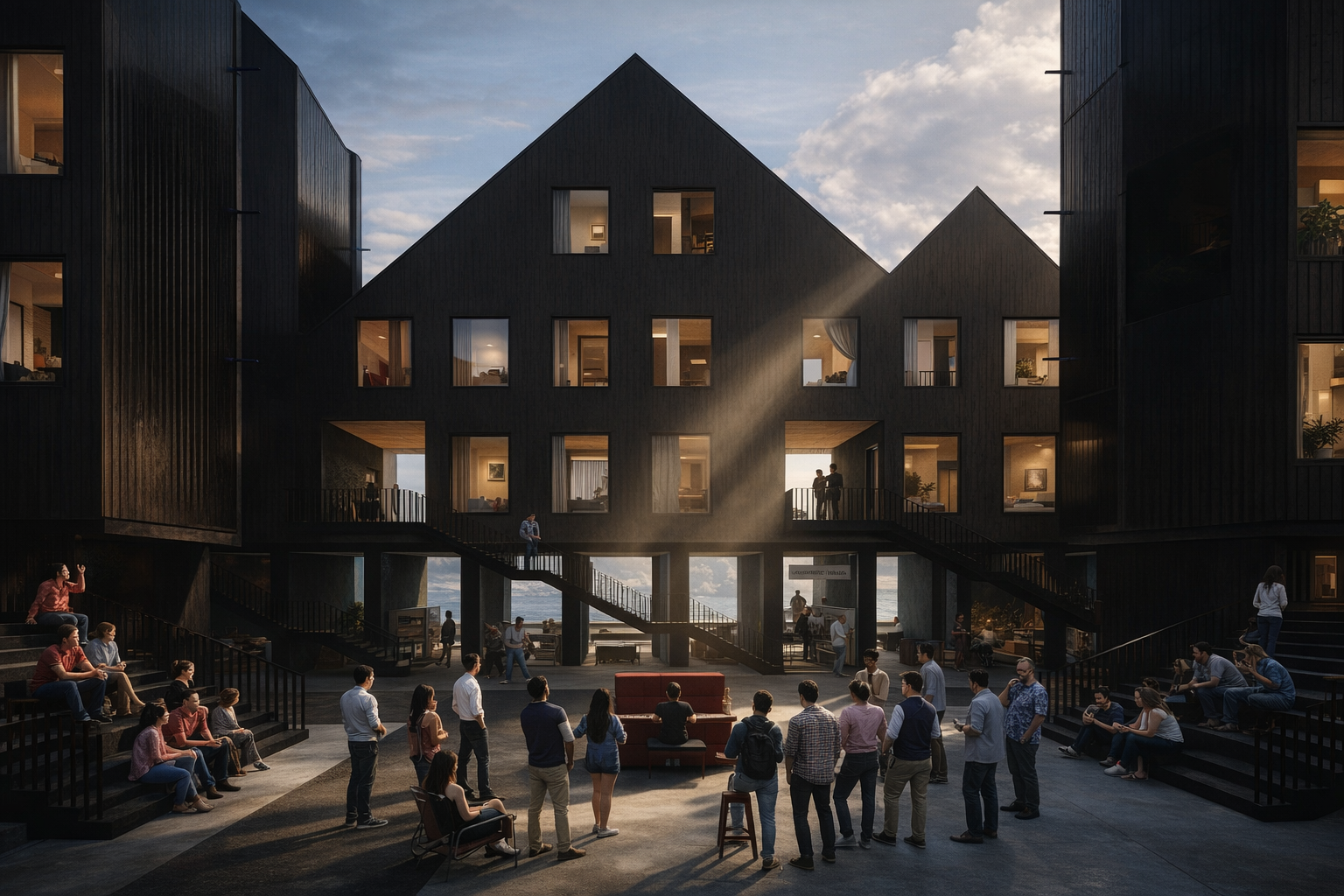
The main central spaces of the project host an event space used for the markets and other public activities
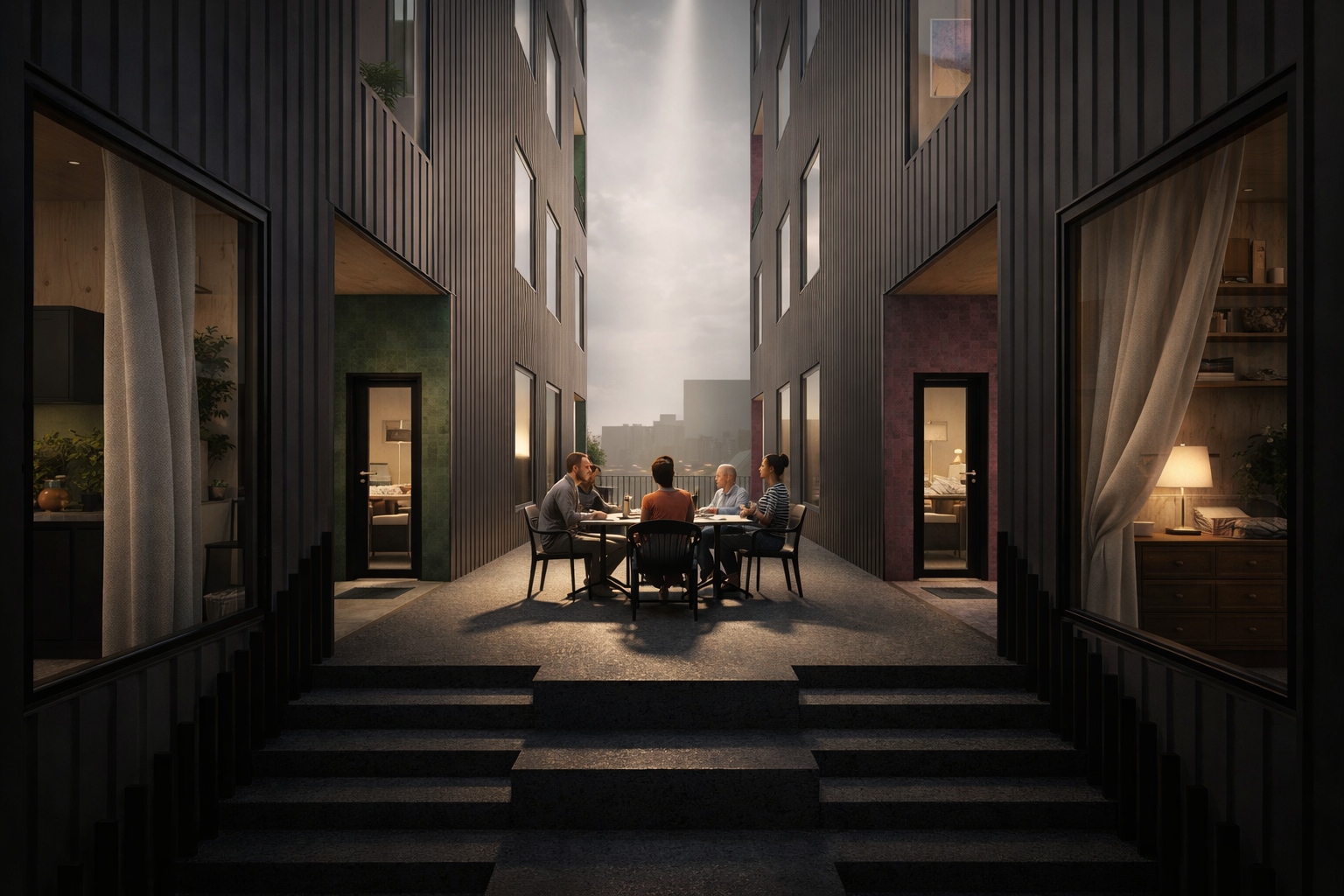
Shared stairs and landings help connect neighbors, turning a dense building into a social community
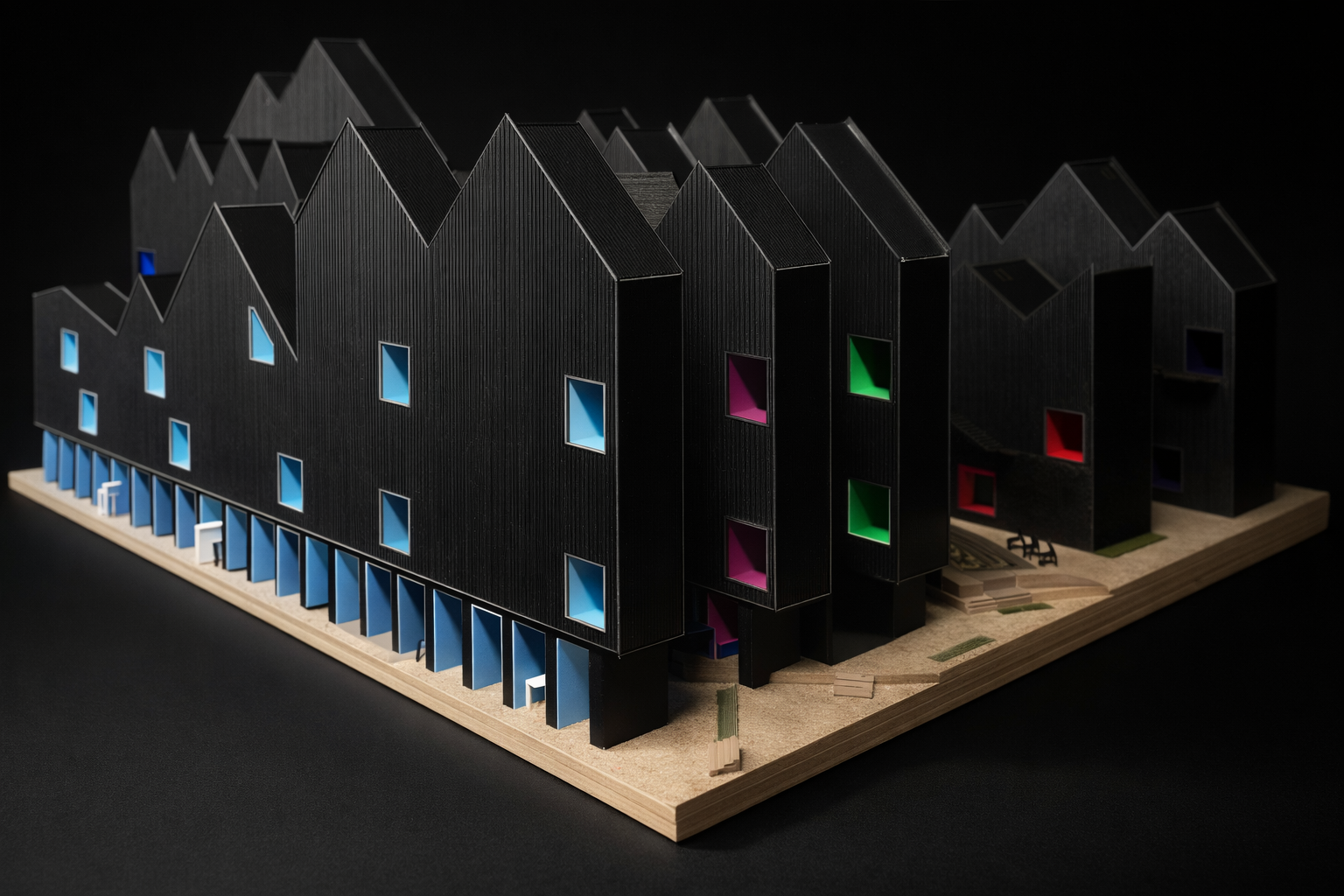
The building uses color-coding to help people find their way and to integrate the different rows of buildings
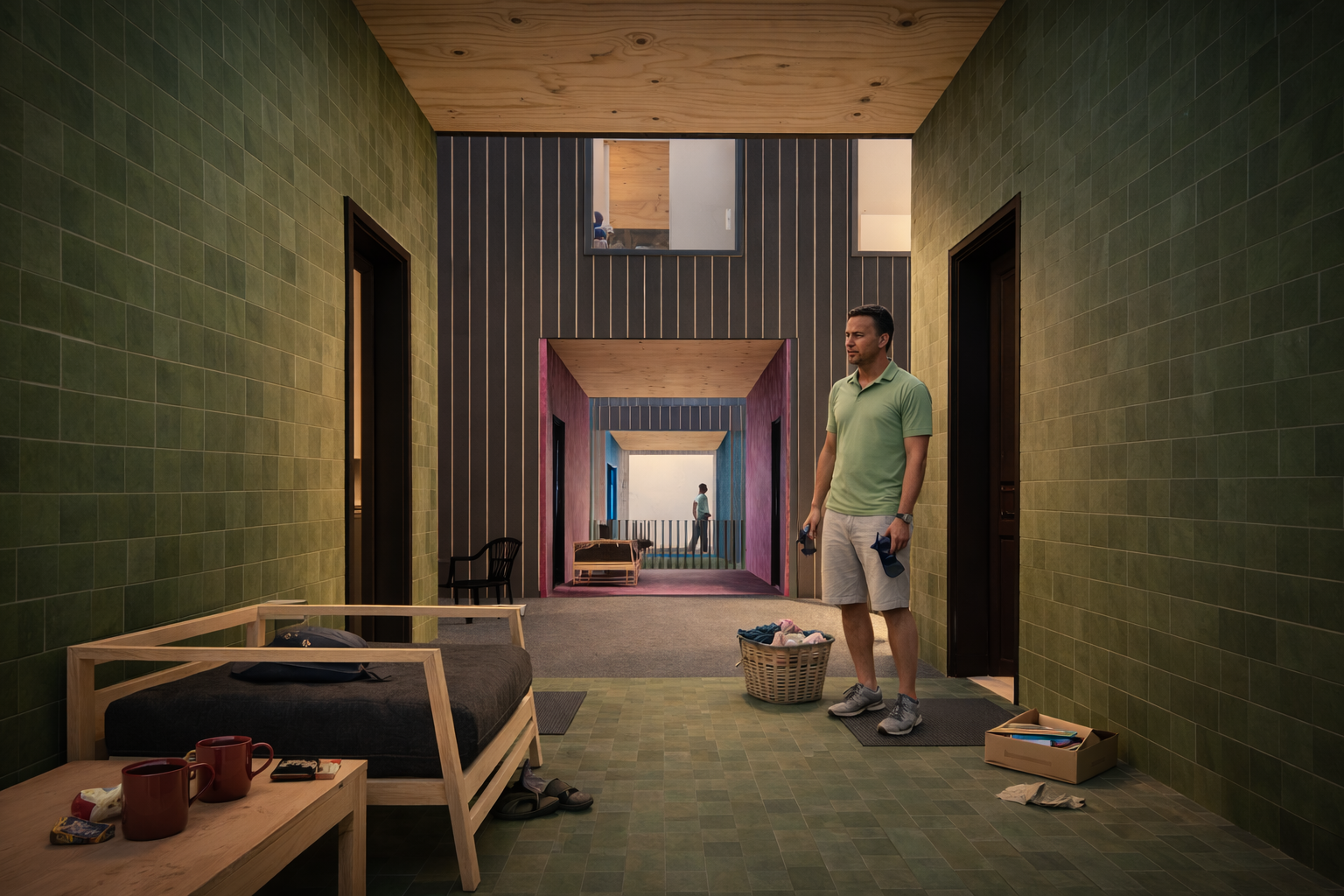
As you enter or leave, open spaces between the units provide views across the building, creating a sense of closeness and community
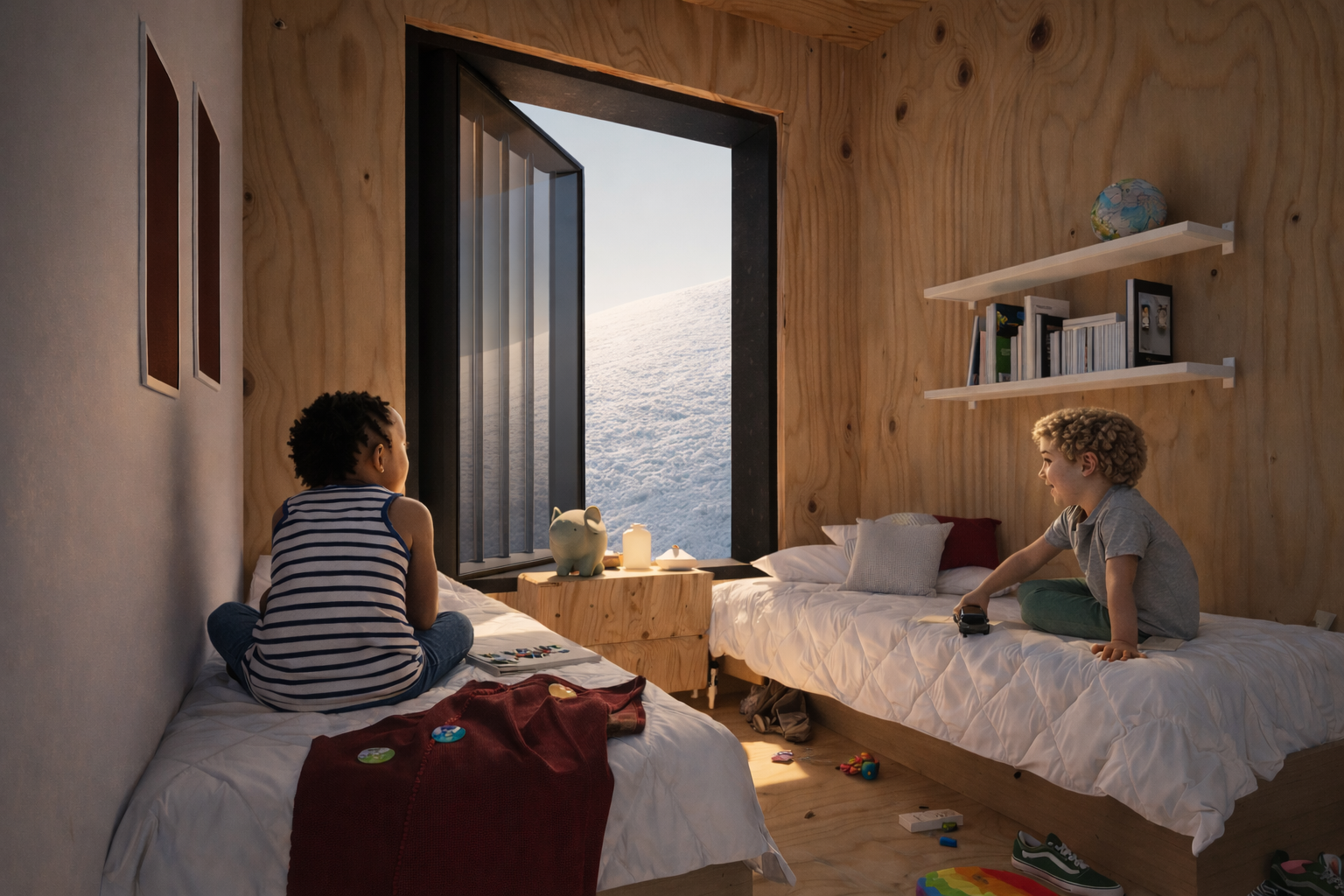
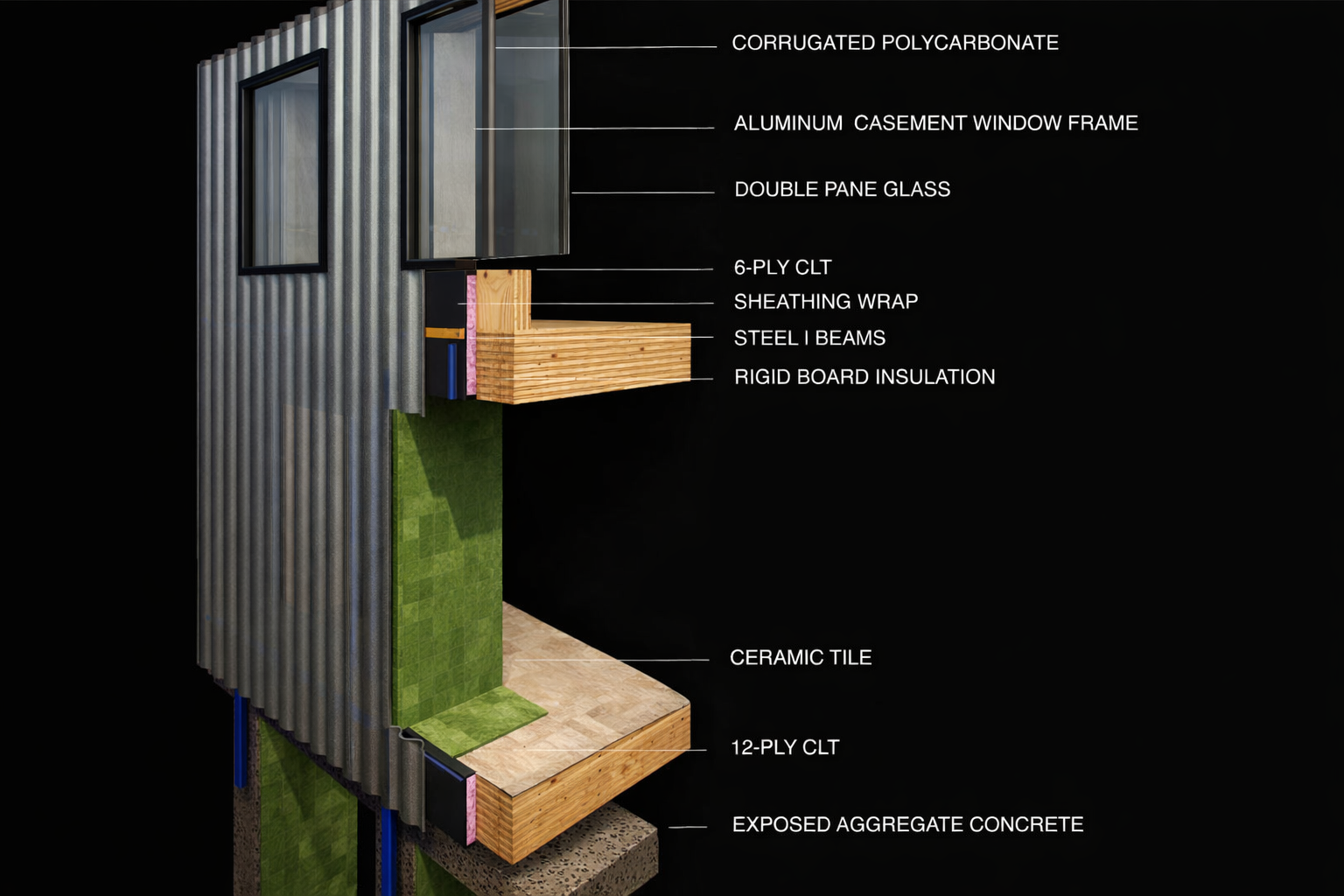
The operable windows make the compact living spaces feel much larger and more open
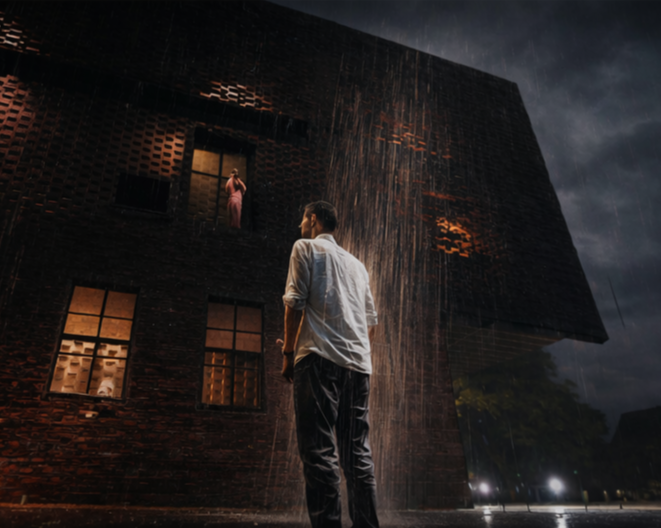
The High Peasant House

Harvard GSD Core 1 / Jenny French
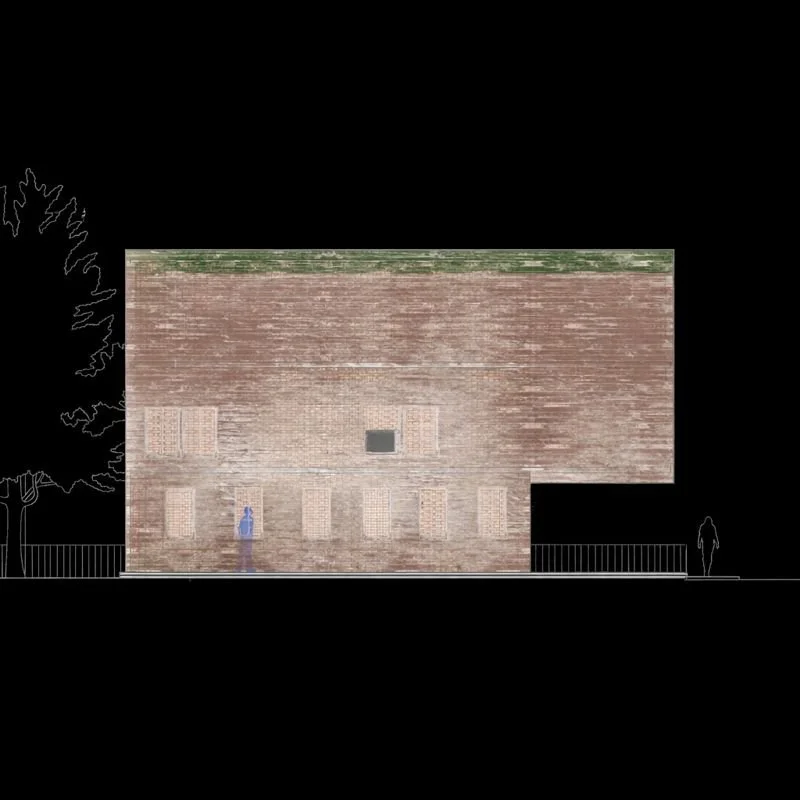
The project follows a 'high peasant' aesthetic—similar to a Balenciaga shoe—where the design is high-end and expensive, but uses a raw, rugged look as a status symbol
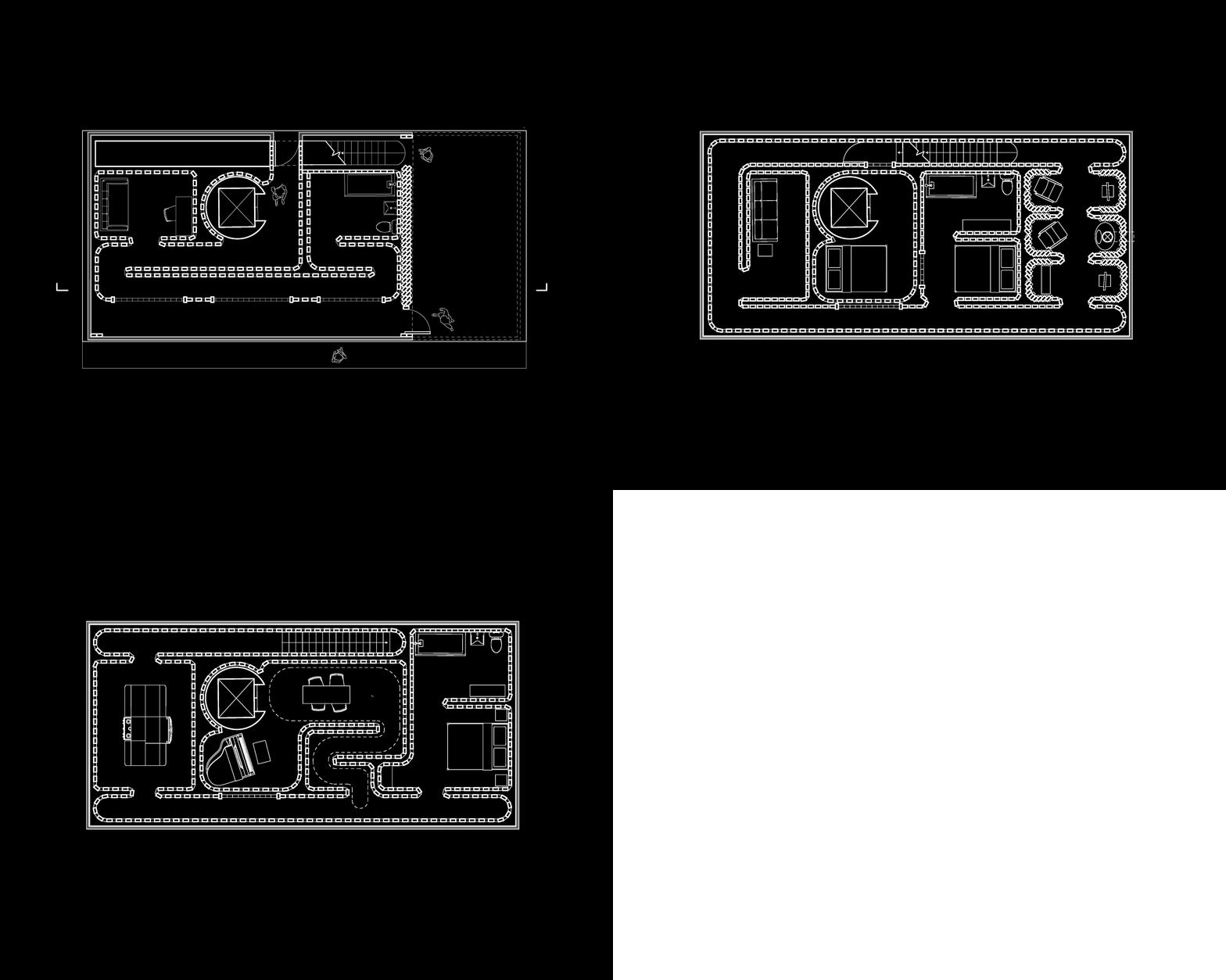
This project explores social class through architecture. A central family unit is wrapped by a higher-end residence, creating a layout where the luxury exterior observes the life within the center
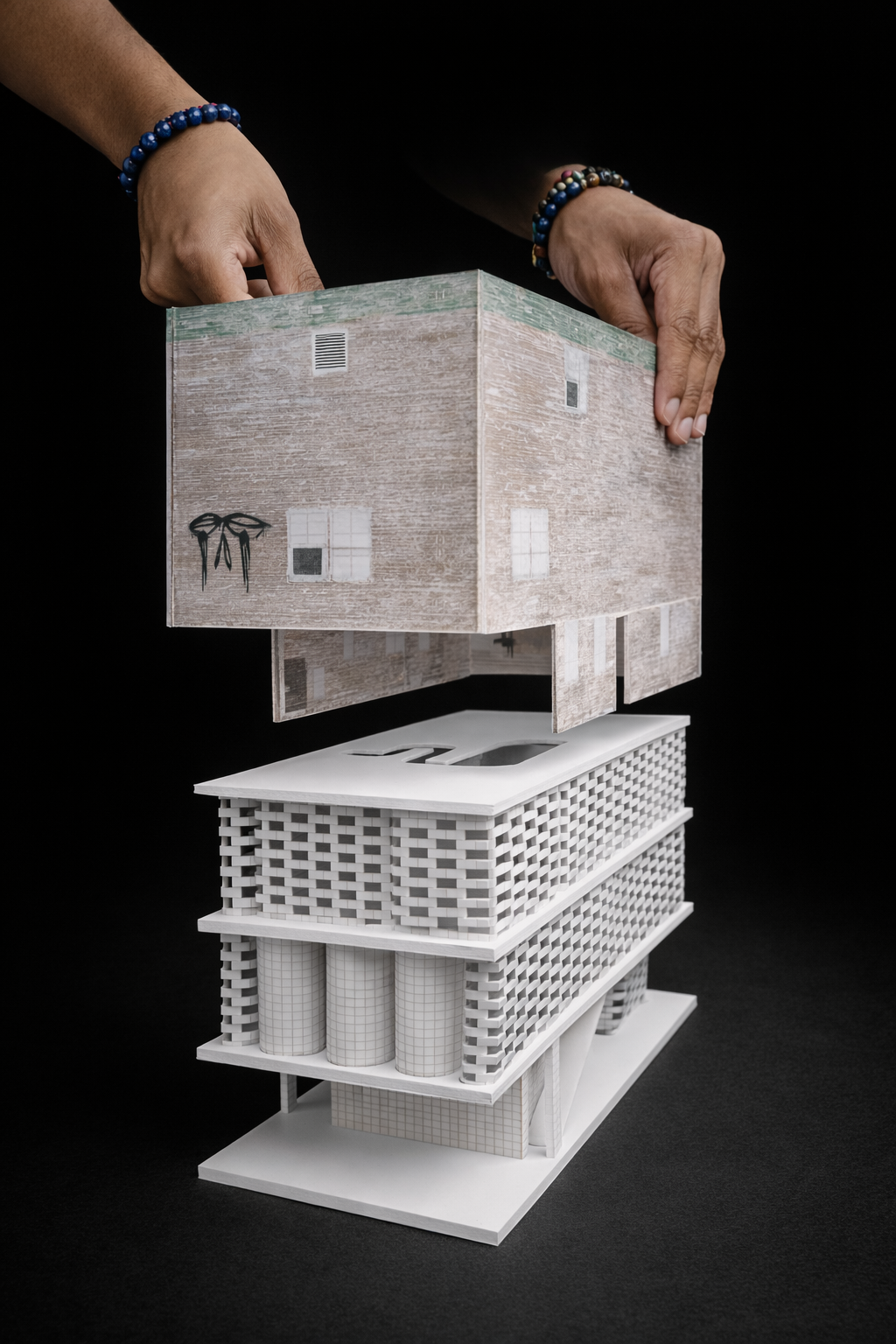
The building’s facade is made of printed glass that mimics the look of a 'run-down' structure, while the interior is finished in porus exposed brick
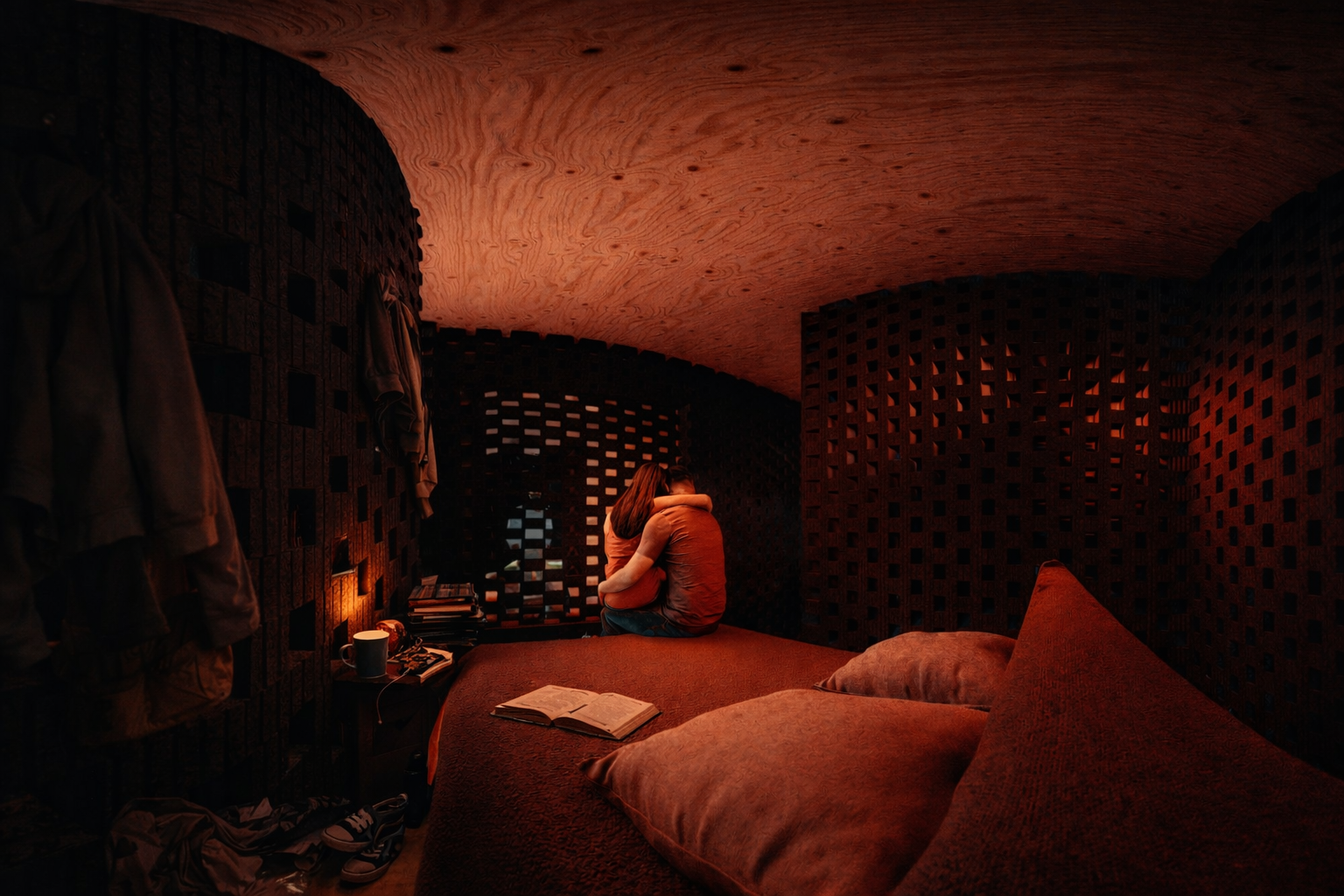
The use of perforated brick inside the homes facilitates the surveillance concept, creating sightlines between the different living spaces
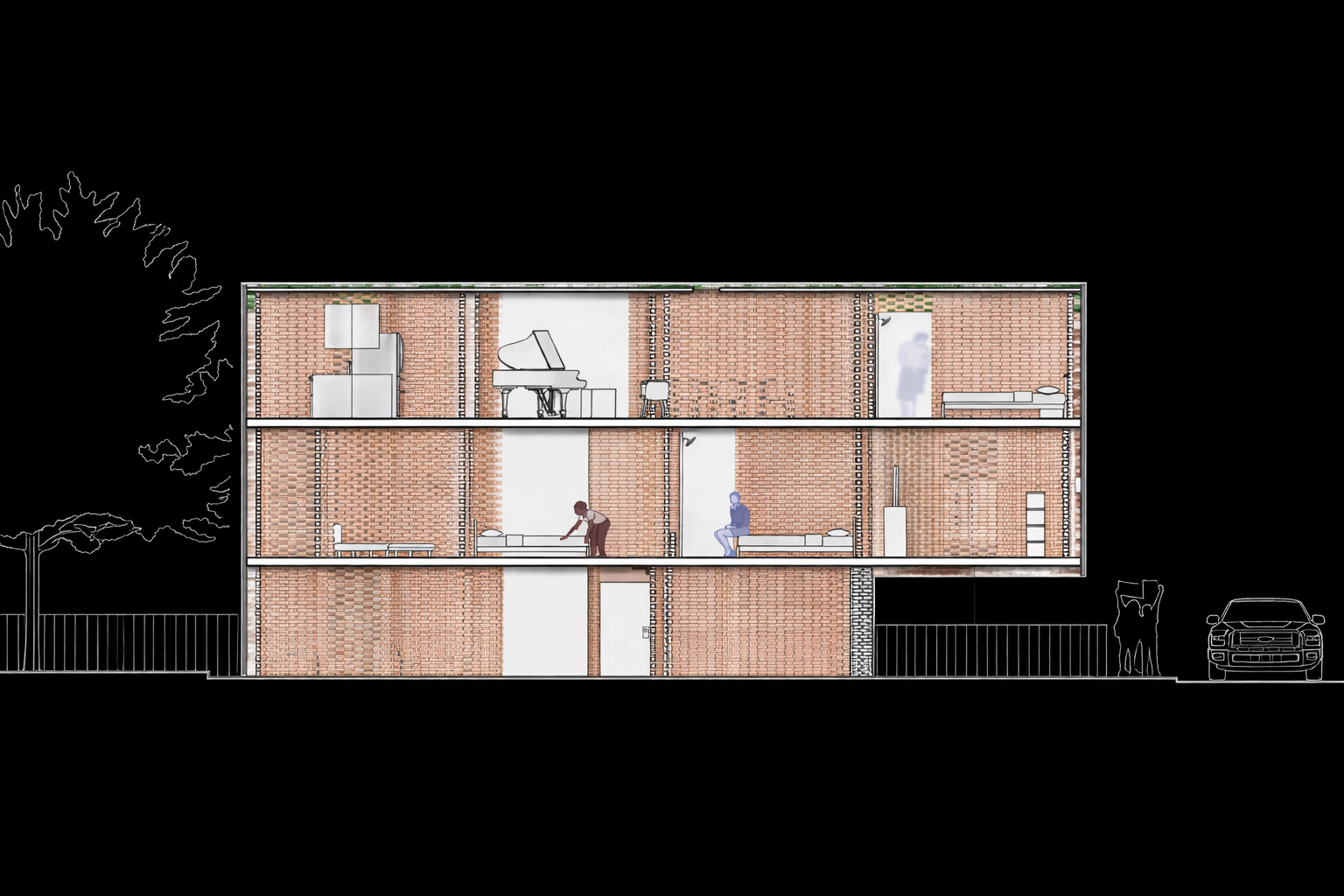
In section, the building reveals a vertical hierarchy. Allowing the luxury units above and around the core to look down into the central family's private life
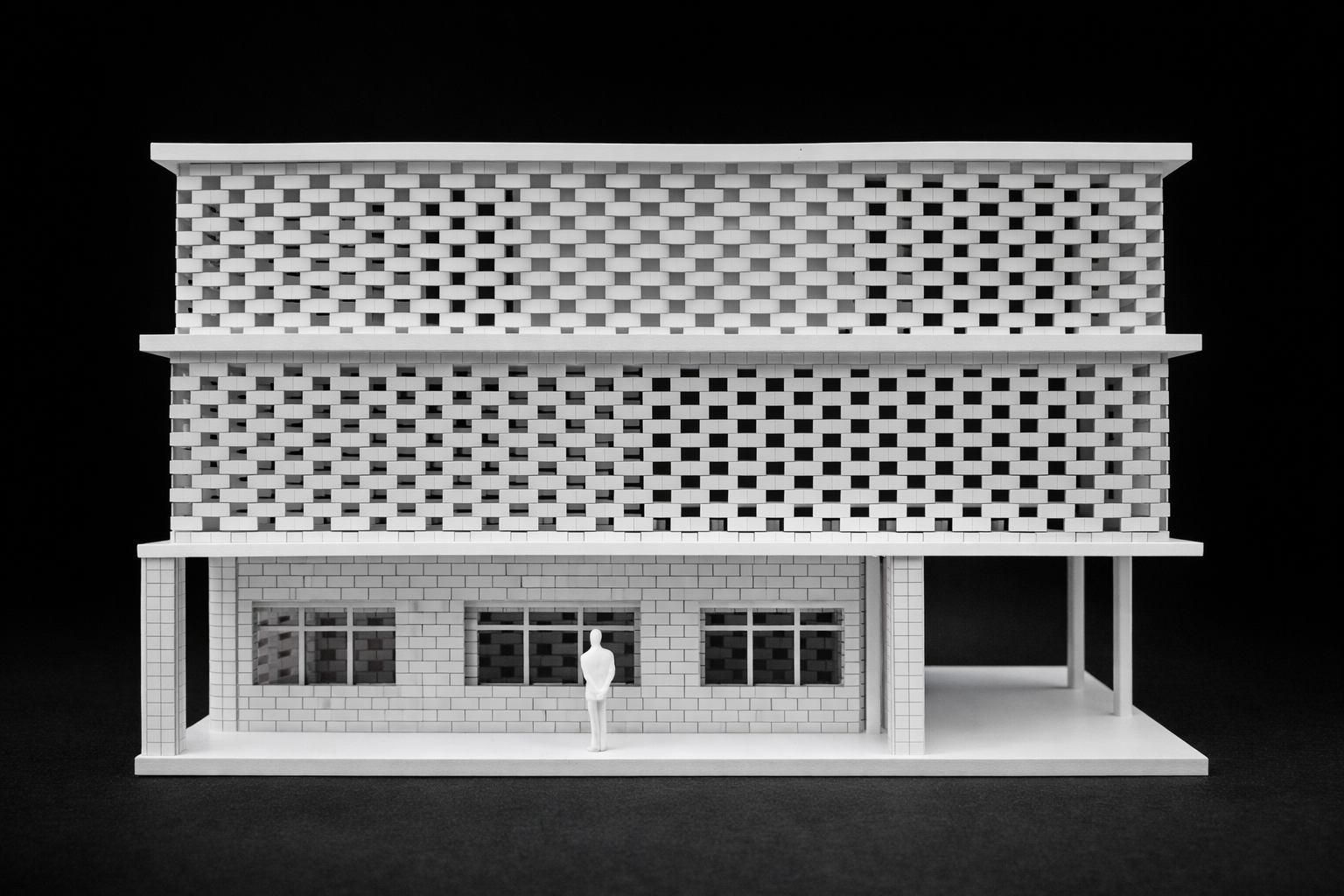
By applying intricate craftsmanship to mundane materials, the project brings the 'high peasant' philosophy to life—elevating the raw and basic to luxury
Black Utopia
The Ohio State University Honors Studio / Ashley Bigham / Partner: Victoria Miller
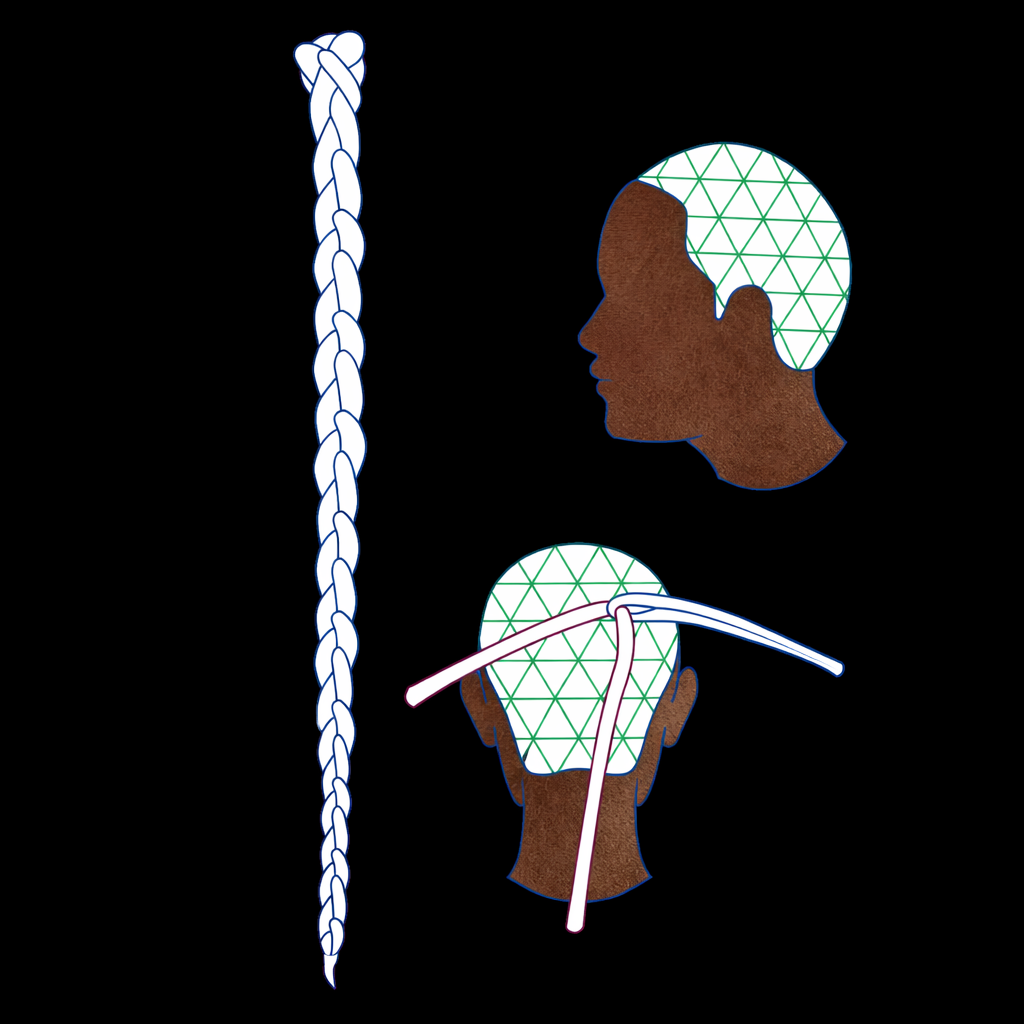
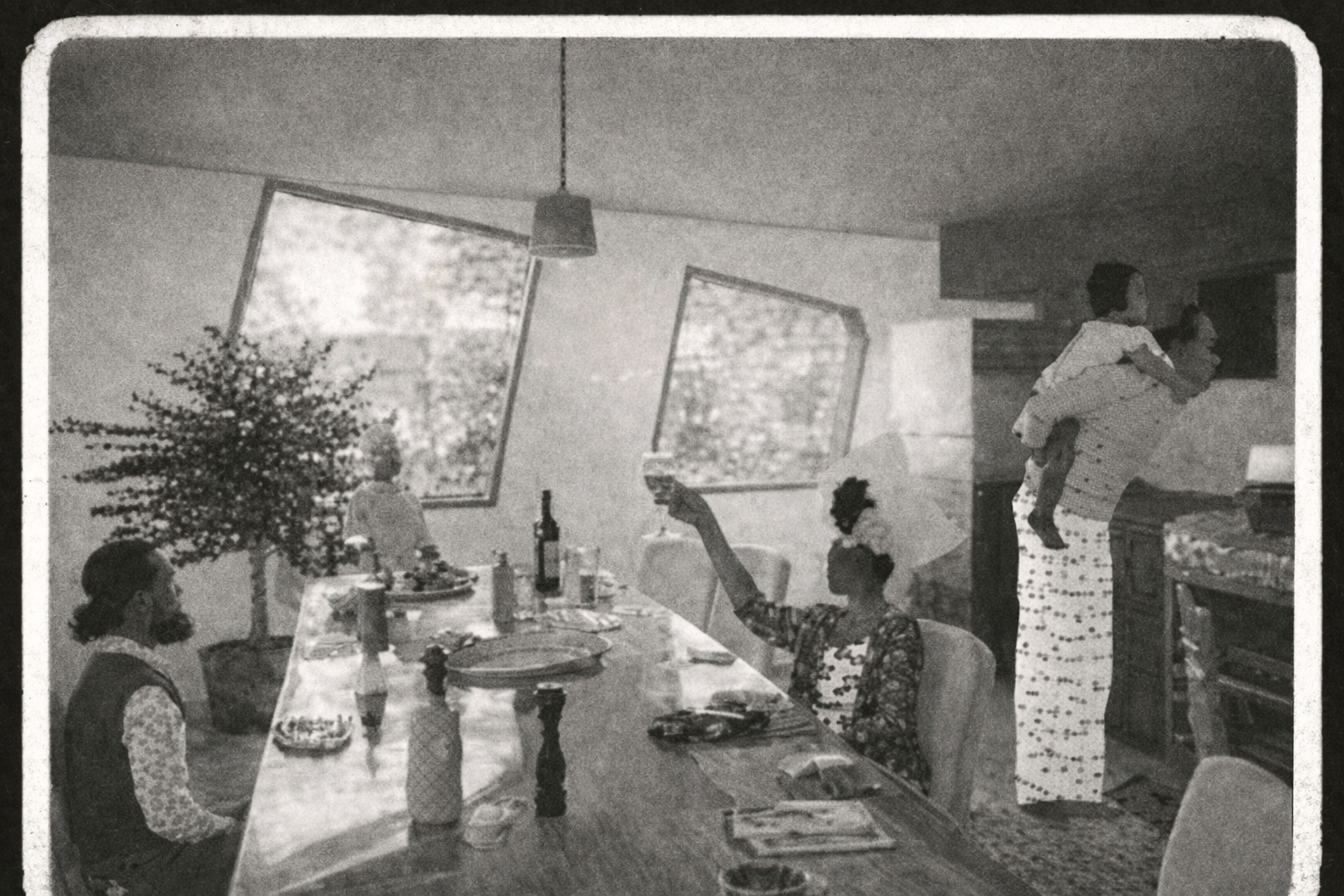
the "Utopia" is rooted in the iconography of Black culture. We used the Box Braid as a structural blueprint, translating its signature "parting and weaving" into the building’s layout
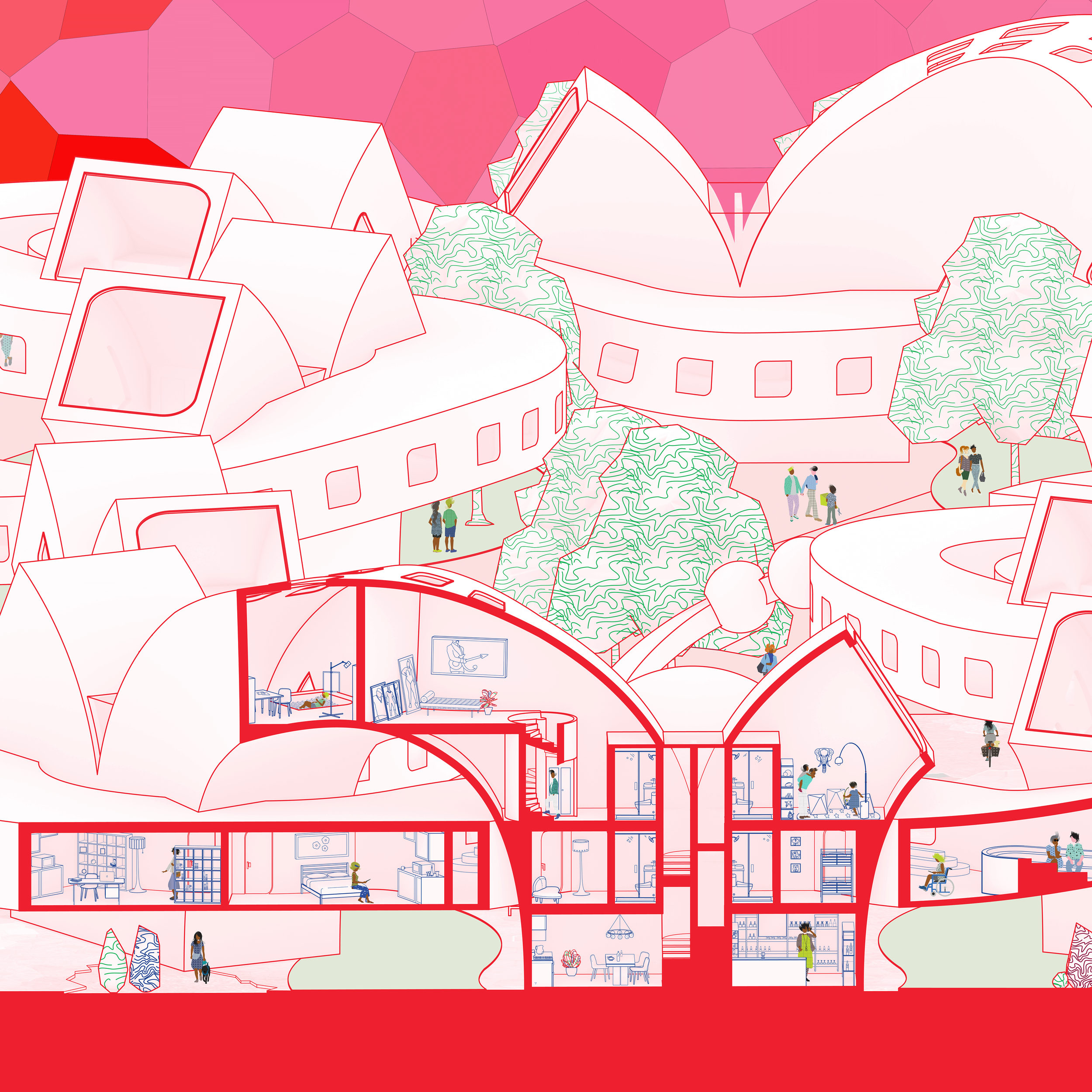
The density shown in this section isn't just about saving space; it automatically fosters a sense of community and mutual care
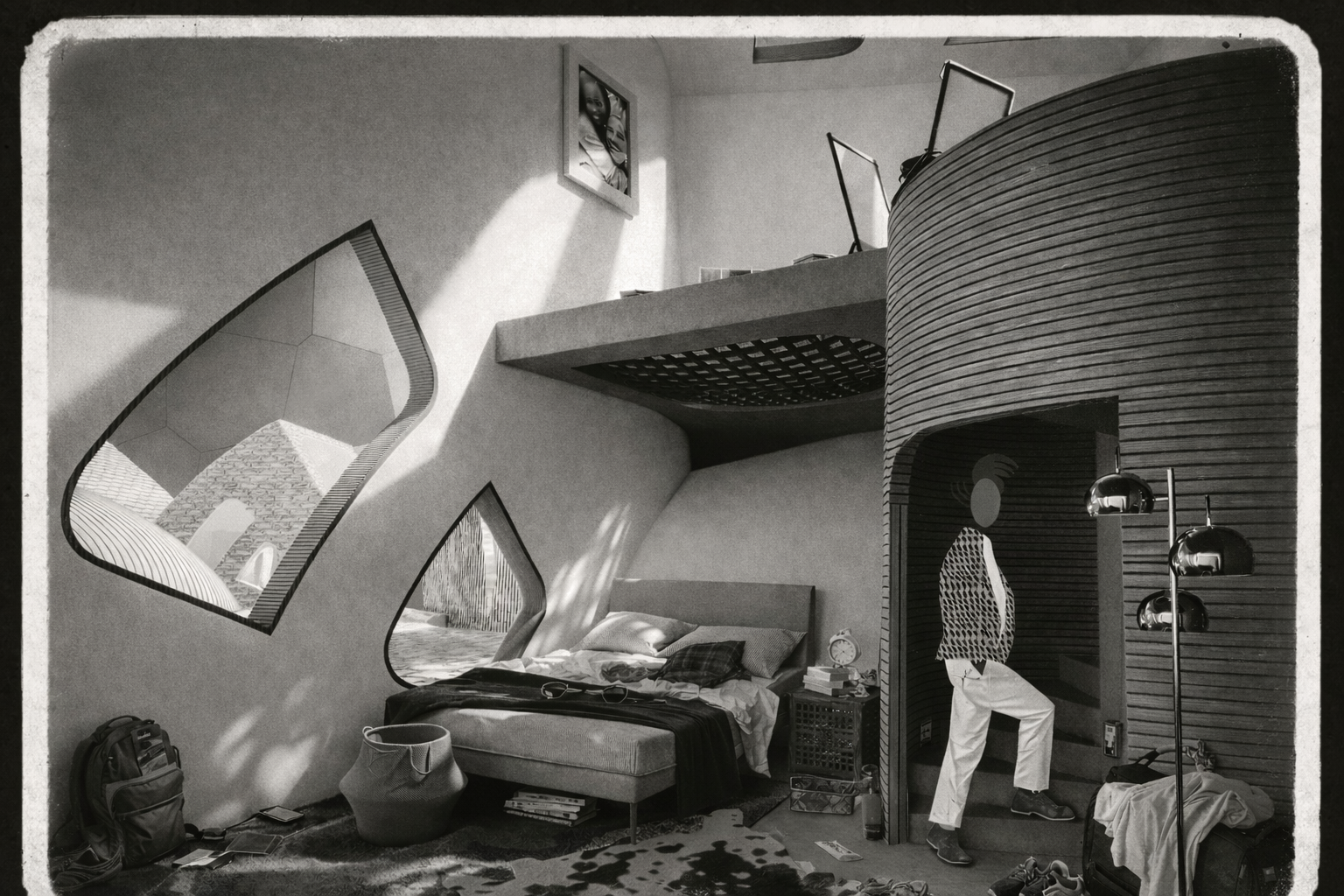
Our objective is to highlight and integrate the distinct characteristics of the Black American identity into the existing suburban landscape

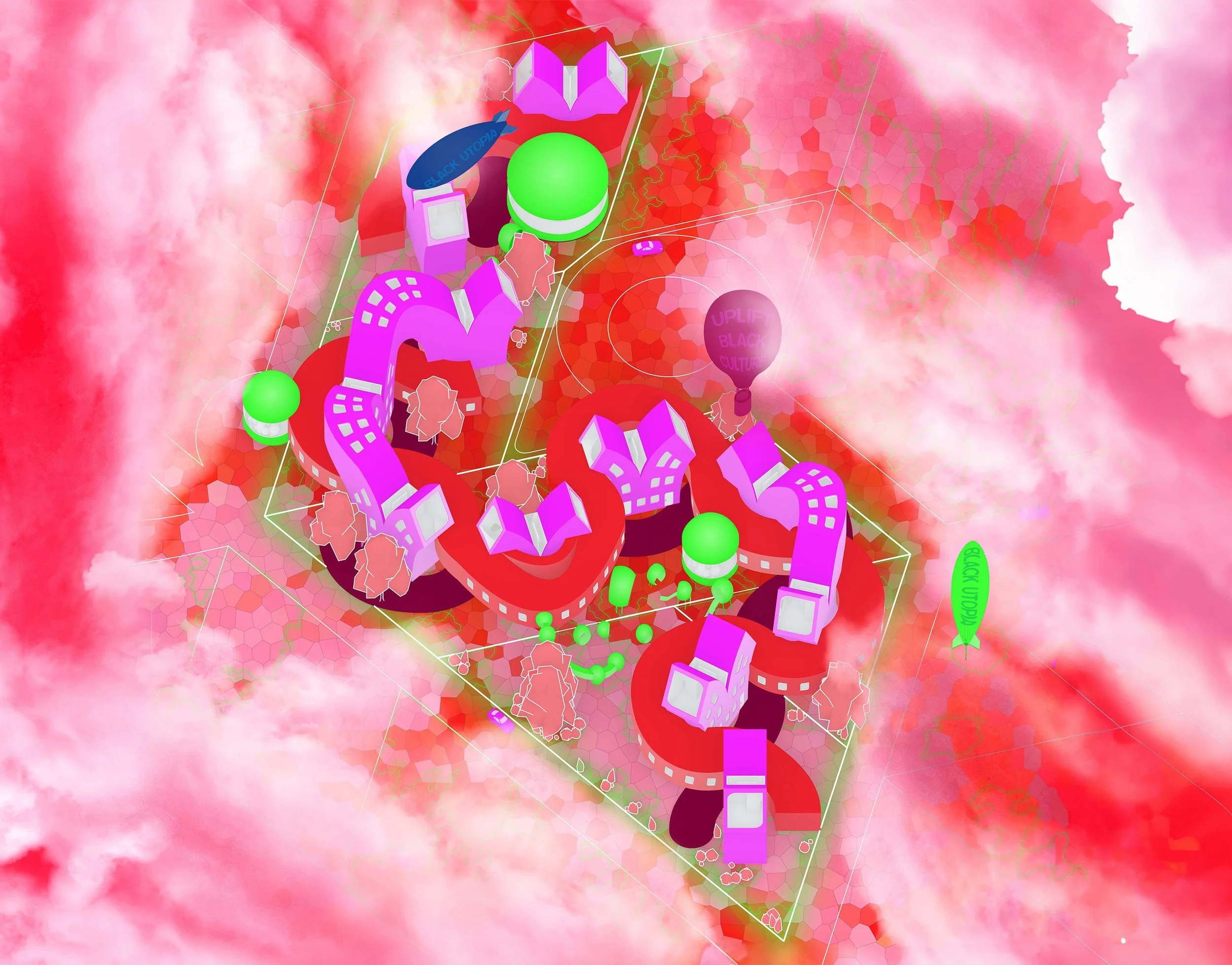
"This model shows the project as a flexible system of pieces that can be rearranged, mimicking the 'weaving' of the box braid concept
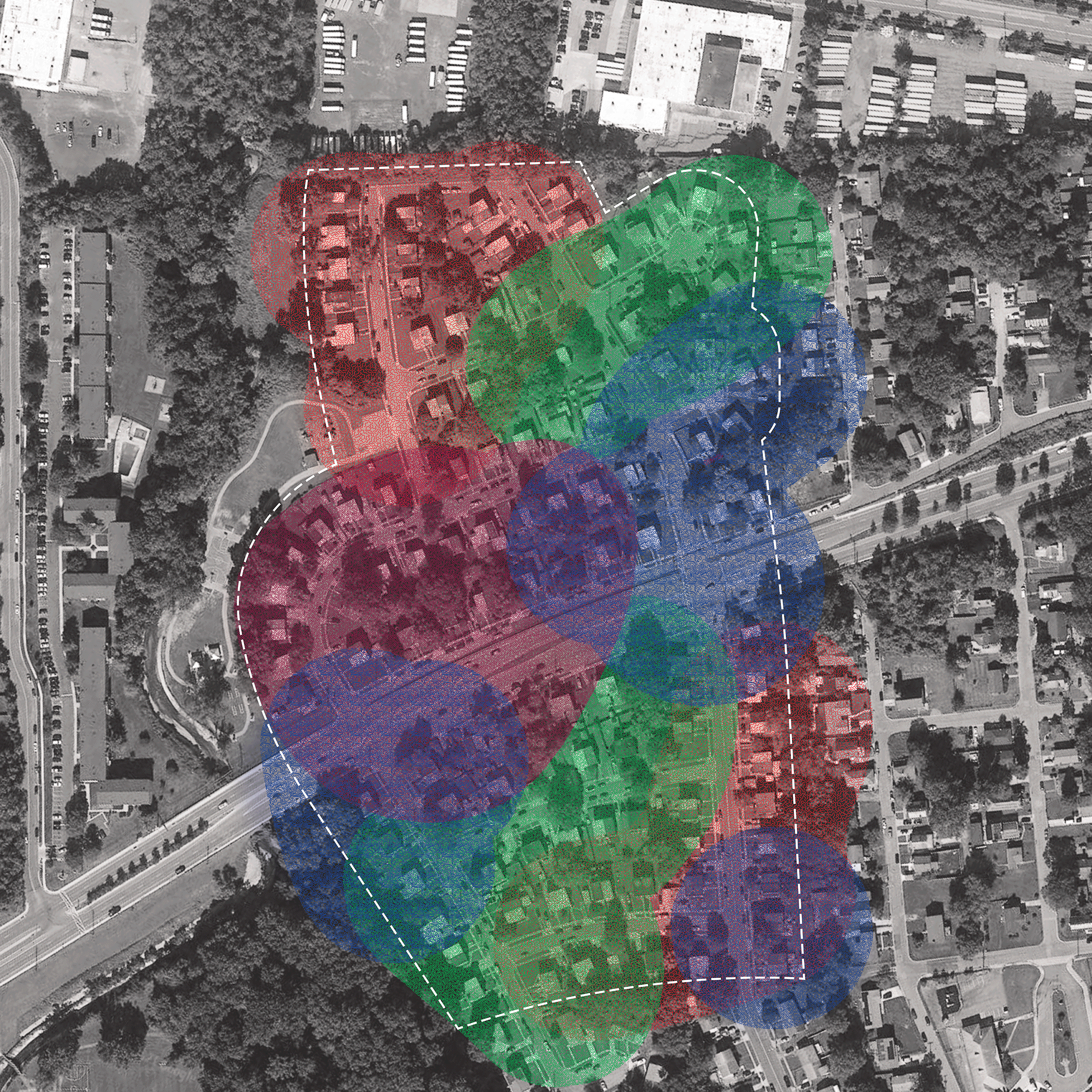
The dotted lines show the Booker T. Homes neighborhood in Landover, Maryland, our residence
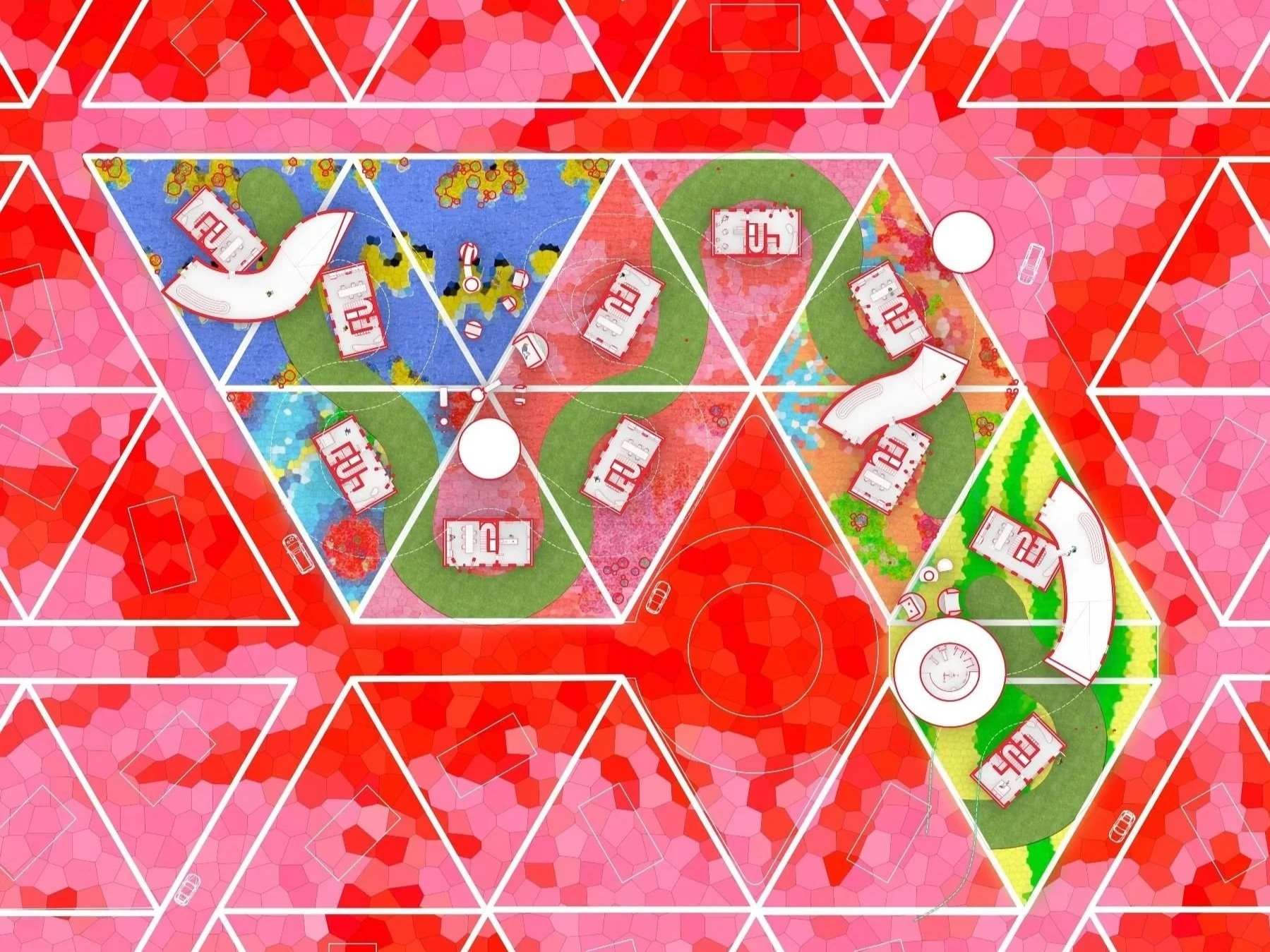
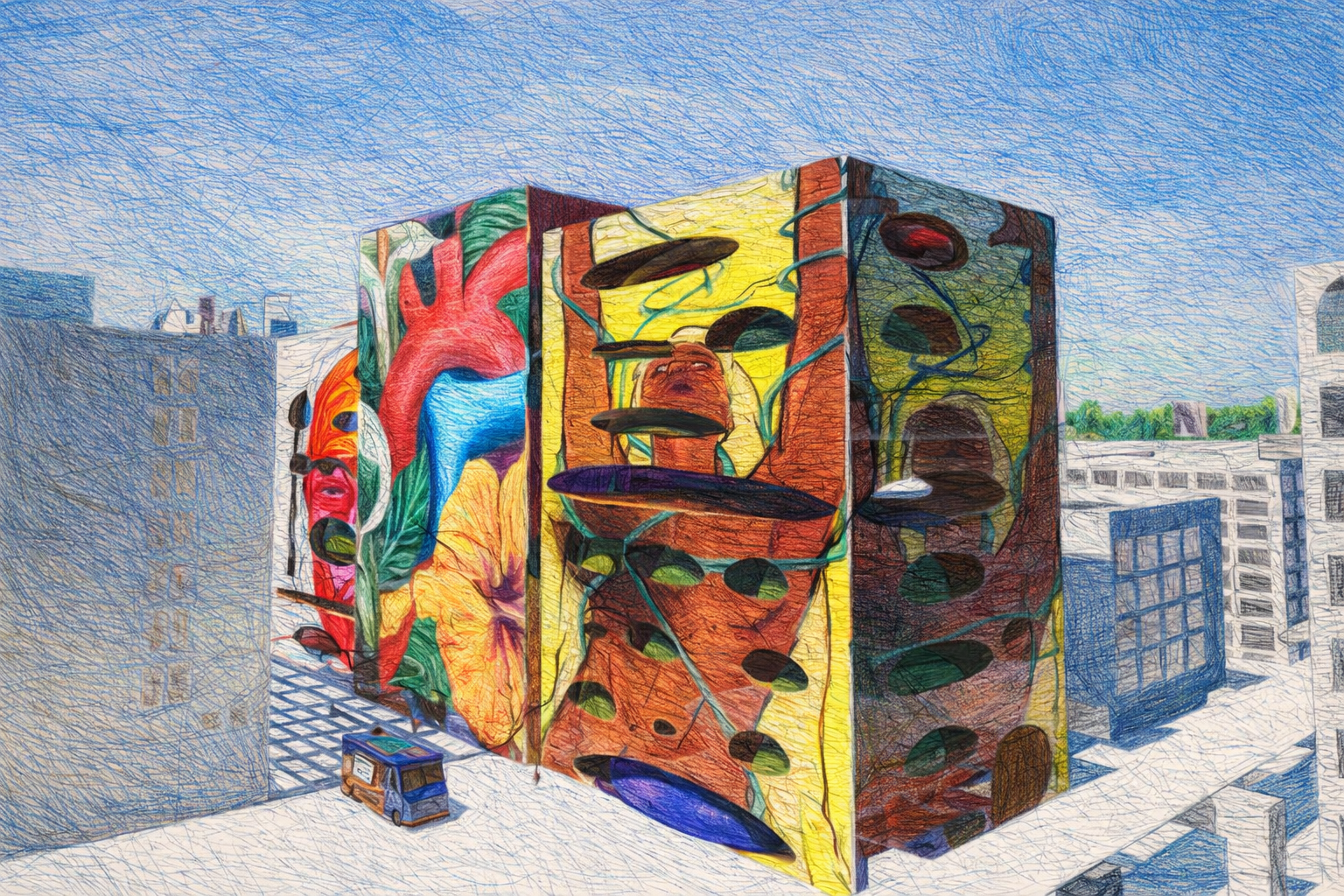
Tiling mosaic grounds the project, referencing iconic Black artists like Derrick Adams and Mowalola to engulf the community in a field of color and inspiration
The Soul Building
The Ohio State University / Marta Novak
"'The Soul Building' honors Black American heritage, blending flexible architectural design with a homage to the culinary traditions of Soul Food
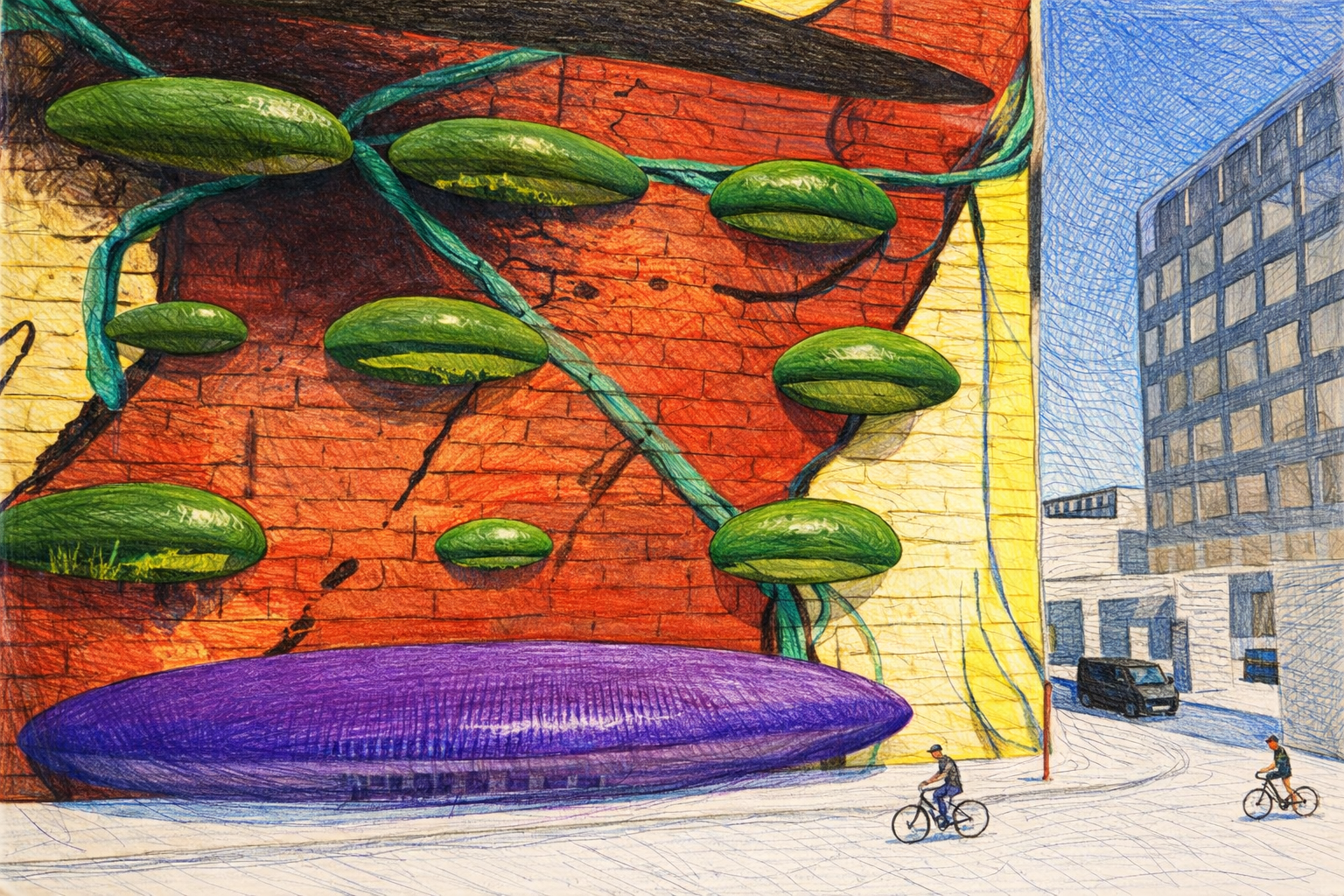
The project addresses several interconnected themes: food sovereignty, the impact of systemic racism on food access, and the link between food, power, and justice
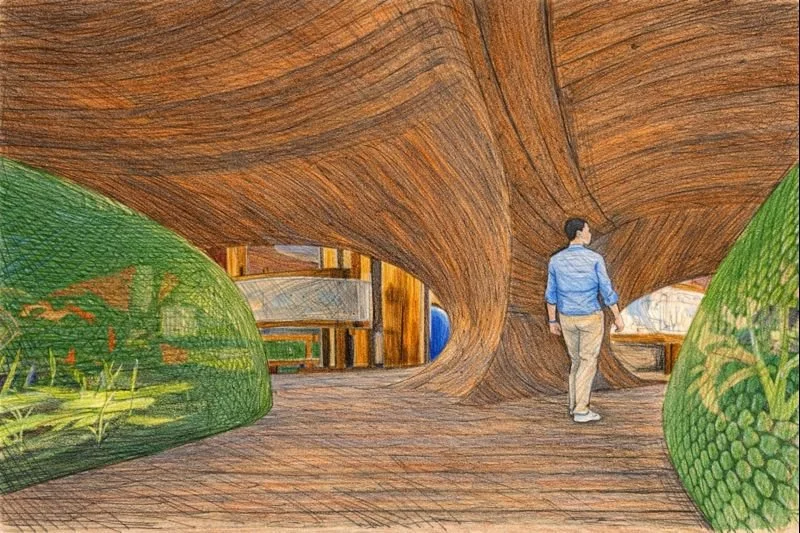
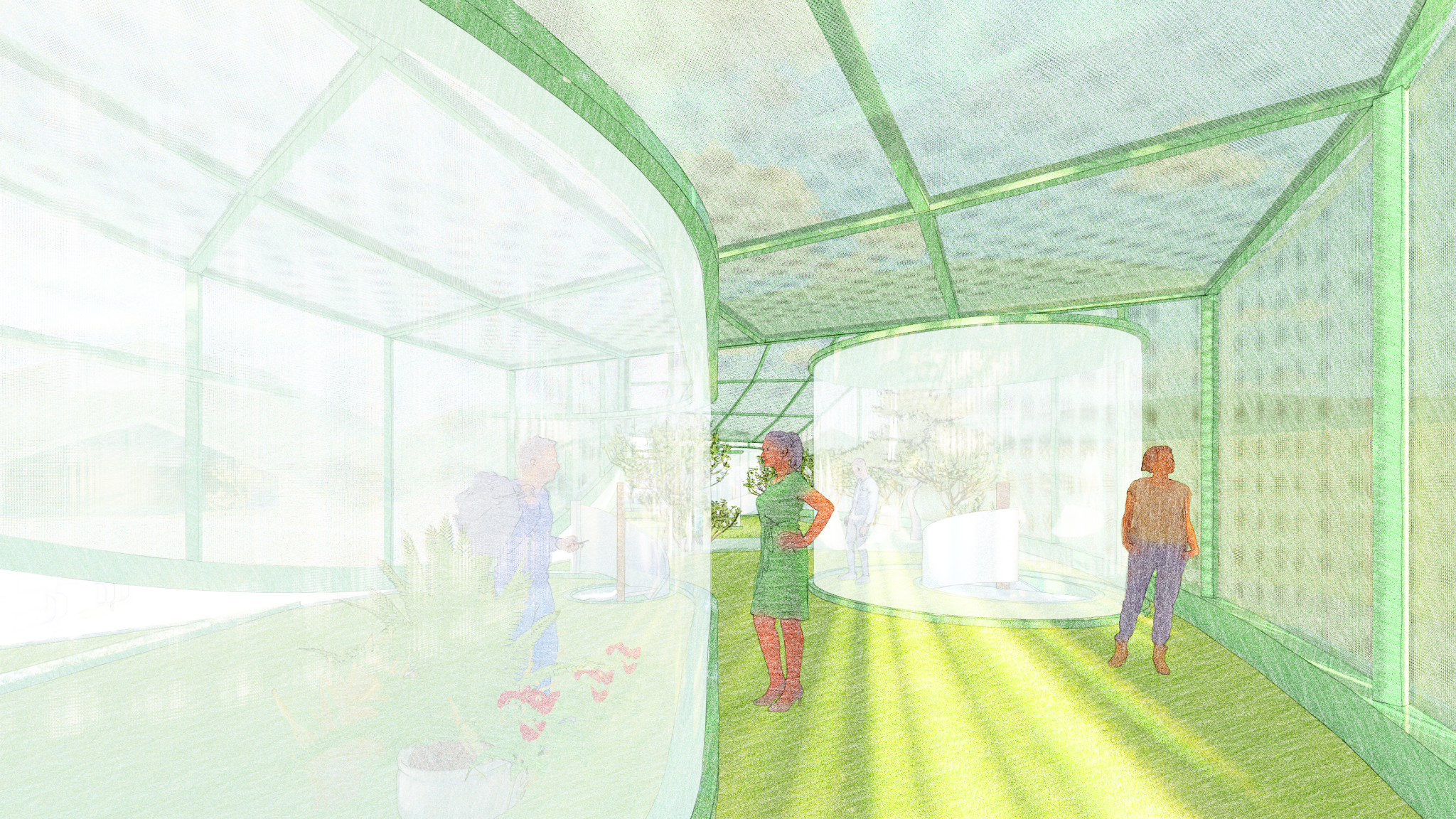
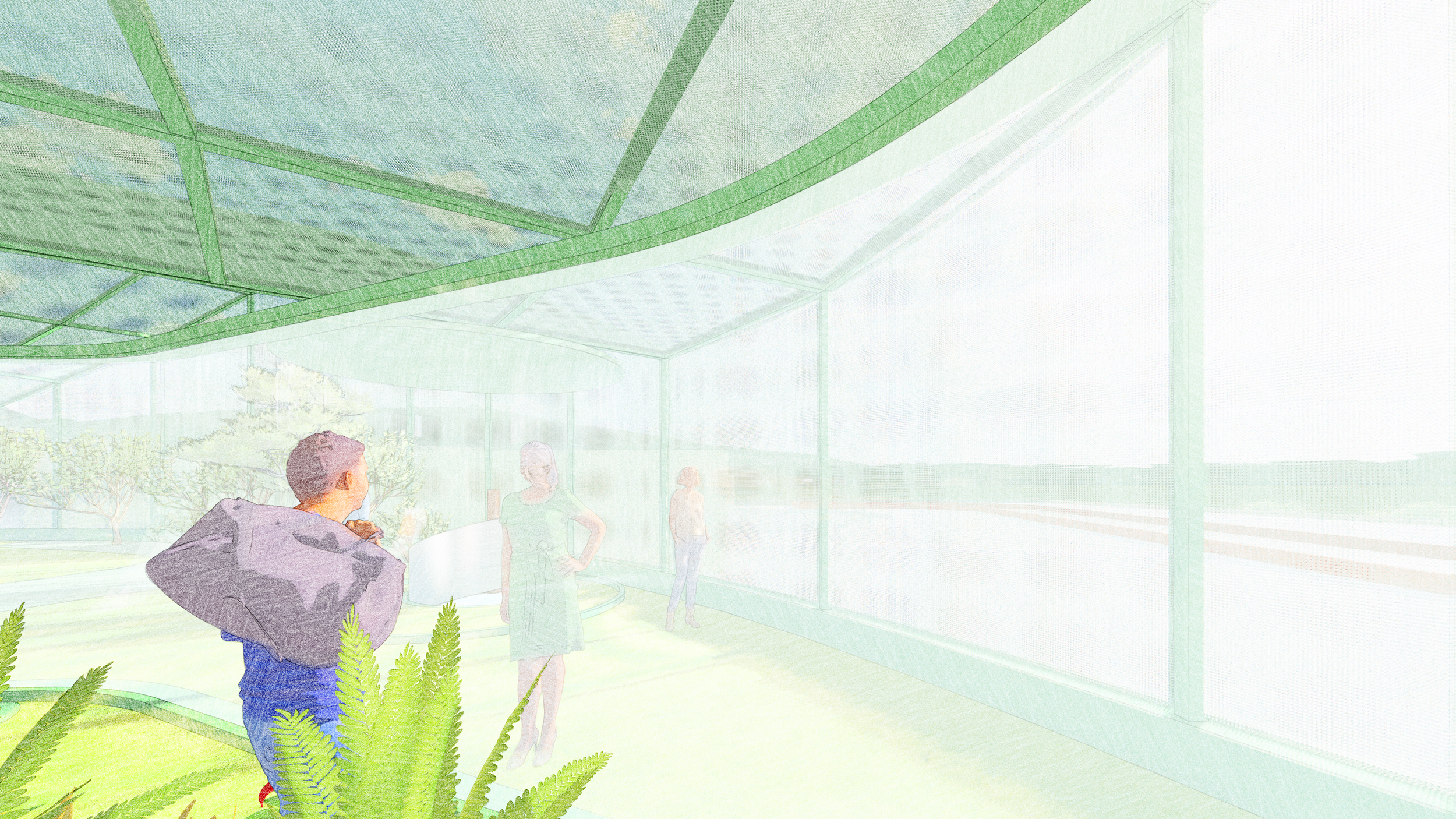
The architecture is a living narrative. It includes greenhouses for on-site food production, spaces for storytelling through monthly culinary collaborations, and a restaurant/bar to fund meal donations to impoverished communities
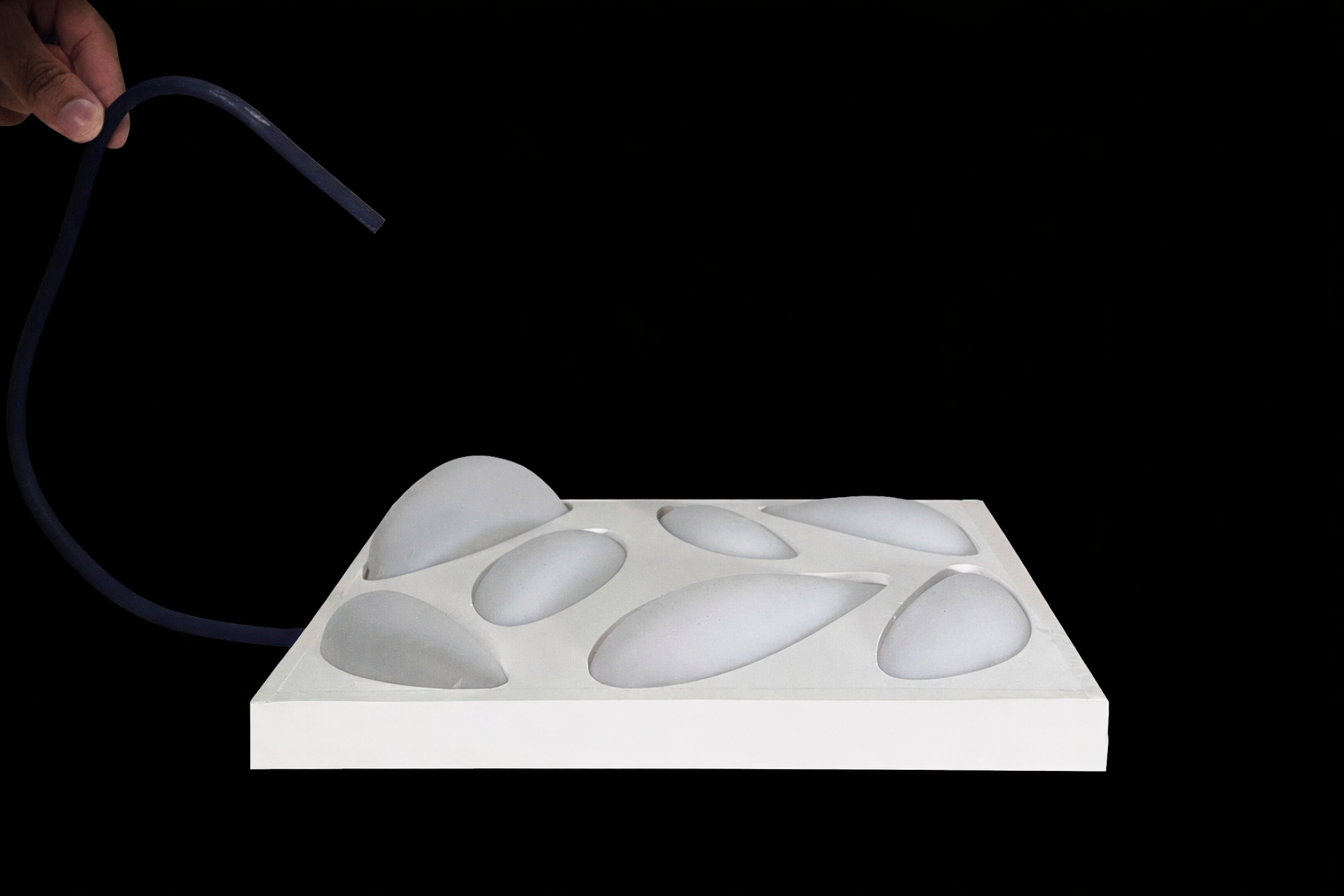
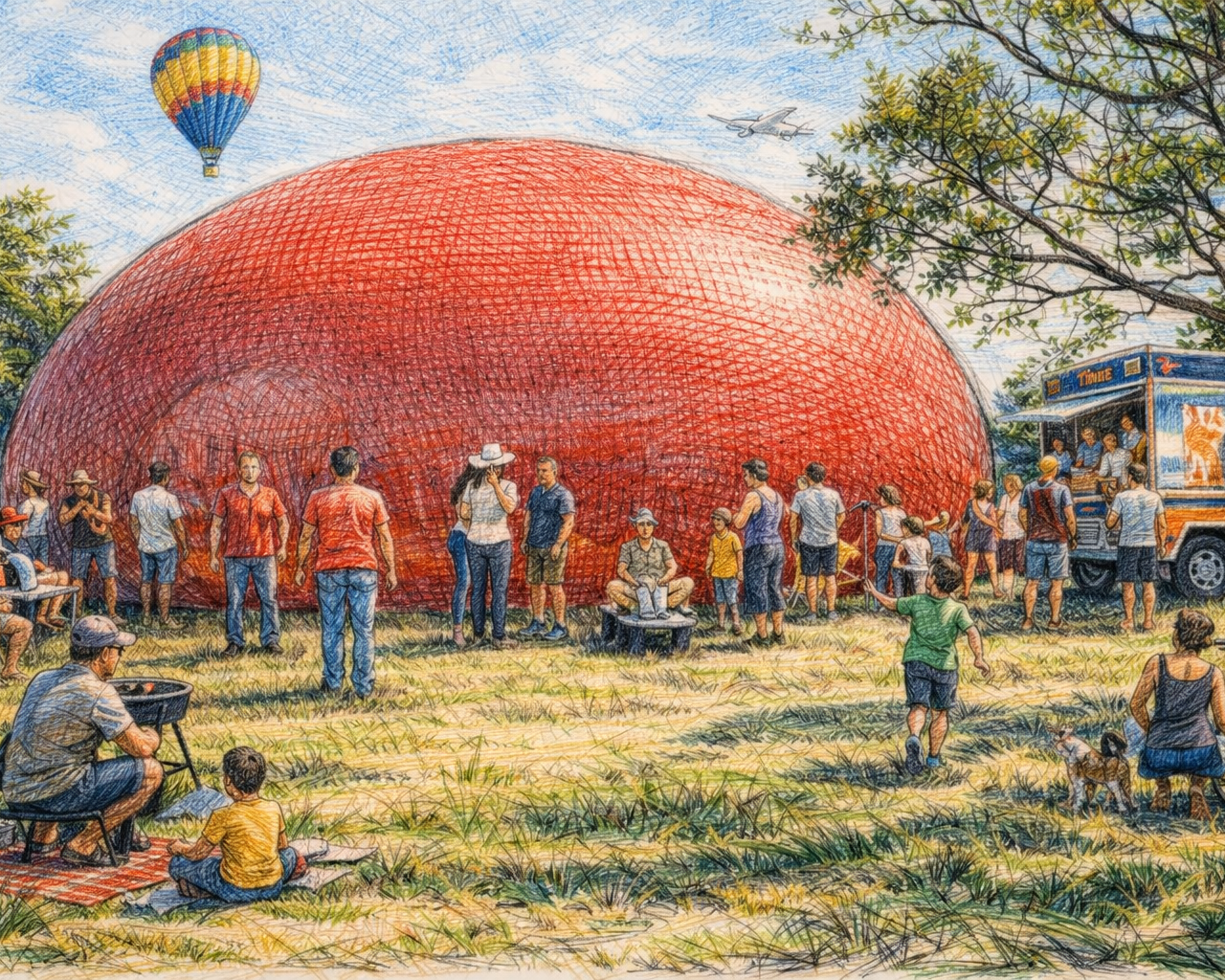
The building's design incorporates inflatables that adjust in size based on specific needs, reflecting a commitment to resource-efficient and responsive architecture
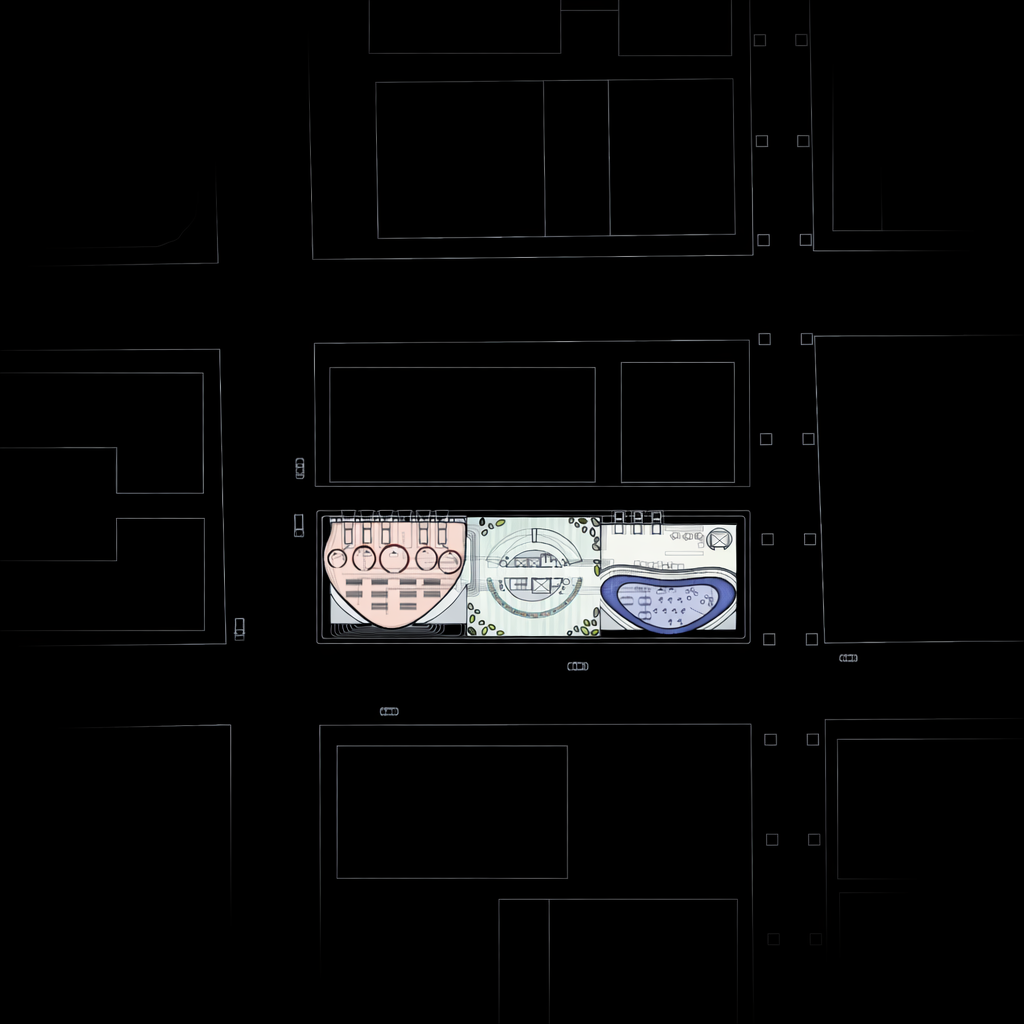
The Soul Building's mission is twofold: to foster diverse economic and cultural networks within a food ecosystem that tells a story, and to implement an adaptable architecture responsive to diverse needs
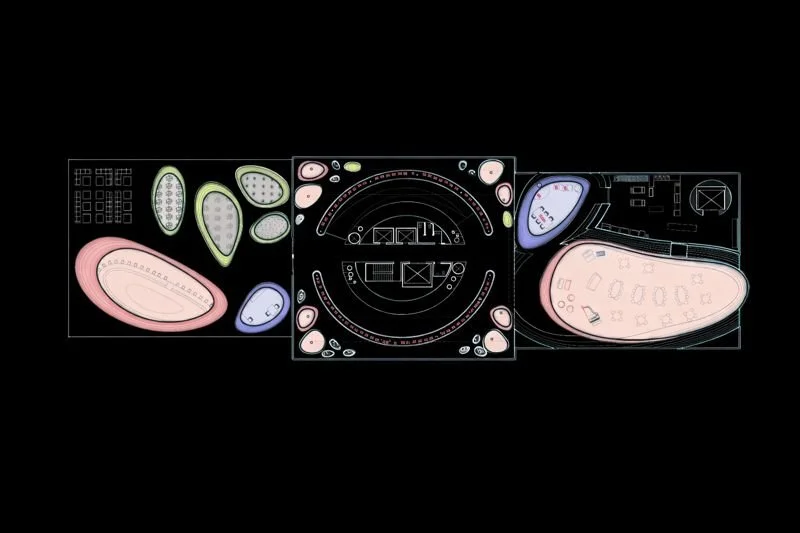
The building employs a resourceful approach to space utilization, using inflation technology to adapt spaces for various purposes, from plant growth to community gatherings
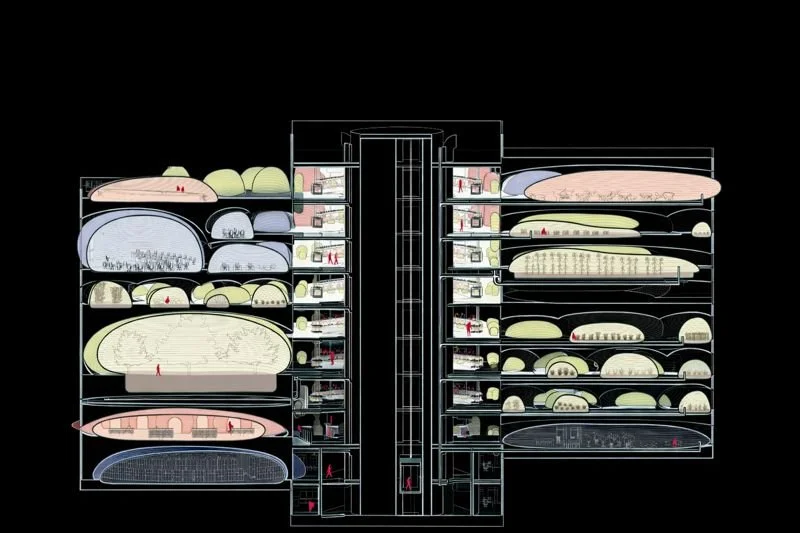
The building’s open center spine echoes the closeness of the community, creating a vertical heart where vistors feel connected
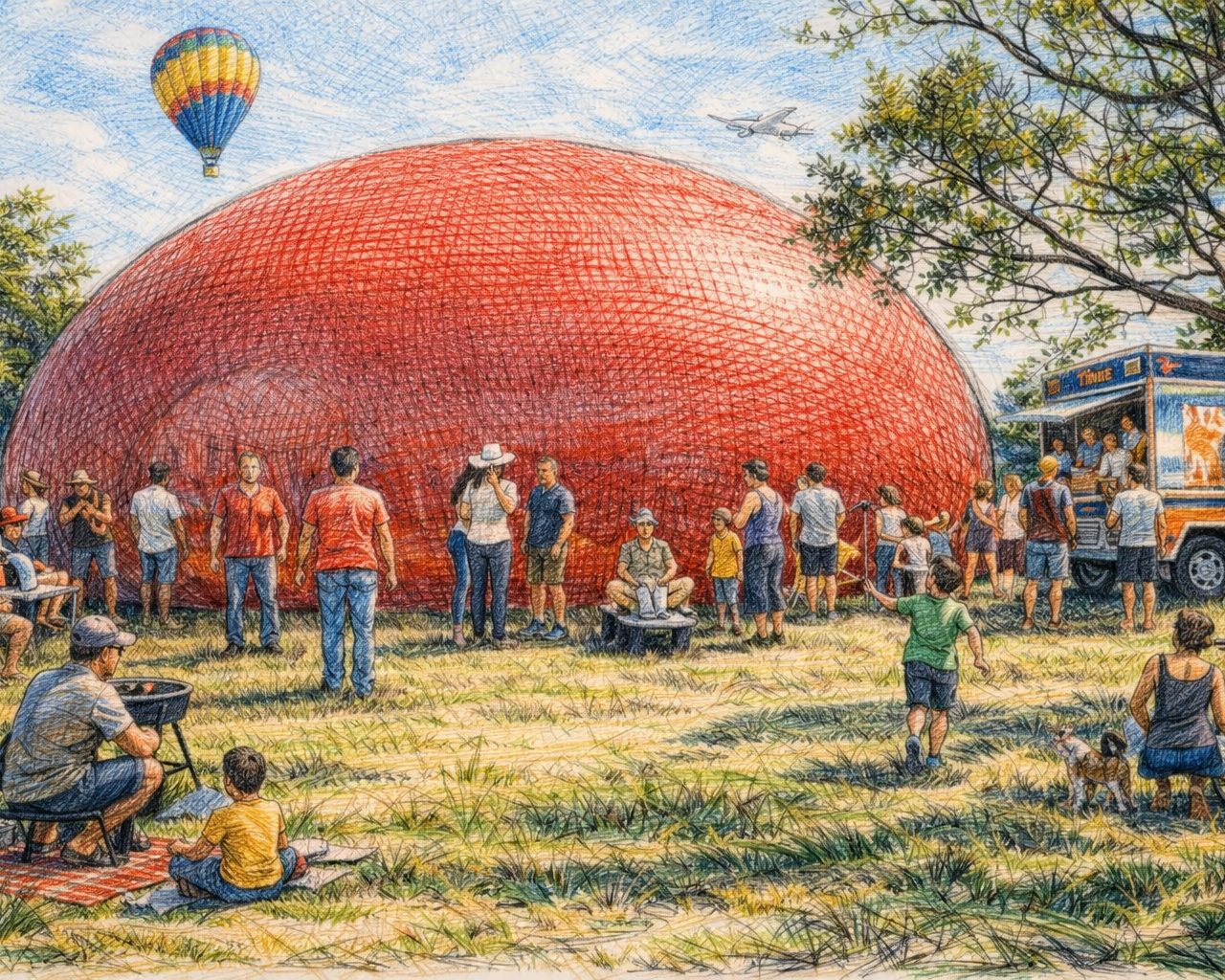
The Soul Building is not just a physical structure but a dynamic ecosystem intertwining food, culture, and community
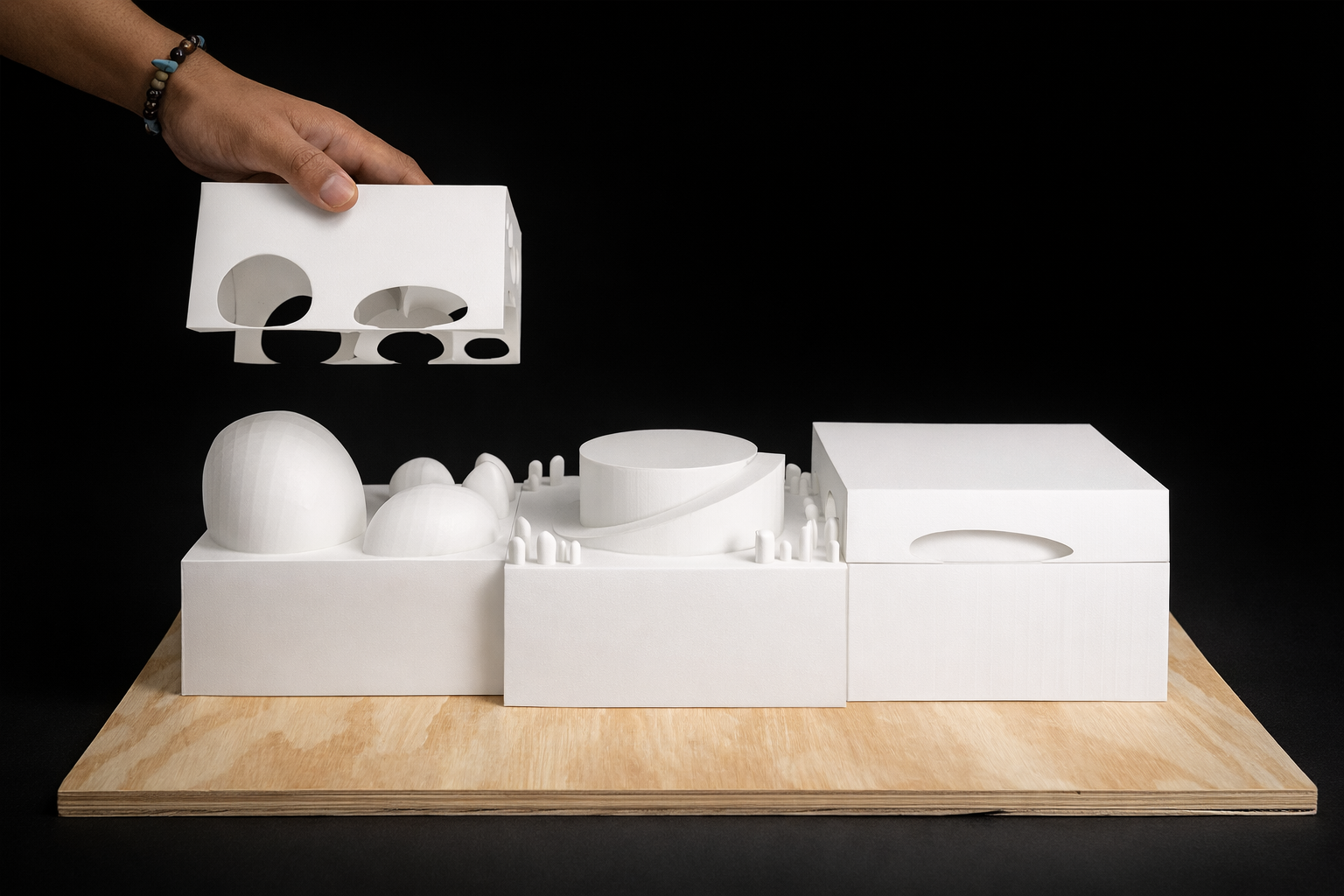
Three large architectural shells form the structure, acting as caverns that contain the project’s adaptable inflatable spaces.
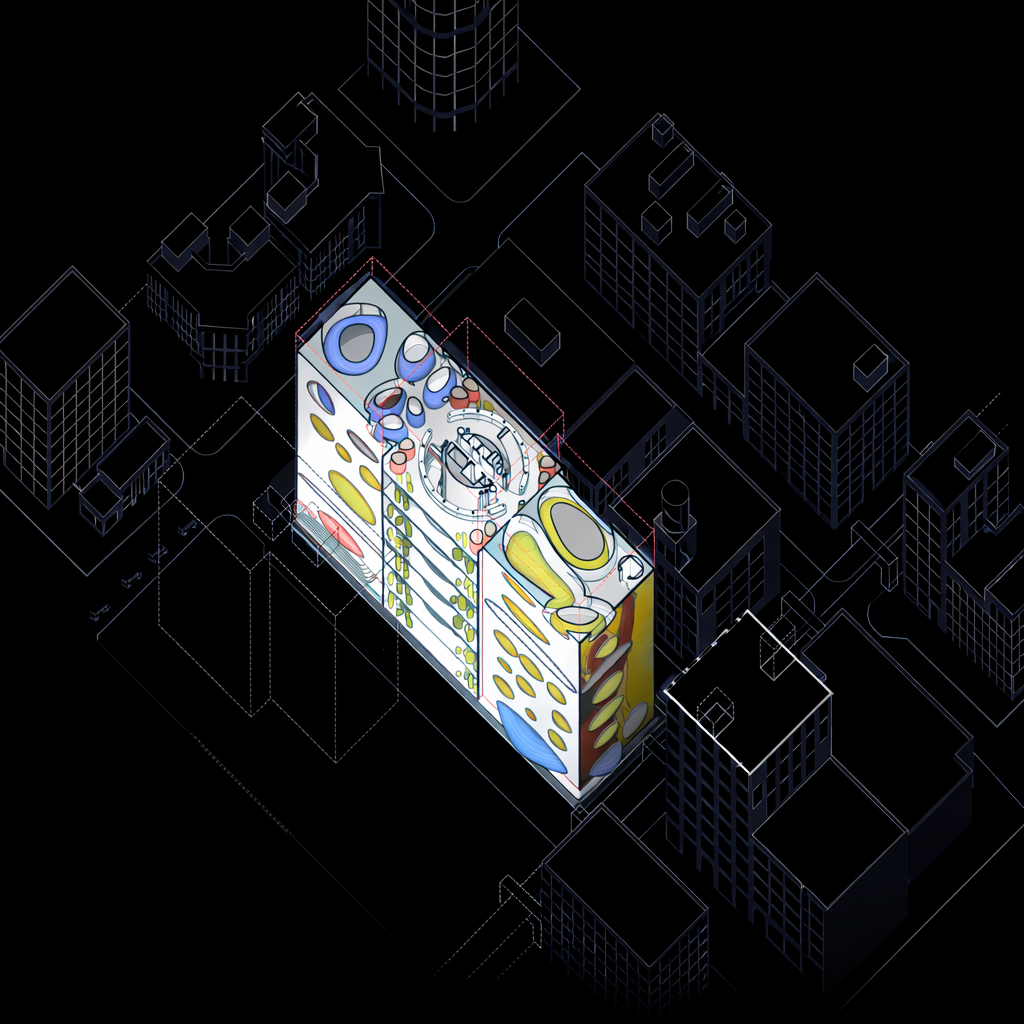
The project aims to celebrate and nurture this heritage by cultivating plants integral to the Black American diet, like cabbage for collard greens and okra for jambalaya
Blob Vs Grid Tower
The Ohio State University Columbus Tower Studio / Galen Pardee
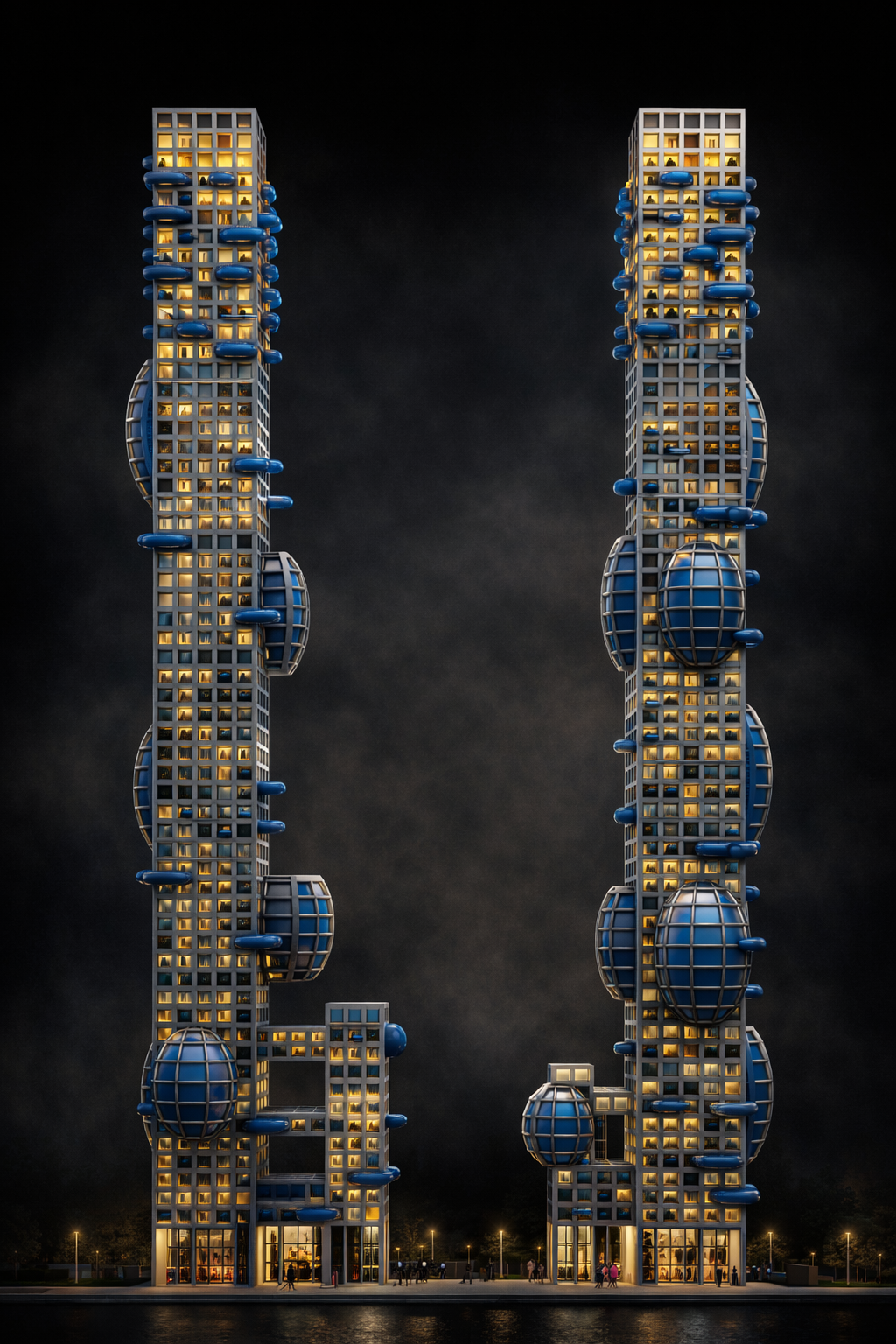
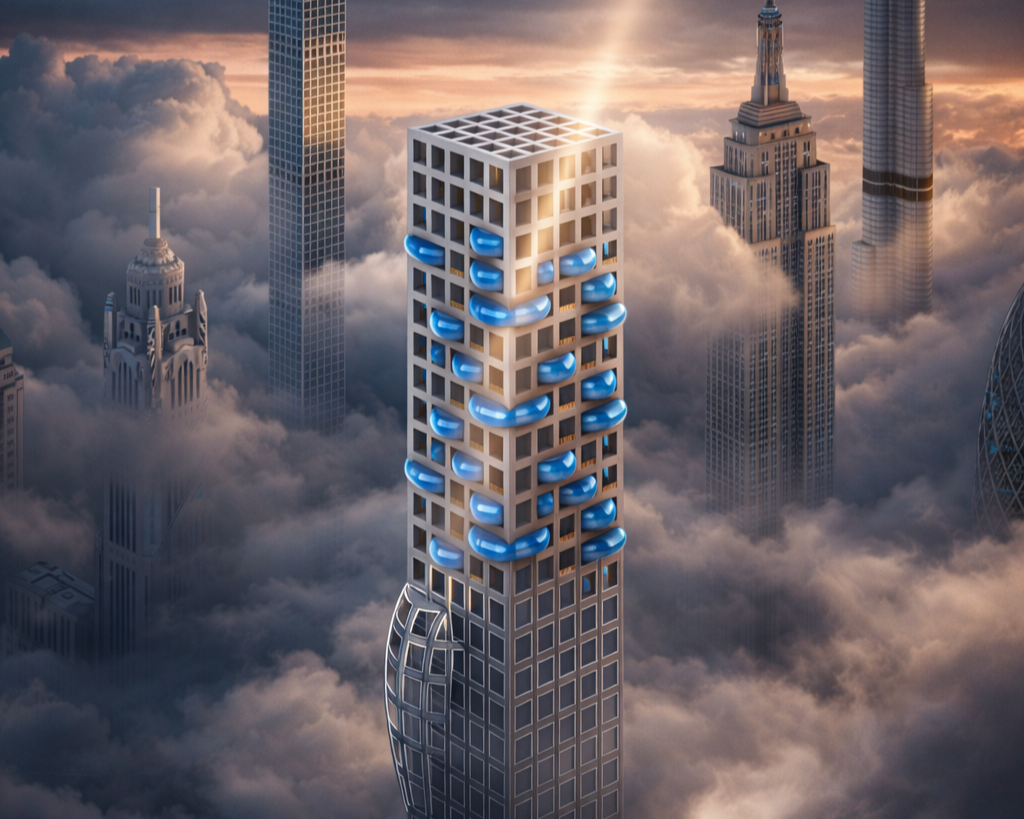
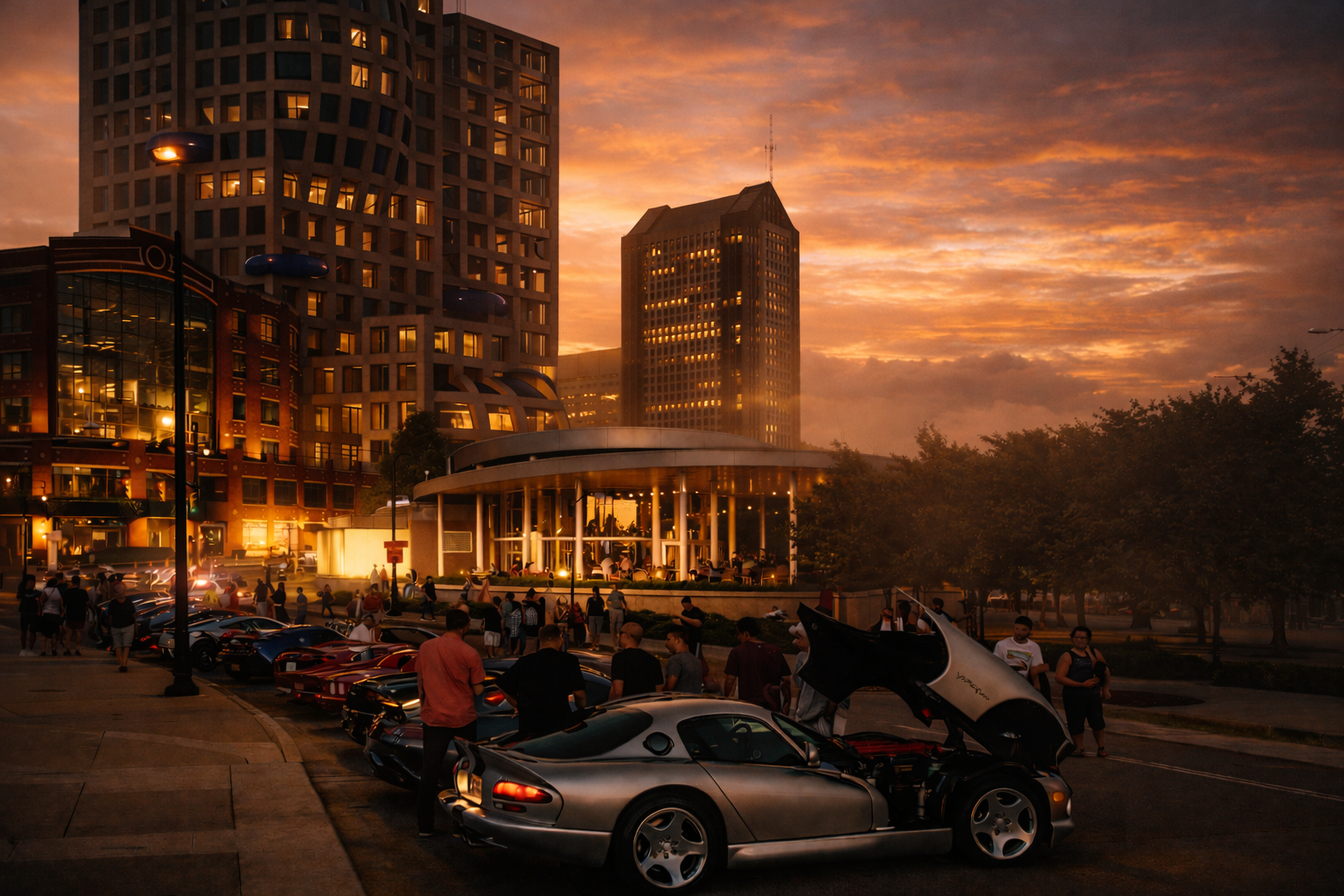
Fascinated by the repetition of high-rise grids, I chose to break their rigidity. I introduced organic distortions to the structure
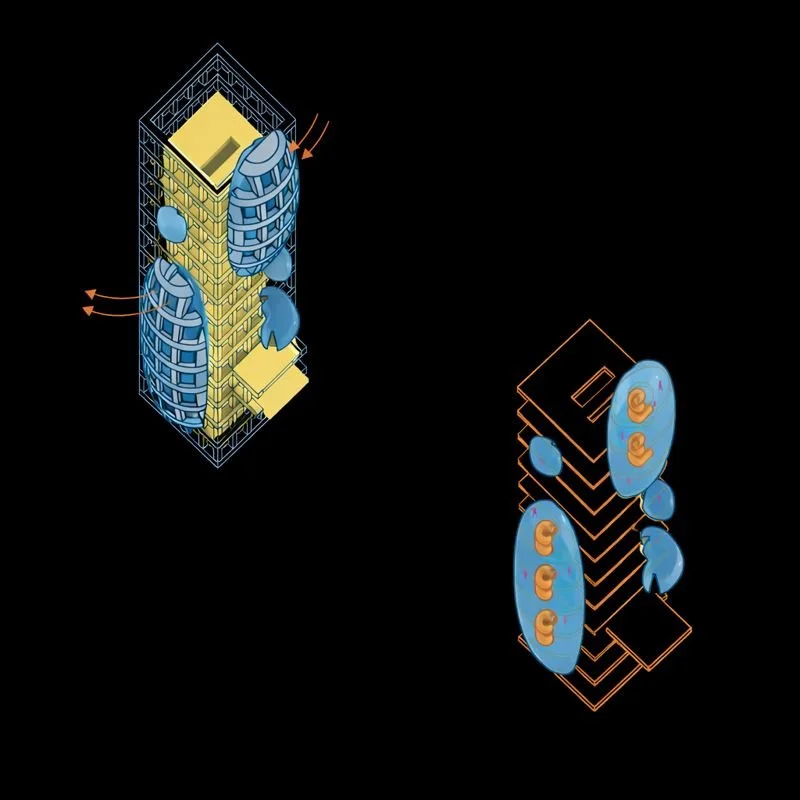
Interrupting the grid, these fluid volumes create passive ventilation for natural climate control. Wrapped in bright orange cladding, these spaces are designed to stimulate energy and creativity
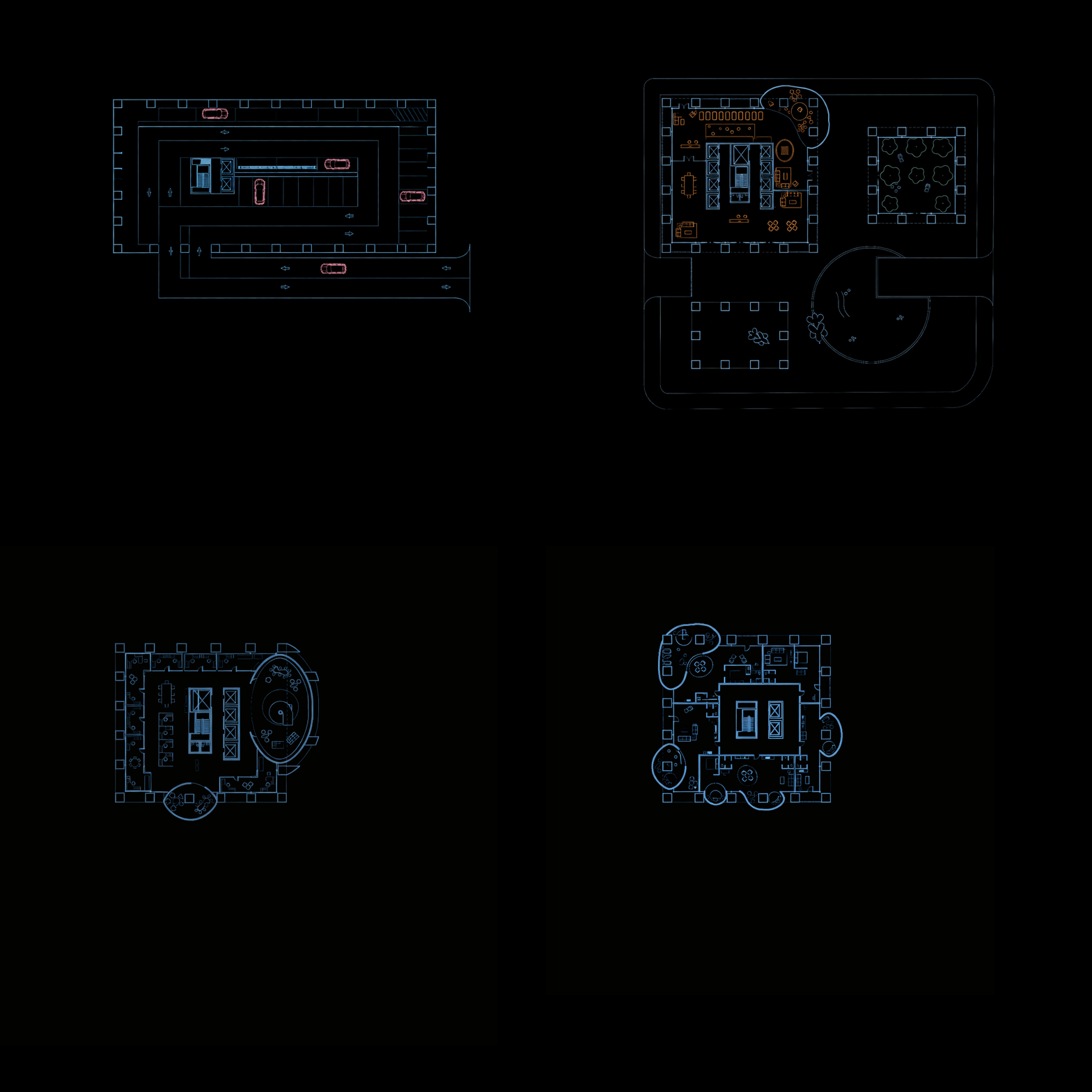
The building starts as three slim towers that meet the city, then rises into a single dominant tower above them, a point towards Columbus's future
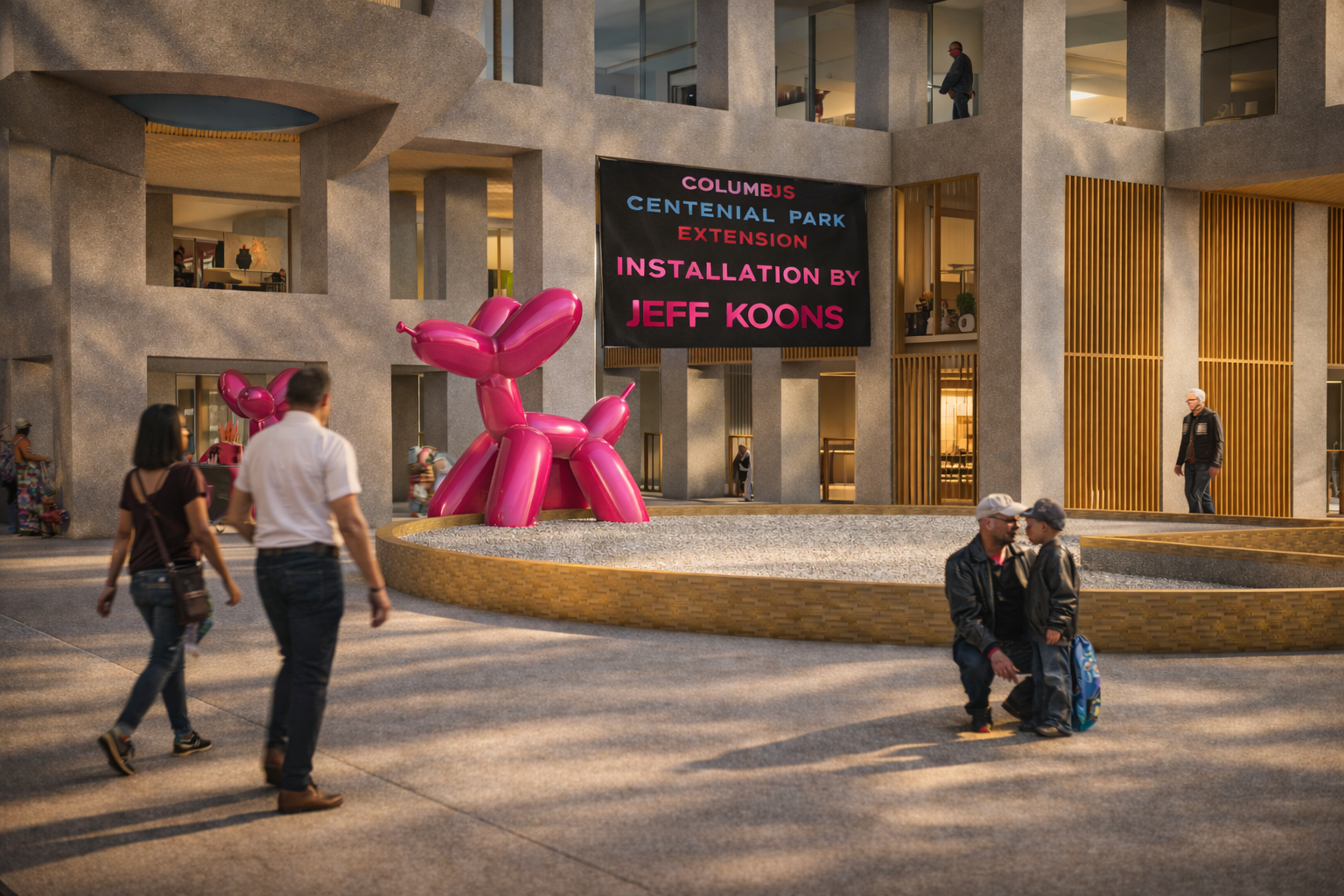
To materialize this vision, I developed an algorithm to produce inflated forms within a grid, manipulating air pressure to create an interplay of shapes influenced by and influencing the grid